The New Digital Border Wall: How America’s Latest Entry Rules Threaten Privacy, Speech, and Tourism
- TDS News
- U.S.A
- December 11, 2025
By: Donovan Martin Sr, Editor in Chief
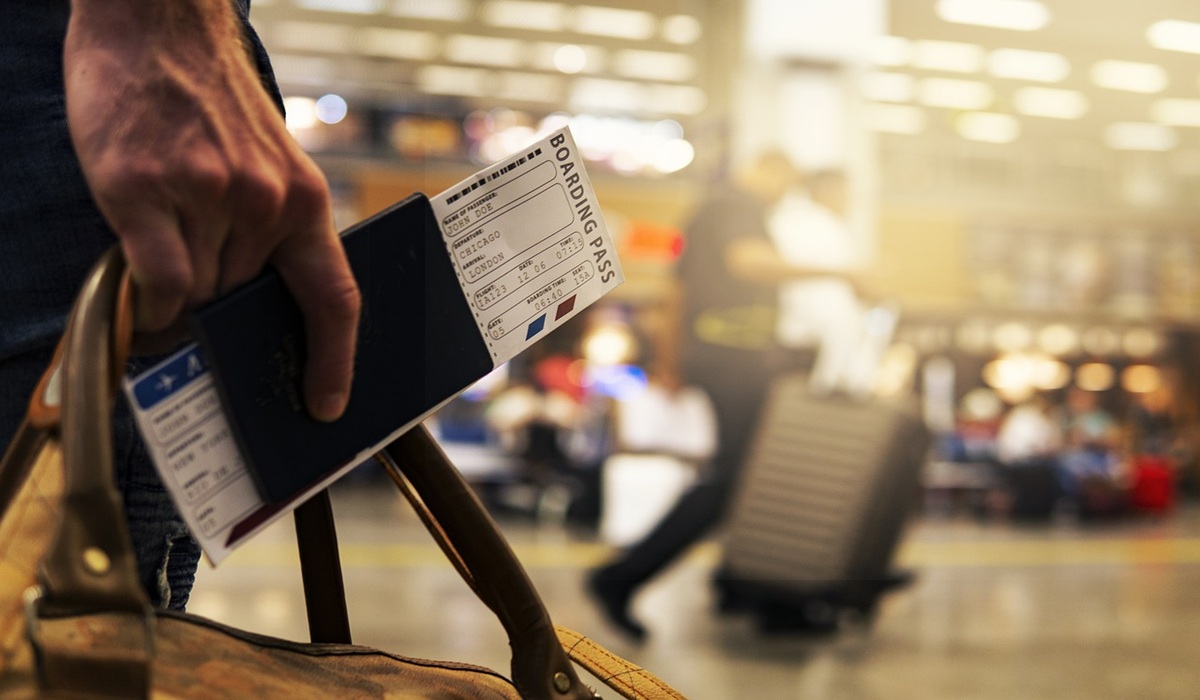
Image Credit: Joshua Woroniecki
The Trump administration’s push to require non-visa travellers to surrender up to five years of their digital history marks one of the most sweeping shifts in U.S. border policy in modern times. This is not a minor update to paperwork or a simple tightening of security. It is a demand for the intimate details of people’s lives: their social media handles across every platform they have touched in half a decade, their old email addresses, their past phone numbers, and in some cases the contact information of family and friends. For travellers coming from countries that have never before needed a visa, this feels unprecedented. It signals that the United States is no longer content to know who you are today; it wants to know who you were, who you spoke to, and what you thought for years before you ever set foot on American soil.
Although officials frame this as a national security necessity, the scale and character of what is being asked reflects something deeper. Millions of travellers from long-trusted nations—people who have always been able to enter the U.S. with little more than a passport and an ESTA approval—now face an interrogation of their digital lives that goes far beyond anything previously expected. The question is not whether governments should screen for legitimate threats. Every nation has the right to keep out individuals who promote violence or support extremist groups. The real question is why such a broad net is being cast, and why it is being cast now.
The context makes the policy especially troubling. The Trump administration has spent years criticising journalists, foreign leaders, and even allied nations for views that do not align with its own positions. When a government that treats dissent as disloyalty demands access to five years of social media activity from foreign visitors, the implication is unavoidable: political speech is now inseparable from border control. People who have engaged in ordinary democratic discourse—criticising U.S. actions abroad, questioning American military interventions, challenging foreign policy decisions, or commenting on crackdowns at home—may now wonder if a critical post could quietly bar them from entering the country. Almost every social media account on earth contains some form of critique of a government. That is the nature of free expression. Treating that as a potential liability at the border crosses into dangerous territory.
Even if you assume the best intentions, the practical risks are enormous. The sheer amount of data being collected creates a digital profile of extraordinary detail. Five years of posts, jokes, arguments, emotional outbursts, sarcasm, and half-forgotten comments can be taken out of context, misread by algorithms, or misinterpreted by overworked officials. A meme loses tone. A translation loses nuance. A comment made in anger two years ago becomes a “flag” today. There is no meaningful appeal process, no transparent explanation, and no guarantee your data will not be stored, duplicated, leaked, or used for purposes far beyond your trip. Visitors are expected to trust that a government with a long history of data breaches will somehow keep their most personal history safe.
The economic consequences may be equally severe. Tourism has already suffered in the years since the first wave of Trump-era travel restrictions. Many international travellers quietly chose other destinations, and Canadians in particular have been steadily reducing cross-border trips. If the price of entering the United States now includes surrendering your digital life, many will simply stay away. Europeans will vacation within the EU, Australians will head to Asia, and Canadians will choose Mexico, the Caribbean, or domestic travel instead. Conferences will relocate. Sporting events and trade shows will reconsider their host cities. The message that visitors hear is simple: entering the United States is invasive, unpredictable, and not worth the risk.
This may also create a chilling effect far beyond tourism. When people around the world begin self-censoring to avoid offending a foreign government, global democratic discourse shrinks. Journalists soften coverage. Activists hesitate to speak. Ordinary citizens delete posts or avoid sharing political opinions entirely. This is not an allyship with security; it is the export of political fear. If the United States does this, other countries—some democratic, many not—will adopt the same logic. They will justify surveillance by pointing to Washington and saying, “We are only doing what America does.” A fragmented world of digital border walls will follow.
Beneath all of this lies a question the administration has not answered. If the United States truly wants economic growth, global goodwill, and a thriving tourism industry, how does it reconcile those goals with policies that make people feel watched, judged, and unwelcome? How do you sustain an economy, especially a service economy, when travellers feel they must hand over the keys to their private lives for the privilege of visiting? At what point does security stop being security and becomes a pretext for expanding political control?
There are real dangers in the world, and governments must take them seriously. Nobody argues that violent extremists or people who openly promote harm should walk through airports unchallenged. But lumping ordinary political criticism together with genuine threats destroys the distinction between disagreement and danger. It equates free expression with instability. It treats dissent as a warning sign. That is not how democracies behave. It is how authoritarian systems justify themselves.
This new digital screening policy does not appear in isolation. It arrives alongside years of military escalations, expanded detention practices, aggressive immigration crackdowns, and unilateral actions taken without broad congressional support. Each step accumulates. Each shifts the boundaries of what is normal. Each lowers the threshold for the next restriction on personal freedom. And when a government begins deciding who may enter based on their political opinions, that line between democracy and authoritarianism becomes dangerously thin.
If this is the direction the United States moves toward, the world will respond in kind. Fewer travellers will come. Fewer parents will take their children to Disney World. Fewer families will drive across the border for a weekend getaway. Fewer students will choose American universities. Fewer investors will feel comfortable navigating a system that demands their private conversations and personal associations before approving a business trip. Trust erodes quietly, then all at once.
The United States has always framed itself as a beacon of openness, a place where ideas flourish and differences are not threats but strengths. Policies like this one threaten that image at its foundation. They send a message that America fears the very freedoms it claims to champion. And they risk transforming the simple act of travel into an act of surveillance, suspicion, and self-censorship.
The real test for the country is not whether it can collect this information. It is whether it should. Security is necessary, but so is principle. A nation that demands five years of digital obedience from its visitors is not projecting strength. It is projecting insecurity. And for many around the world, that alone is enough reason to stay away.
About The Author