The Hidden Danger Inside Honey Packs: When “Natural” Sex Boosters Aren’t What They Claim to Be
- Kingston Bailey
- Trending News
- Health
- December 11, 2025
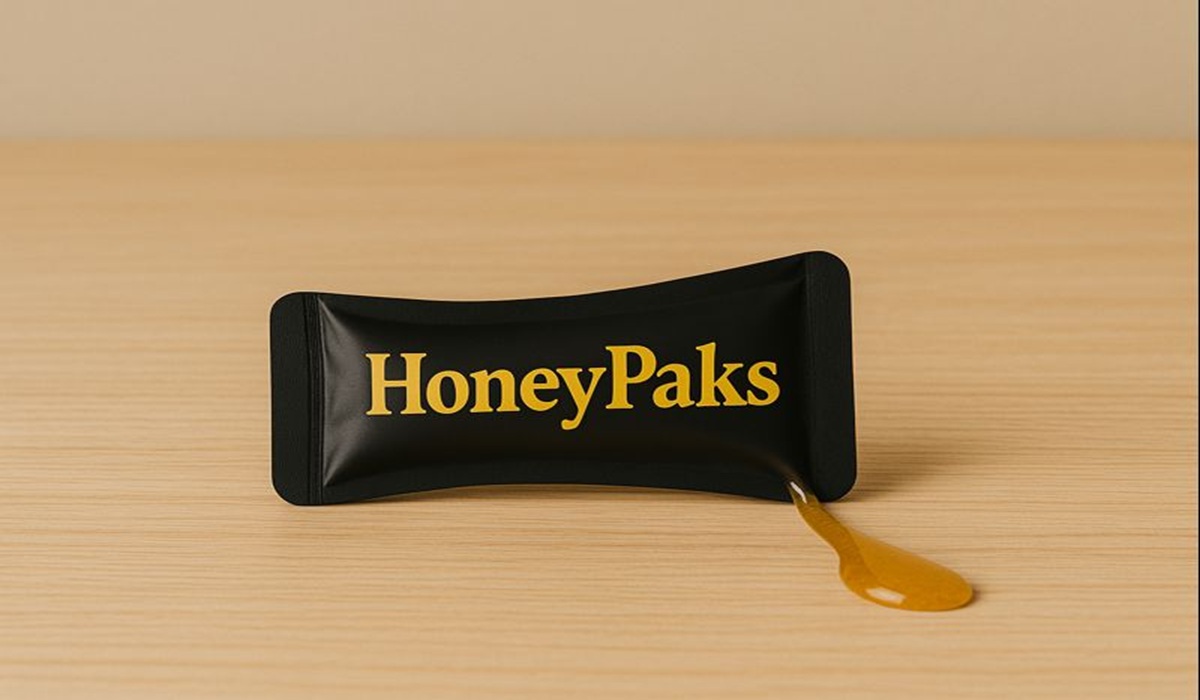
Honey packs have exploded in popularity over the last few years, often framed as an all-natural shortcut for boosting libido, increasing stamina, and turning an ordinary night into something more adventurous. On the surface, the appeal seems harmless. They’re sold in sleek single-use packets, marketed as nothing more than blends of honey, herbs, and so-called natural aphrodisiacs. For many people, the branding alone creates the impression that these products are safe because they don’t look like medication, don’t require a prescription, and don’t come with the heavy warnings that accompany pharmaceutical drugs. But once you peel back the marketing, a very different picture emerges—one that regulators, scientists, and emergency physicians insist people need to understand.
What honey packs actually are depends on the manufacturer, and that inconsistency is part of the danger. Some versions do contain only honey and herbs, though their effects are typically mild. But according to real testing done by the U.S. Food and Drug Administration, a significant number of honey packs being sold—both online and in convenience stores—contain undeclared pharmaceutical ingredients. FDA labs have repeatedly identified liquid forms of sildenafil and tadalafil, the active ingredients in Viagra and Cialis. In several cases, the doses found inside these packets match or exceed prescription-level amounts. None of this is disclosed on the label, meaning people are ingesting drugs without knowing it, without medical supervision, and without any understanding of how those chemicals interact with their bodies.
That secrecy is not just unethical—it is genuinely dangerous. Sildenafil and tadalafil are powerful vasodilators designed for adults who have been evaluated by a healthcare professional. They are never meant to be taken casually, and certainly not hidden inside a syrupy mixture that looks like something you might drizzle on toast. The risk becomes even more alarming when you consider how these honey packs are used. People often take them with alcohol, which already puts strain on the cardiovascular system. Many take them while on medications for blood pressure, depression, diabetes, or chronic pain. Because they don’t realize they are effectively taking an erectile dysfunction drug, they don’t think to consider interactions. The result, in real-world cases, has been sudden drops in blood pressure, fainting, heart complications, hospitalizations, and in some instances, death.
Doctors have been sounding the alarm because overdoses are not always obvious. A person may think they’re simply having a bad reaction to alcohol, dehydration, or anxiety, when in reality their body is overwhelmed by an unlabelled vasodilator they didn’t know they consumed. The FDA has documented enough cases that the agency has issued public warnings, seized products, and forced recalls. Yet the products keep circulating because demand remains high and regulation of online marketplaces is notoriously inconsistent. In many communities, these honey packs are sold openly at gas stations and corner stores without any indication that they contain prescription-level substances.
The marketing also misleads people in more subtle ways. Consumers trust natural products. Honey is ancient, comforting, and symbolic of purity. When companies combine that imagery with suggestive branding, many assume the product is closer to ginseng or maca than it is to a pharmaceutical drug. That assumption is why the risk lands so heavily on ordinary people. Someone who would never dream of taking a pill from an unmarked bottle may feel perfectly comfortable tearing open a foil pouch of something that resembles a sweetener packet. And because stigma still surrounds sexual health—especially for men—many turn to these products silently, without telling a partner or a doctor, making any complications even harder to catch early.
There is also the issue of counterfeit or illegally manufactured supplements entering supply chains that are not monitored. Some honey packs come from overseas operations where quality control is non-existent. In these scenarios, dosing becomes a roulette wheel. One packet may contain barely anything; the next may contain a dangerously high concentration of a generic erectile dysfunction compound. Without transparency, consumers have no way of knowing where on that spectrum they are landing. For people with underlying heart issues, which often go undiagnosed, the consequences can be life-altering.
None of this is to shame people who use or consider using honey packs. Sexual health is deeply personal, and the desire for safe, discreet enhancement is understandable. But the core problem is not desire—it’s deception. A person cannot give informed consent if they don’t know what they are consuming. If a product contains sildenafil or tadalafil, that should be disclosed clearly. If a person needs medication for erectile difficulties, they should access it through a licensed medical professional who can screen for contraindications and explain safe use. Stealth-dosing consumers with prescription drugs in the name of “natural enhancement” crosses a line that regulators have rightly deemed unacceptable.
The conversation around honey packs is not about moral judgment. It’s about protecting people from harm. It’s about ensuring consumers are not tricked into taking potent medications under the guise of honey and herbs. It’s about recognizing that hidden pharmaceuticals don’t become less dangerous just because they’re mixed with something sweet. And it’s a reminder that when something promises big results with no risks, especially in the world of sexual performance, that promise is almost always too good to be true.
About The Author