The Golden Globes Took Place — And Their Silence May Say More Than the Winners
- Ingrid Jones
- U.S.A
- Entertainment
- January 12, 2026
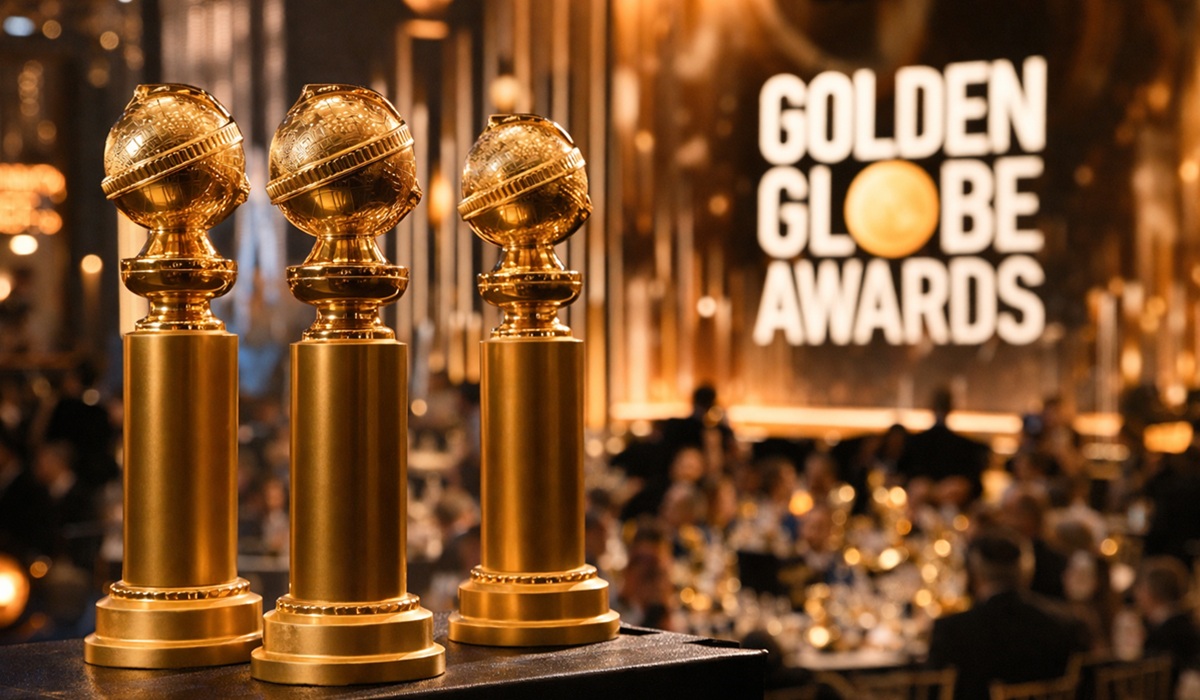
The Golden Globe Awards were held last night, though for much of the public, the ceremony passed with surprisingly little notice. Once a cultural event that dominated headlines and social media, the Globes now feel more like an industry checkpoint than a shared moment. Still, the night produced several notable wins and at least one moment of pointed commentary that briefly cut through the noise.
On the film side, Hamnet emerged as a major winner, taking Best Motion Picture – Drama, with Jessie Buckley earning Best Actress for her performance. One Battle After Another had a strong showing in the Musical or Comedy categories, winning Best Motion Picture in that field along with directing and screenplay honors for Paul Thomas Anderson. Timothée Chalamet won Best Actor in a Musical or Comedy for Marty Supreme, while Wagner Moura took Best Actor – Drama for The Secret Agent. Rose Byrne also earned Best Actress in a Musical or Comedy.
Television awards reflected the continued dominance of streaming and prestige series. The Pitt won Best Drama Series, while The Studio claimed Best Comedy Series. Acting awards went to familiar names, including Noah Wyle and Seth Rogen. In the limited series categories, Adolescence stood out, with multiple wins and particular attention drawn to 16-year-old Owen Cooper, who made history as the youngest recipient of Best Supporting Actor in a limited series.
While the ceremony itself was largely subdued, one moment briefly injected energy into the room. Comedian Wanda Sykes, while presenting an award, took a sharp and unapologetic jab at political commentator Bill Maher. The line landed loudly in the room and resonated beyond it, especially given the context. Just weeks earlier, Dave Chappelle had publicly criticized Maher in his latest Netflix special, calling out what he framed as selective outrage and hypocrisy in political commentary. Sykes’ remark felt less like a one-off joke and more like part of an ongoing conversation within comedy about accountability, power, and who gets to frame cultural debates.
That moment stood out precisely because so little else did. There were no major surprises, no viral acceptance speeches, and little controversy. Social media reaction was muted, and mainstream coverage was brief. The Globes, once known for chaos, unpredictability, and excess, now feel orderly — and perhaps a little invisible.
That doesn’t mean the awards lack value. For winners, the recognition still carries professional weight and can influence the rest of the awards season. But the Golden Globes no longer define the cultural moment. They reflect it.
The fact that the ceremony could take place with strong winners, solid performances, and pointed political humor — and still barely register with the broader public — says less about the quality of the work honored and more about the world watching. In an era shaped by global conflict, economic anxiety, and political tension, entertainment accolades have become quieter, narrower, and easier to miss.
The Golden Globes happened. The industry noticed. The rest of the world mostly moved on.
About The Author