The Day NASCAR Blinked: How Michael Jordan Forced a Reckoning and Changed the Sport Forever
- Kingston Bailey
- U.S.A
- Employment
- December 15, 2025
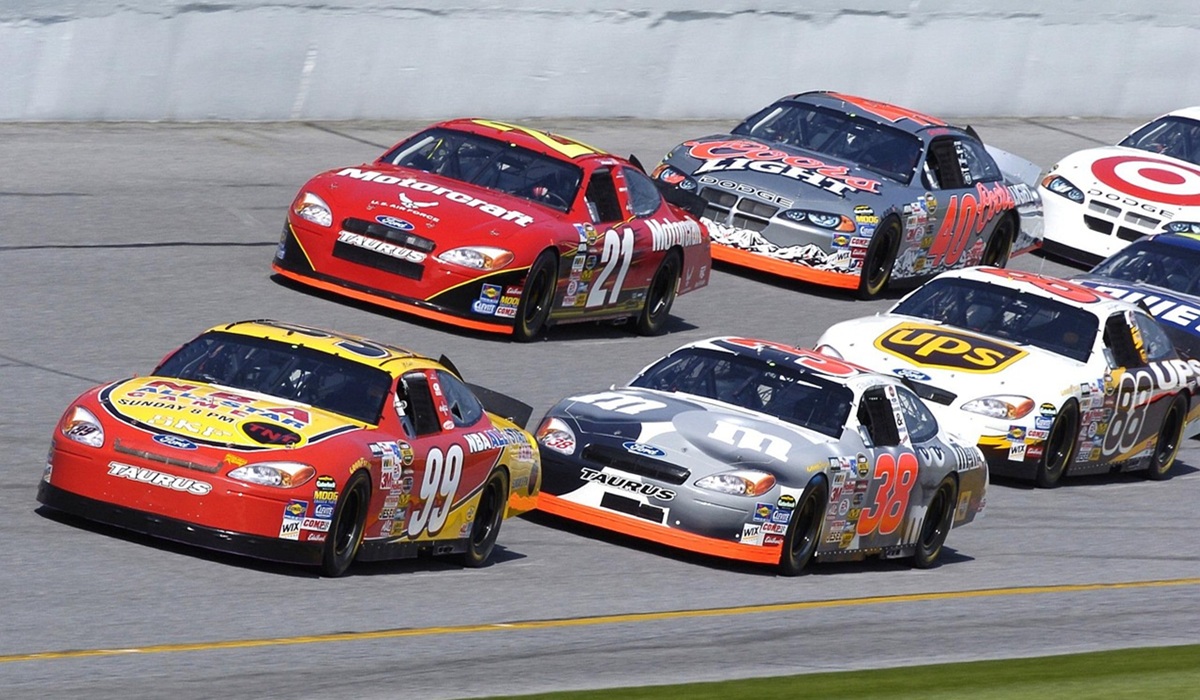
For decades, NASCAR looked like a booming enterprise from the outside. Full grandstands, billion-dollar television deals, historic races that defined American motorsport. But inside the garages, the numbers rarely made sense. Teams won championships and still lost money. Owners poured tens—sometimes hundreds—of millions into facilities, staff, and technology, only to watch their balance sheets sink further into the red.
This wasn’t about mismanagement. It was structural.
At the heart of the problem was NASCAR’s charter system. For fans who don’t follow the business side closely, a charter is essentially a guaranteed spot in every Cup Series race. It ensures a team can start each event, receive prize money, and access shared revenue. Without one, a team can show up fully prepared and still go home with nothing. That made charters enormously valuable, but also dangerously unstable.
For years, charters were not permanent. They could be revoked. They could be rewritten. And they were governed by contracts that teams did not negotiate so much as accept. Owners have described being handed agreements running well over a hundred pages and being given mere hours to sign. Many signed knowing the terms were against their long-term interests. They signed because refusing meant risking their charter, missing races, and losing sponsors overnight.
That is where NASCAR’s monopoly power came into focus. The sanctioning body controlled the rules, the schedule, the revenue, and the right to compete. There was no alternative league with comparable prestige or financial upside. Teams were dependent by design.
The result was an economic paradox: even the most successful organizations struggled to turn a profit. Several owners have said they lost more than $100 million trying to compete at the highest level. Others folded entirely, selling off equipment and walking away from the sport. Winning the Daytona 500 or a championship didn’t guarantee sustainability. It often made the losses bigger.
Many owners knew the system was broken. Some talked about challenging it. Almost none could afford to. Taking on NASCAR in court would have meant years of litigation, millions in legal fees, and the very real risk of retaliation—subtle or otherwise. For most teams, survival required silence.
Michael Jordan changed that.
When his team was presented with the same charter agreement, he refused to sign. He didn’t posture and he didn’t negotiate under pressure. He took NASCAR to court. Unlike others, Jordan had the resources to see the fight through. He couldn’t be financially starved into compliance.
That is why NASCAR settled.
A jury trial would have pulled back the curtain on how the system worked—how charters were leveraged, how contracts were enforced, and why teams carried nearly all the risk while NASCAR retained control. That kind of exposure would have been far more costly than compromise.
The settlement led to something owners had sought for years: permanent charters. For the first time, teams truly own their place in the field. That permanence allows long-term planning, real asset valuation, and financial stability that was previously impossible. A charter is no longer a lease that can be pulled. It is property.
This doesn’t mean NASCAR suddenly becomes generous or balanced. But it does mean the ground has shifted. Teams now have leverage. The fear of total erasure is gone. Sponsors can invest with confidence. Owners can think in decades instead of seasons.
The uncomfortable truth is that NASCAR is lucky Michael Jordan showed up. Not because he saved the sport overnight, but because he forced it to confront a system that was slowly hollowing itself out. Without someone willing—and able—to say no, the losses would have continued until only the most subsidized teams remained.
Jordan didn’t just win a legal battle. He changed the power dynamic. And for the first time in a long time, the people who actually race the cars have a future that isn’t built on fear.
About The Author