The Best Tips for Keeping Your Yard Neat This Fall
- Casey Cartwright
- Home Improvement
- November 3, 2025
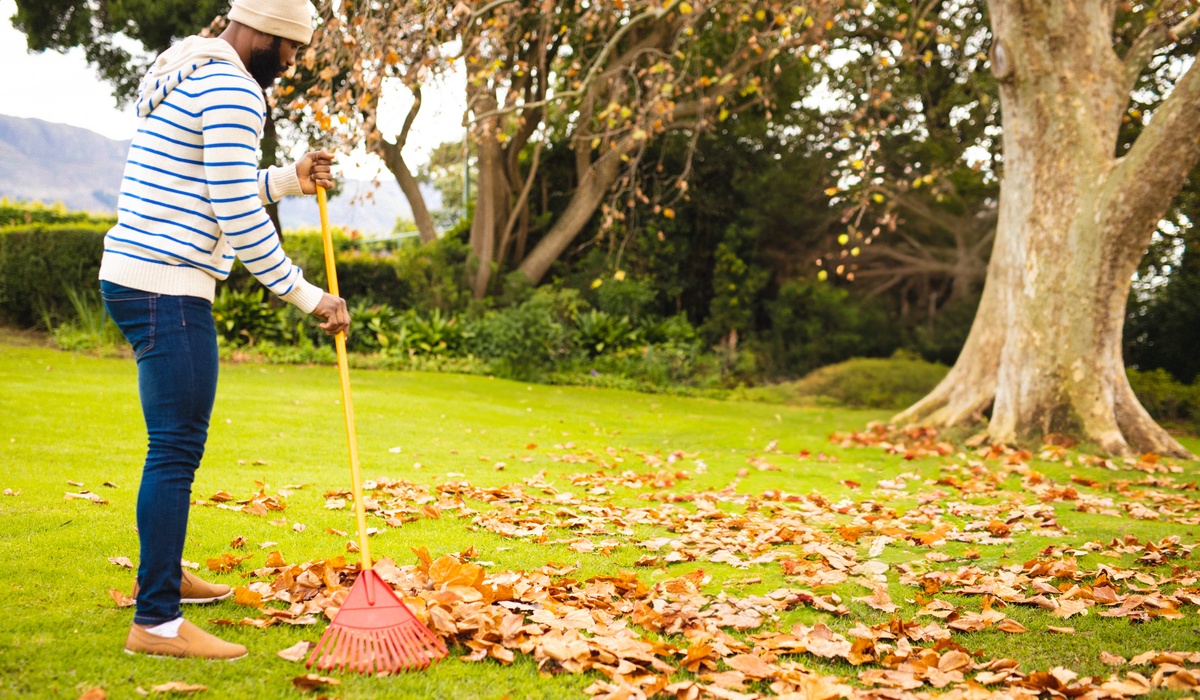
Fall brings those gorgeous amber and crimson leaves, but it also brings the endless cycle of raking, bagging, and dealing with nature’s beautiful mess. Well, your yard doesn’t have to look like a tornado hit it just because October rolled around.
Getting ahead of fall cleanup saves you time and energy, and a well-maintained yard during autumn sets you up for a healthier lawn come spring. Moreover, your neighbors will definitely notice when you’re the one house on the block that looks put-together while everyone else is drowning in leaf piles. Sound good? Read along to explore the best tips for keeping your yard neat this fall!
Start Early and Stay Consistent
The biggest mistake homeowners make is waiting until all the leaves have dropped before doing anything about it. That turns yard work into an overwhelming weekend project that nobody wants to tackle.
Instead, develop a routine that keeps you ahead of the game. Begin your fall maintenance in early September, before the heavy leaf drop starts. Set aside 30 minutes every weekend to handle the basics—clearing gutters, trimming overgrown branches, and doing light cleanup.
Consistency beats intensity every time. You’ll find that regular maintenance prevents that feeling of being completely overwhelmed when peak leaf season hits. Your yard stays manageable, and you actually get to enjoy your weekends instead of spending them bent over a rake.
Get the Leaf Situation Under Control
Let’s talk about those leaves—the main character in every fall yard drama.
Learn How To Rake Correctly
Yes—there’s a right and wrong way to rake leaves. For instance, you should do so when they’re dry, not wet. Wet leaves weigh more and stick together, creating clumpy messes that are harder to move. Additionally, wet leaves can suffocate your grass if left sitting too long.
Another tip is to work systematically across your yard rather than randomly attacking leaf piles. Start at the farthest point from where you’ll dispose of the leaves, then work your way toward your collection area. Rake onto a tarp for easier transport—your back will thank you later.
If you don’t want to use a rake, then you can consider other hacks for removing leaves, such as using a hose and the appropriate fittings. Moreover, you can turn leaf waste into resources while reducing the amount you need to bag and haul away. Here are some creative ideas on that front:
- Mulch them in place: Run your mower over thin layers of leaves to chop them up.
- Create compost material: Mix shredded leaves with kitchen scraps.
- Build natural borders: Use whole leaves around trees and flower beds.
- Save for spring: Store dry leaves to mix with grass clippings next year.
Tackle Your Lawn’s Specific Needs
Fall lawn care goes beyond just dealing with leaves. Your grass needs attention before winter arrives.
Aeration and Overseeding
Compacted soil suffocates your grass roots and prevents water and nutrients from reaching where they need to go. Fall aeration creates space for your lawn to breathe and sets the stage for thick, healthy growth next spring.
Core aeration works better than spike aeration because it actually removes plugs of soil rather than just poking holes. Moreover, fall is the ideal time for overseeding cool-season grasses because temperatures are moderate and rainfall is typically more consistent.
Final Fertilization
Your grass needs nutrients to survive winter and emerge strong in spring. Therefore, apply a winter fertilizer with higher potassium content, which helps grass develop cold tolerance and disease resistance.
Skip the high-nitrogen fertilizers you used during summer growing season. Instead, look for formulations specifically labeled for fall application. These products focus on root development and winter preparation rather than rapid top growth.
Handle Seasonal Pruning Like a Pro
Fall pruning requires strategy because timing matters. Some plants benefit from fall trimming, while others should wait until spring.
What To Prune Now
Dead, diseased, or damaged branches should always come off immediately, regardless of the season. In addition to parts that must go, these plants handle maintenance pruning well in the fall:
- deciduous trees (after leaves drop)
- overgrown shrubs that finished blooming
- perennial flowers that have gone dormant
- fruit trees in warmer climates
Remove suckers growing from tree bases and trim branches that interfere with walkways or power lines. Furthermore, thin overgrown shrubs to improve air circulation and reduce disease risk.
What To Leave Alone
Spring-blooming plants set their buds during fall, so pruning them now will prevent next year’s flowers from arriving. Hold off on trimming forsythia, lilac, azaleas, and flowering fruit trees until after they bloom next spring.
Similarly, avoid heavy pruning on marginally hardy plants that might struggle with winter damage. Light cleanup is fine, but major cutting should wait until you can assess winter damage in early spring.
Winterize Your Outdoor Spaces
Preparing your yard for winter involves more than just plant care. Your outdoor furniture, irrigation systems, and garden tools need attention too. Make sure you address the following tasks if they’re applicable to your space:
- Drain and store garden hoses to prevent freezing and cracking.
- Shut off outdoor water valves and drain irrigation lines.
- Clean and oil your tools before storing them for winter to prevent rust.
- Bring in cushions, umbrellas, and lightweight furniture that could blow around in winter storms.
- Heavy pieces can stay outside, but cover or move them to protected areas.
Your Yard, Your Pride
Keeping your yard neat this fall doesn’t require perfection; it just requires consistency and smart strategies. By applying these best tips and putting in a bit of effort, you’ll be rewarded generously come spring. When your neighbors are dealing with winter damage, your yard will be bouncing back quickly and strongly. Moreover, you won’t have to endure the stress of yardwork tasks piling up alongside the leaves all season long. Instead, you can tackle the job bit by bit and enjoy autumn with a nicer-looking yard and more peace of mind.
Your outdoor space reflects your pride in your home and your commitment to your community. We hope this article helps your home become the talk and joy of the neighborhood.
About The Author