The Amazon at the Edge: From Rainforest to Tipping Point
- Ingrid Jones
- Trending News
- Climate Change
- April 4, 2026
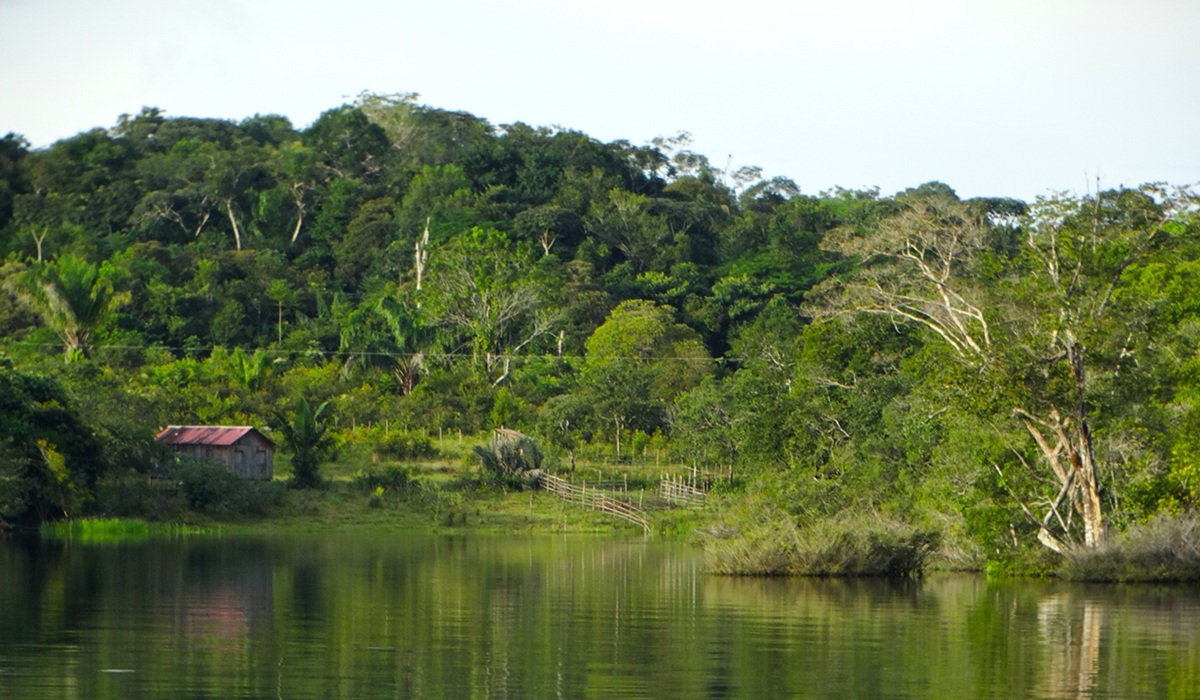
Image Credit: Raimundo Teixeira estevesbae
The Amazon rainforest has long been regarded as one of the most vital ecosystems on Earth. It absorbs vast amounts of carbon dioxide, regulates regional and global climate patterns, and supports an extraordinary range of biodiversity. Yet despite its importance, the Amazon is increasingly under pressure from forces that are pushing it toward a critical threshold.
Deforestation remains a primary driver of change. Large areas of forest are being cleared for agriculture, logging, and development, reducing the overall capacity of the region to absorb carbon. At the same time, rising temperatures and shifting rainfall patterns are placing additional stress on the remaining forest.
What scientists are now warning about is the possibility of a tipping point where large portions of the Amazon could transition from rainforest to a drier, savanna-like state. This would not be a gradual transformation. It would represent a fundamental shift in the ecosystem, one that would be difficult, if not impossible, to reverse.
In some areas, early signs of this transition are already visible. Reduced rainfall, longer dry seasons, and increased tree mortality are creating conditions that make the forest more vulnerable to fires. These fires, whether natural or human-induced, further degrade the ecosystem, making recovery increasingly unlikely.
The consequences of such a shift would be global. The Amazon currently acts as a major carbon sink, absorbing more carbon than it releases. If large sections were to cross the tipping point, that balance could reverse, turning the forest into a source of emissions rather than a buffer against them.
There are also regional impacts to consider. The Amazon plays a crucial role in generating rainfall across South America. Changes to the forest could disrupt agricultural systems far beyond its boundaries, affecting food production and water availability in multiple countries.
What makes this situation particularly challenging is the interplay between local actions and global effects. Decisions made within the region, whether related to land use or conservation, have consequences that extend far beyond national borders. At the same time, global climate trends are influencing conditions within the Amazon, creating a feedback loop that is difficult to break.
Efforts to protect the forest have seen periods of progress, but they are often uneven and vulnerable to political and economic shifts. The scale of the challenge requires sustained commitment, yet that commitment is frequently tested by competing priorities.
The Amazon is not just an environmental asset. It is a critical component of the global climate system. And as pressures continue to mount, the risk of crossing a tipping point becomes increasingly real.
About The Author