Syria: Insecurity Around Al-Hol Camp Forces Suspension of Critical Aid Services
- Ingrid Jones
- Breaking News
- January 24, 2026
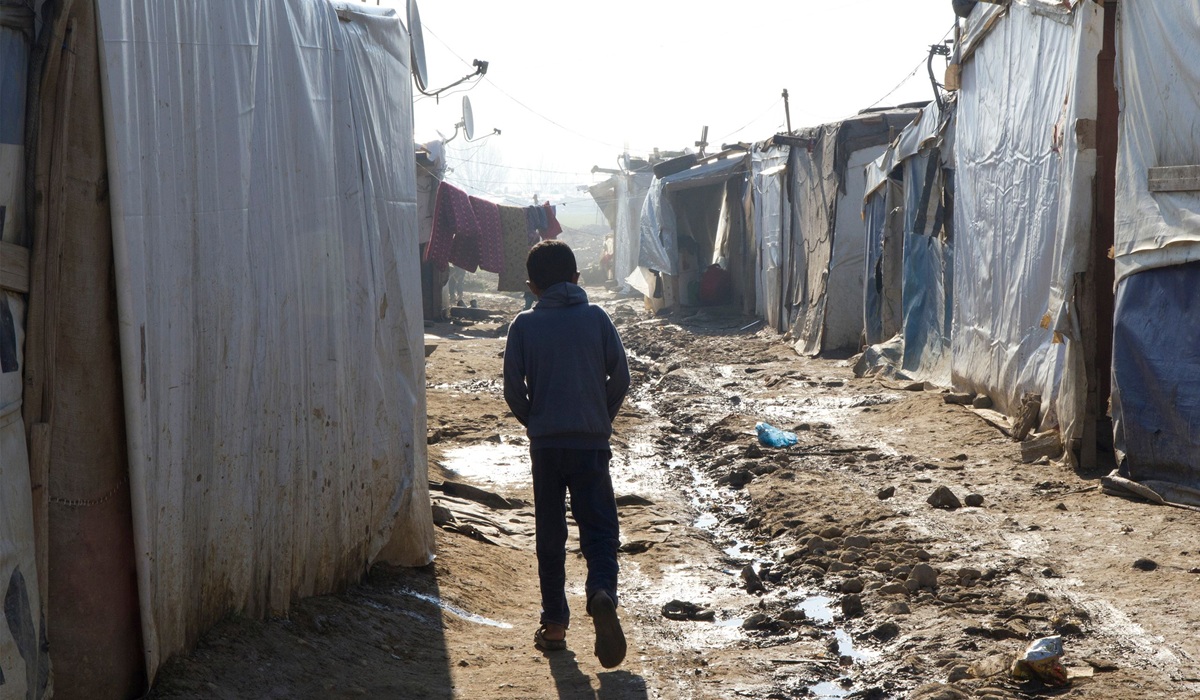
Image Credit: NRC
Insecurity in and around Al-Hol camp in north-east Syria has forced the suspension of critical aid services, leaving more than 24,000 people without support, including nearly 15,000 children, according to the International Rescue Committee (IRC) and the Norwegian Refugee Council (NRC). The organisations say growing movement restrictions and unsafe conditions have severely limited humanitarian access in Al-Hasakeh governorate, creating a dangerous gap in life-saving assistance for one of the most aid-dependent populations in the country.
Aid agencies warn that the situation has become so constrained that for several days there has been almost no independent verification of conditions inside the camp. That lack of access has left humanitarian actors without a clear picture of the safety and wellbeing of residents, while essential services that help protect vulnerable people from violence, exploitation, and abuse remain out of reach.
Al-Hol is home to some of Syria’s most vulnerable displaced families, with women and children making up around 95% of the camp’s population. Residents are heavily dependent on humanitarian assistance for basic survival, including food and water. Aid groups warn that any prolonged disruption to services could quickly put lives at risk, particularly among children who face increased danger during periods of instability when protection services are interrupted or withdrawn.
The IRC and NRC say families living in Al-Hol have already endured years of displacement, trauma, and restricted movement, and they stress that children in this environment must be protected in line with international humanitarian and human rights standards. They argue that children in such settings should be treated primarily as victims, and that access to life-saving assistance must not be blocked.
The organisations are calling on authorities to ensure immediate, safe, and unhindered humanitarian access to Al-Hol, including the restoration of suspended services, and to guarantee the safety of humanitarian personnel and facilities. They warn that further delays will increase risks to residents and could result in loss of life.
At the same time, the agencies are urging the international community to intensify coordinated action toward long-term solutions, including accelerated repatriation and reintegration of third-country nationals, as well as safe, rights-based pathways for Syrian and Iraqi children and their families. Both organisations say they remain committed to delivering principled humanitarian assistance and are ready to resume full operations as soon as security and access conditions allow.
Al-Hol camp currently hosts an estimated 26,500 people, including Syrians, Iraqis, and foreign nationals, the majority of whom are women and children. Iraq accelerated the repatriation of Iraqi nationals from Al-Hol in 2025, marking the largest population reduction in the camp to date. Current estimates place the population at roughly 14,000 Syrians, 6,200 third-country nationals, and 4,000 Iraqis, with children representing approximately 60% of residents. Aid organisations also note that hundreds of children, including some removed from the camps, have been held in linked detention facilities, including centres described as “rehabilitation” facilities.
On 21 January, Al-Hol was designated a restricted security zone due to escalating conflict across north-east Syria, a development that aid groups say has further tightened humanitarian access and worsened already fragile conditions.
About The Author