Image Credit, Military_Material
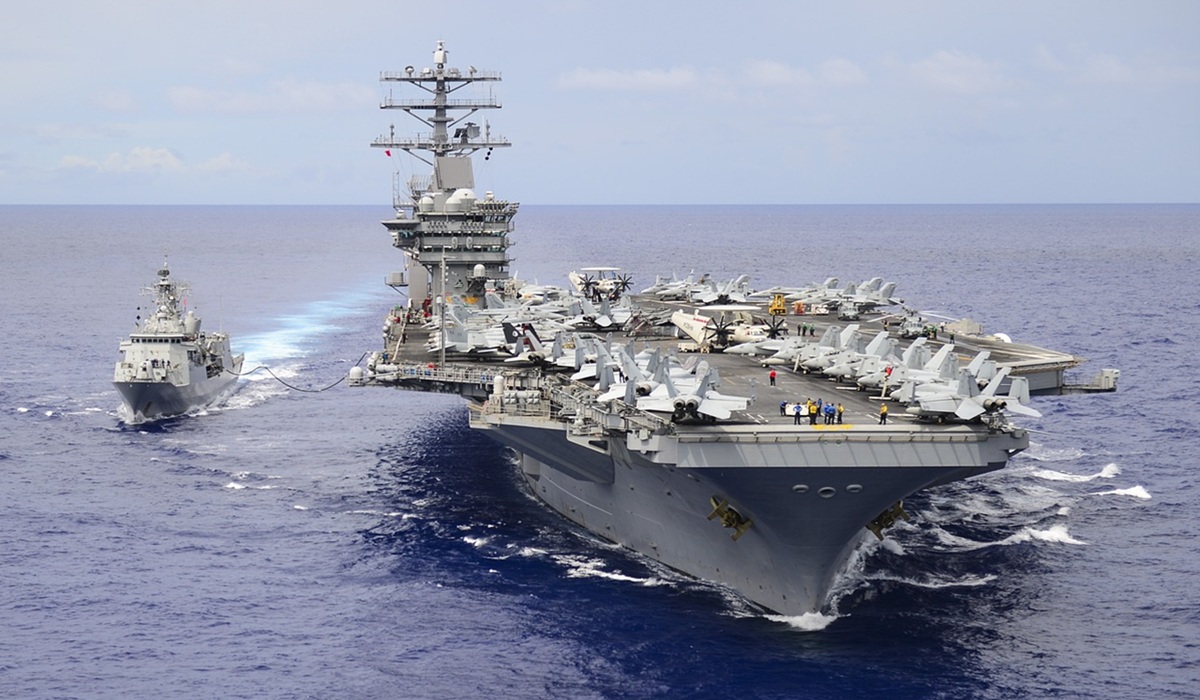
The USS Gerald R. Ford, the lead ship of the United States Navy’s newest class of nuclear-powered aircraft carriers, represents cutting-edge American naval power. Commissioned in 2017, it was designed with advanced electromagnetic launch systems, expanded sortie generation capability, and upgraded living facilities for a crew that can exceed 4,500 sailors when the air wing is embarked.
Yet recent reports circulating among military observers and family networks suggest that daily life aboard the carrier has been marked by frustration. Claims of plumbing malfunctions affecting onboard toilet systems have drawn particular attention, an uncomfortable problem on any vessel, let alone one carrying thousands of personnel. Long waits for washing facilities, reportedly stretching toward an hour during peak times, have added to strain on sailors managing demanding operational schedules.
Extended deployments further complicate morale. Modern carrier strike groups often operate in high-tension theaters for months at a time. The emotional toll of missed family milestones is a reality of military service, but accounts of sailors missing funerals or major life events amplify concerns about cumulative stress. One reported case involved a sailor unable to attend his grandfather’s funeral due to operational commitments. For families already carrying the burden of separation, such moments resonate deeply.
The broader strategic environment intensifies the pressure. With heightened tensions involving Iran and other regional actors, carrier strike groups operate as both deterrent and potential first responders. Public discourse, particularly on social media, has included speculation about threats to U.S. naval assets in the event of open conflict. While naval planners consistently emphasize layered missile defense systems and escort vessels designed to protect carriers, the mere discussion of worst-case scenarios contributes to psychological strain among service members and their families.
The USS Gerald R. Ford was built to symbolize technological superiority. However, morale is not measured in tonnage or launch systems. It is shaped by daily living conditions, leadership communication, and the sense of personal sacrifice. Military analysts often note that sustained readiness depends as much on crew welfare as on hardware performance.
For men and women serving aboard, double deployments, operational tempo, and infrastructure challenges converge in confined spaces thousands of miles from home. The U.S. Navy has historically addressed onboard quality-of-life issues through phased upgrades and command-level reforms. Whether current concerns reflect isolated growing pains of a new class of carrier or broader systemic stress is a question observers continue to watch.
What remains clear is that behind every strategic headline stands a crew navigating both geopolitical tension and the ordinary realities of life at sea.
About The Author