Starmer Signals Strength with Carrier Strike Group Deployment to the North Atlantic
- Naomi Dela Cruz
- Breaking News
- United Kingdom
- February 15, 2026
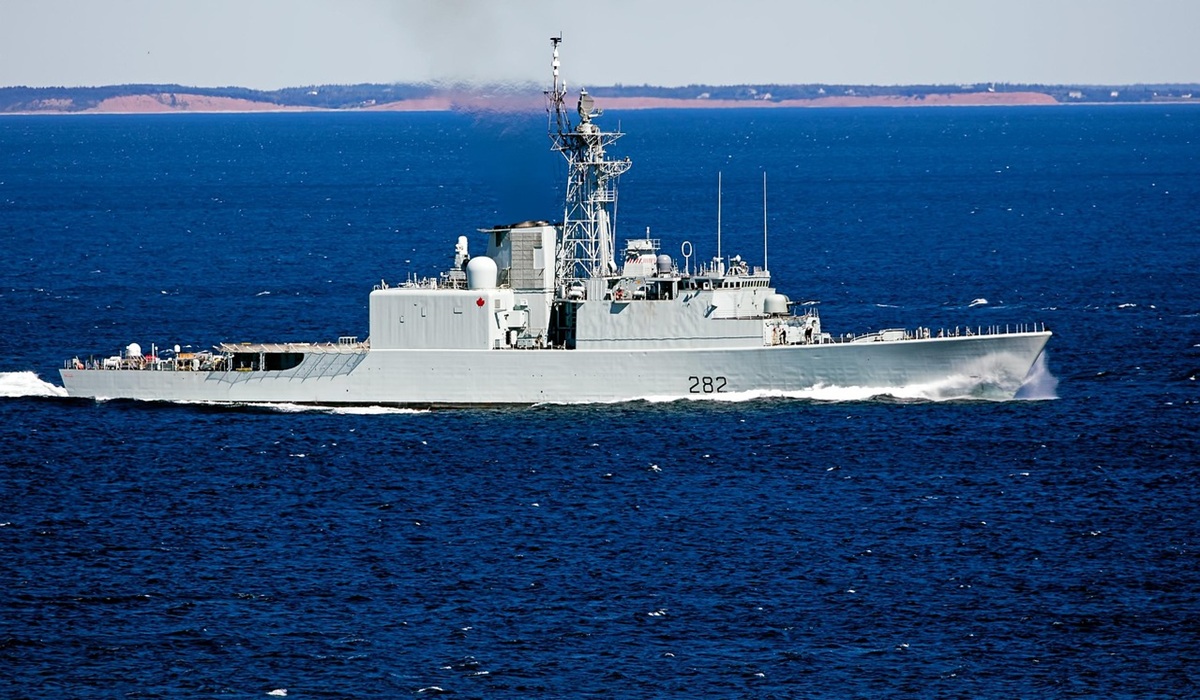
Image Credit: Hans Toom
The United Kingdom is once again turning its attention northward as Prime Minister Keir Starmer confirms plans to deploy a carrier strike group into the North Atlantic and the High North. The decision is rooted in a changing global security climate, where traditional naval routes, undersea infrastructure, and emerging Arctic pathways are gaining renewed strategic importance. The move reflects not just a military deployment, but a statement about the role Britain intends to play in regional and international security in the years ahead.
At the heart of the decision is growing concern over the stability of the northern maritime region. The North Atlantic has always held significance for defence planning, but the Arctic and surrounding waters are now becoming increasingly central to geopolitical conversations. As ice continues to recede and shipping lanes become more accessible, new opportunities and new risks are emerging. Nations are watching closely, and military planners are positioning themselves to ensure that these waters remain stable and secure.
The deployment of a carrier strike group provides the United Kingdom with the ability to project power across a vast area. A carrier brings with it air support, surveillance capability, and the flexibility to respond quickly to evolving situations. When combined with accompanying warships, submarines, and allied forces, the presence becomes both practical and symbolic. It sends a clear message that the region is not being overlooked and that cooperation among NATO partners remains strong.
There is also a broader defensive purpose tied to the protection of critical infrastructure. The North Atlantic is home to important shipping corridors and vital undersea communication cables that carry enormous volumes of global data. Any threat to these systems could have far reaching consequences for economies and national security. By increasing its presence, Britain is reinforcing the idea that these assets must be safeguarded and monitored.
Another key factor behind the move is the evolving security relationship among European nations. There has been growing emphasis on stronger cooperation between allied countries, particularly in areas where defence responsibilities are shared. The deployment is a practical demonstration of that approach, showing that Britain is prepared to operate alongside partners and contribute directly to collective security efforts. It also reinforces the idea that Europe must be capable of supporting its own defence posture while remaining closely aligned with NATO.
The Arctic dimension adds another layer to the decision. As natural resources and shipping routes become more accessible, interest in the region has intensified. Countries with Arctic access have already begun investing in their presence, and others are paying closer attention to how the balance of activity develops. A carrier strike group operating in northern waters helps maintain visibility and ensures that allies remain engaged in shaping what the future of the region will look like.
Politically, the deployment signals continuity and leadership. It reassures allies that Britain remains committed to shared security goals and capable of supporting operations far from home waters. At the same time, it demonstrates to potential adversaries that the North Atlantic remains a monitored and defended space, where activity does not go unnoticed. In a world where perception can be as powerful as action, that kind of presence carries weight.
Ultimately, the move reflects long term planning rather than a response to a single event. It is about positioning, readiness, and maintaining stability in a part of the world that is once again attracting global attention. By sending a carrier strike group north, the United Kingdom is reinforcing its role as a maritime power and underlining the importance of cooperation, vigilance, and preparedness in an increasingly complex security environment.
About The Author