South America’s Struggle Between Reform and Resilience as Economies, Governments and Citizens Face a Tipping Point
- Naomi Dela Cruz
- Latin
- Trending News
- November 26, 2025
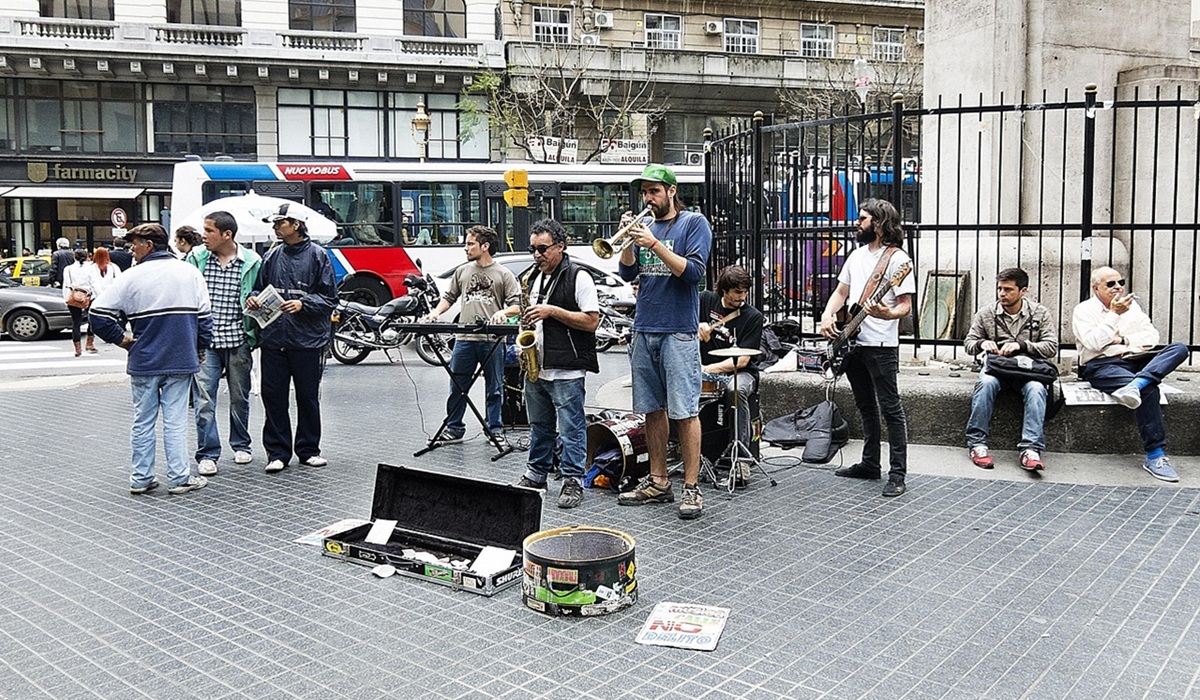
Image Credit: Hectorfn
South America has entered a decisive period defined by political change, economic instability, environmental crisis and a powerful surge of civic engagement that is challenging traditional power structures. Across the continent, governments and citizens alike are confronting decades of inequality, corruption and mismanagement while attempting to modernize institutions, restore trust and create sustainable futures.
Argentina remains at the center of the most dramatic economic transformation unfolding in the region. Years of chronic inflation, mounting debt and currency devaluation have left the population facing soaring costs of living. Basic necessities such as food, transportation and rent now consume a disproportionate share of household income. In response, the government has implemented aggressive economic reforms, removing subsidies, cutting public spending and restructuring fiscal policy in an attempt to stabilize the national currency and curb inflation. While proponents of these measures claim they are essential to restore long-term stability, the immediate social impact has been severe. Poverty has increased, and working-class families have been pushed further into hardship, triggering widespread protests and strikes in major cities.
Brazil, South America’s largest country and economy, finds itself navigating a complex path defined by environmental responsibility and economic ambition. The Amazon rainforest, often called the lungs of the planet, remains both a national treasure and an international concern. Efforts to curb deforestation have intensified, yet illegal logging, mining and land invasion continue to threaten vast areas of forest. Indigenous communities have become vocal defenders of the land, placing themselves in direct confrontation with powerful economic interests.
At the same time, Brazil’s agricultural and industrial sectors are essential drivers of its economy and global exports. This creates ongoing tension between environmental preservation and economic expansion. The challenge lies in developing sustainable practices that protect ecosystems without destroying livelihoods or undermining national growth. How Brazil resolves this internal contradiction will hold global consequences for climate change and biodiversity.
Chile continues to undergo a deep process of social and political reflection following years of mass demonstrations. Citizens have demanded reform of systems long viewed as favouring the wealthy while neglecting public services such as healthcare, education and pensions. Attempts to draft new constitutional frameworks have revealed both the strength and fragmentation of modern Chilean society. Although progress has been made in acknowledging historical inequities, public fatigue and political gridlock persist, leaving many uncertain about the nation’s direction.
Peru remains one of the most politically fragile nations in the region. Frequent changes in leadership, corruption allegations and clashes between branches of government have paralysed effective policymaking. Protests, sometimes violent, continue across both urban and rural areas. Rural communities, particularly Indigenous populations, argue that they have been systematically excluded from national development despite living atop resource-rich lands. Their demands revolve around fair representation, land rights and access to essential services.
Colombia has taken visible steps away from its violent past, yet remnants of conflict still linger. Armed groups, criminal organisations and illegal drug operations continue to operate in several regions. Government efforts aim to replace illicit economies with legal, sustainable alternatives such as agriculture and eco-tourism, but progress is slow and dangerous. Communities that attempt to shift away from illegal crops often find themselves caught between armed factions and economic uncertainty.
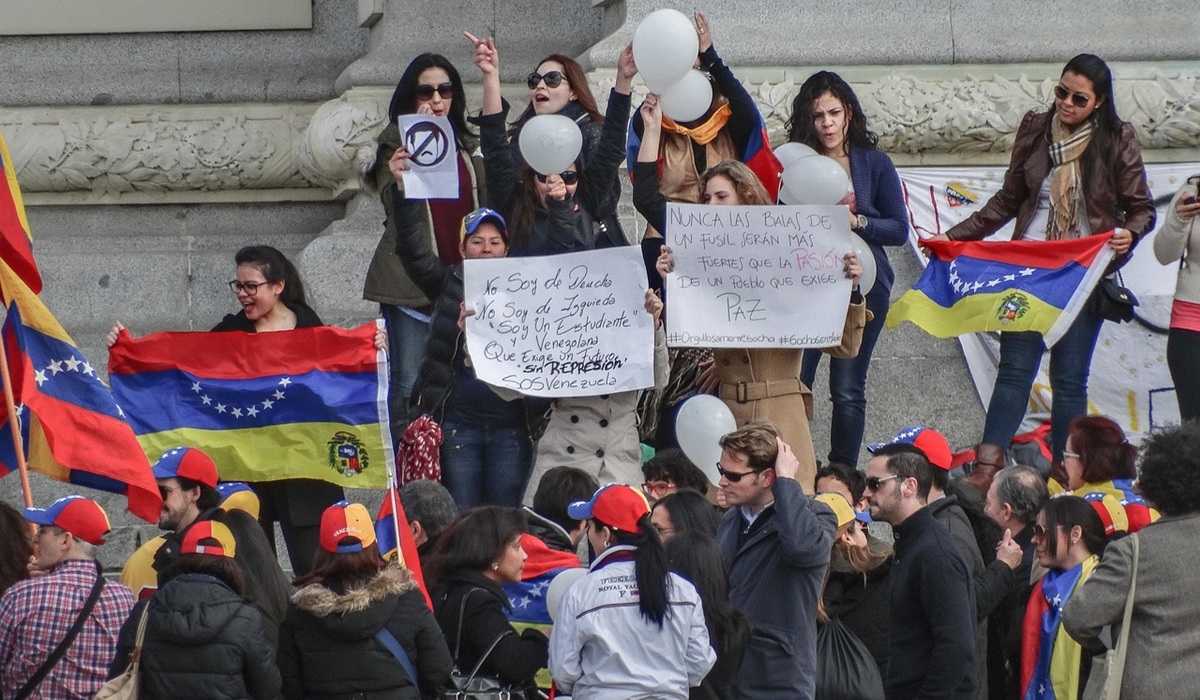
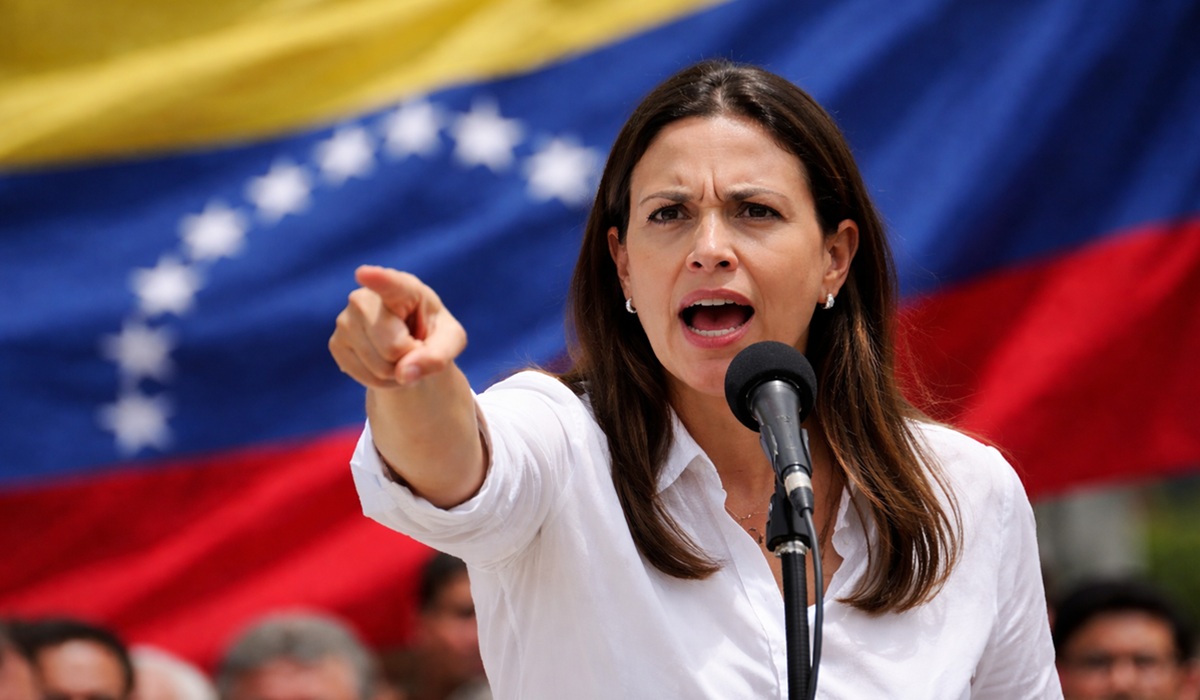
Venezuela remains one of the continent’s worst humanitarian and political crises. The collapse of its economy has dismantled the healthcare system, disrupted education and caused widespread hunger. Millions of Venezuelans have left the country in search of safety and opportunity, placing immense pressure on neighbouring nations. This migration wave has reshaped demographics throughout South America, straining housing, schools and job markets while also creating new multicultural dynamics in cities that absorb the influx.
Environmental instability is now a dominant concern across the continent. Severe droughts in some regions have left reservoirs nearly empty, threatening urban water supplies. At the same time, intense rainfall and flooding in others have destroyed farmland and displaced entire communities. Glaciers in the Andes, once vital sources of fresh water, continue to melt at alarming rates. This environmental volatility adds another layer of uncertainty to already stressed political and economic systems.
Despite these heavy challenges, there is a growing current of innovation and activism throughout South America. Young entrepreneurs are building technology start-ups, investing in sustainable agriculture and launching digital platforms aimed at solving social problems. Community-led initiatives tackle hunger, education gaps and gender violence, often with greater efficiency and trust than government agencies. There is a new sense of ownership among citizens who are no longer willing to wait idly for leadership to emerge from above.
The continent is also repositioning its role in the global economy. Rich in minerals essential for renewable energy and modern technology, such as lithium and copper, South America has become a strategic focal point for the world’s transition away from fossil fuels. Countries like Chile, Argentina and Bolivia hold massive lithium reserves that are critical to battery production for electric vehicles and energy storage. This newfound importance brings both opportunity and risk, as foreign interests intensify their involvement in regional affairs.
South America stands today in a space between history and possibility. Its people are no strangers to adversity, having endured dictatorships, revolutions and economic collapse. Yet time and again they have proven capable of renewal. From urban centres to rural villages, a new narrative is forming, one that seeks dignity, accountability, environmental protection and economic fairness.
The decisions made now will not only define South America’s future but will influence global migration patterns, environmental stability and economic supply chains. In the face of enormous pressure, the continent’s greatest strength may be its resilience and its unyielding drive to create something better out of uncertainty.
About The Author