Vehicle repair costs rarely appear all at once, yet small habits shape how often those expenses show up. Many drivers overlook daily routines that quietly wear down essential components. A consistent approach to maintenance keeps systems running smoothly and prevents avoidable breakdowns. Smart habits do not require advanced knowledge, but they demand attention and discipline over time.
Drivers who pay attention to warning signs often avoid expensive repairs later. Strange noises, vibrations, or dashboard lights signal issues that need immediate action. Ignoring these signs allows minor problems to grow into major failures that cost far more to fix. That is why simple habits are important to reducing vehicle repair expenses before they escalate into a financial headache.
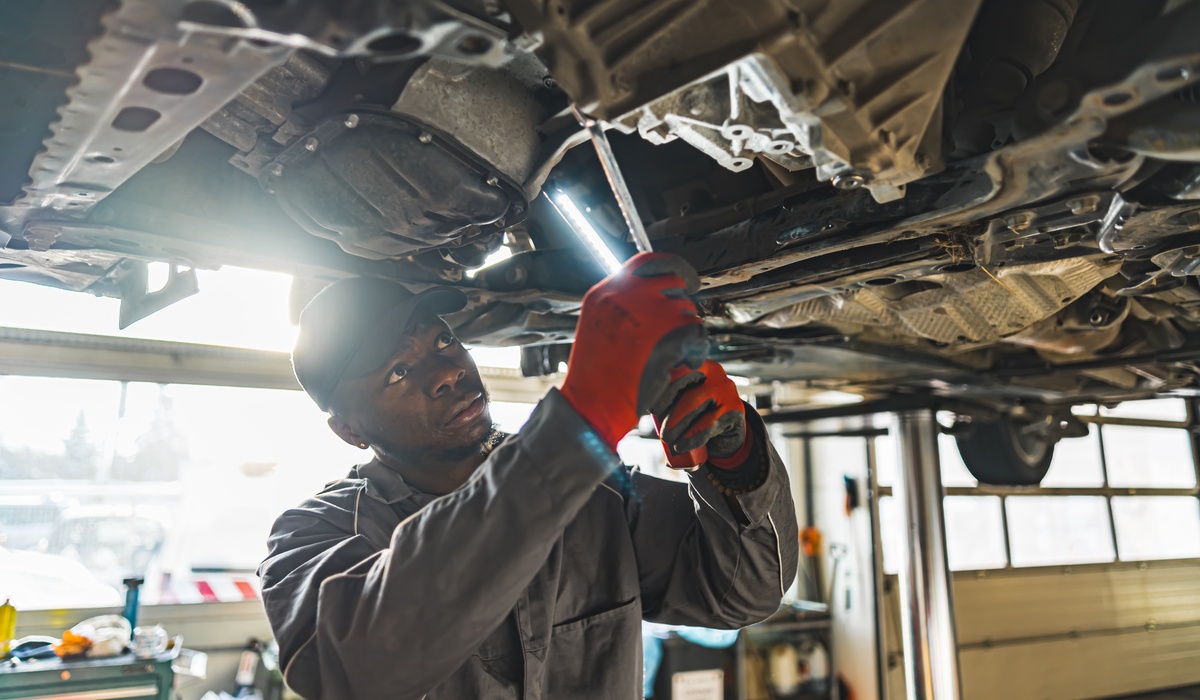
The best place to start with better car habits is under the hood. This doesn’t mean you need to be an expert mechanic; instead, bring your car in for inspections at your local auto shop to catch small issues.
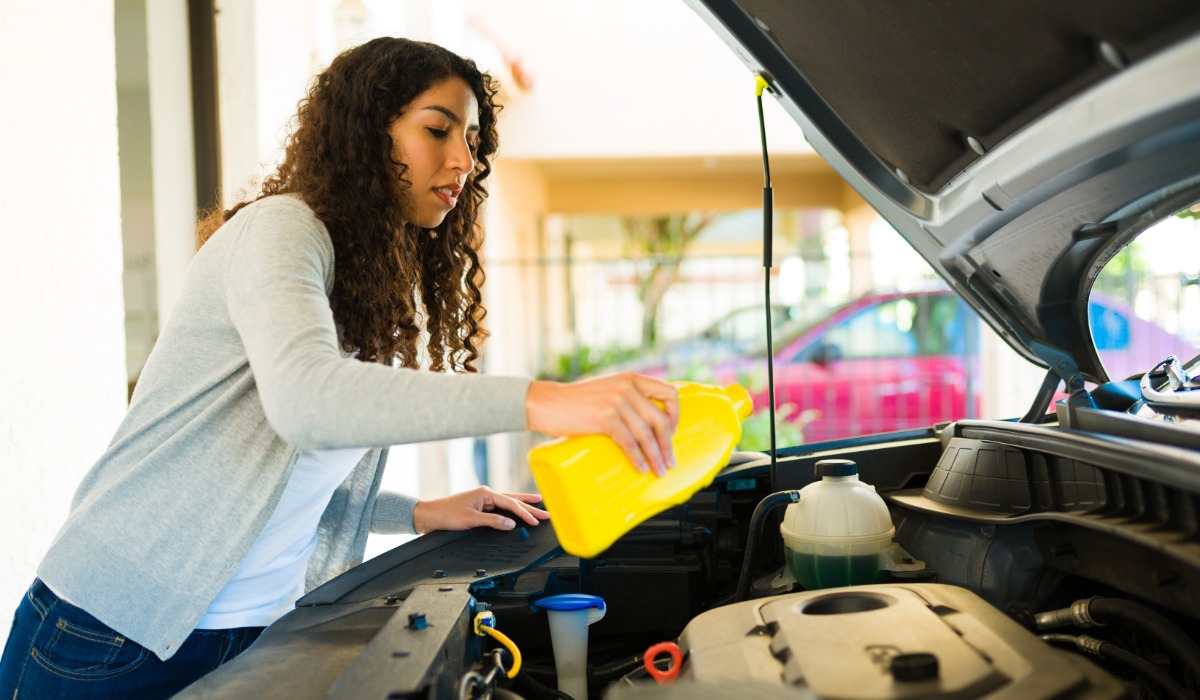
Regular fluid checks play a critical role in reducing long-term vehicle expenses. Engine oil, coolant, brake fluid, and transmission fluid all support essential functions that keep a car running safely. Low or dirty fluids force components to work harder, increasing wear across the system. Drivers who check and replace fluids on schedule protect their vehicles from unnecessary damage.
Tire care remains one of the most overlooked yet impactful habits for saving money. Proper tire pressure improves fuel efficiency and reduces uneven wear, which can lead to premature replacement. Rotating tires at regular intervals ensures balanced usage and extends their lifespan. Drivers who understand how to budget for regular tire maintenance avoid sudden expenses and maintain better control on the road.
Driving behavior also influences how quickly a vehicle wears down over time. Sudden acceleration and hard braking place excessive stress on the engine and brakes. Smooth and steady driving reduces strain and helps components last longer. A calm driving style helps improve fuel economy and lowers overall operating costs.
Keeping a clean vehicle does more than improve appearance, as it also prevents long-term damage. Dirt, salt, and debris accumulate on surfaces, accelerating corrosion, especially in harsh weather. Regular washing protects the exterior and preserves structural integrity. Interior cleaning also prevents buildup that can damage upholstery and electronics.
Scheduled maintenance appointments provide a structured way to prevent costly issues. Mechanics follow manufacturer recommendations to inspect key systems and identify early signs of wear. Skipping these appointments allows small issues to go unnoticed until they cause significant damage. Drivers who stick to a maintenance schedule maintain better vehicle performance and reduce surprise repairs.
Air filters often go unnoticed, yet they play a major role in engine efficiency. A clogged air filter restricts airflow, forcing the engine to work harder than necessary. Replacing the filter at recommended intervals keeps the engine running smoothly and improves fuel efficiency. This simple habit reduces strain on the engine and prevents avoidable repairs.
Battery care contributes to lower repair expenses over time. Corrosion on battery terminals can interfere with electrical connections and cause starting issues. Regular inspection and cleaning keep the battery functioning properly. Replacing an aging battery before it fails prevents inconvenient breakdowns and protects other electrical components.
Brake system maintenance requires consistent attention to avoid safety risks and high costs. Worn brake pads damage rotors if drivers fail to replace them on time. Regular inspections ensure that the braking system operates efficiently and safely. Addressing brake issues early prevents more expensive repairs and maintains reliable stopping power.
Parking habits influence vehicle condition more than many drivers realize. Parking in shaded or covered areas protects the car from sun damage that fades paint and cracks interior materials. Choosing safe locations also reduces the risk of accidental damage from other vehicles or environmental factors. Consistent parking choices help preserve both appearance and structural condition.
Fuel quality and fueling habits also affect long-term vehicle health. Using the recommended fuel type ensures proper engine performance and prevents buildup that can harm internal components. Drivers who avoid running on very low fuel levels reduce strain on the fuel pump. Consistent fueling habits contribute to smoother operation and fewer mechanical issues.
Seasonal preparation helps drivers avoid unexpected repairs during extreme weather conditions. Cold temperatures can strain batteries and thicken fluids, while heat can cause overheating and fluid breakdown. Preparing the vehicle before seasonal changes ensures that systems perform well under different conditions. This habit reduces the likelihood of breakdowns when drivers need reliability the most.
Alignment and suspension care play a significant role in reducing repair costs over time. Misaligned wheels cause uneven tire wear and place stress on steering components. Regular alignment checks keep the vehicle stable and improve handling. Addressing suspension issues early prevents damage that can lead to expensive repairs.
When you’re driving, windshield and visibility maintenance helps ensure safe driving and prevents further damage. Small chips or cracks can spread quickly if drivers ignore them. Repairing minor damage early costs far less than replacing an entire windshield. Clear visibility reduces the risk of accidents and helps drivers maintain control in challenging conditions.
Electrical systems in modern vehicles continue to grow more complex, increasing the importance of routine checks. Malfunctioning sensors or wiring issues can affect performance and safety features. Drivers who address electrical problems early prevent system failures that cost more to repair. Consistent attention to these systems ensures reliable operation.
Drivers who track their maintenance history gain better control over repair expenses. Keeping records of services, part replacements, and inspections helps identify patterns and anticipate future needs. This approach allows drivers to plan ahead rather than react to sudden problems. Organized records also improve resale value and demonstrate responsible ownership.
Small daily habits often determine how well a vehicle performs over time. Checking tire pressure, listening for unusual sounds, and driving with care all contribute to long-term savings. These actions require minimal effort, yet they prevent significant damage when practiced consistently. Drivers who commit to these habits reduce repair frequency and maintain dependable performance.
A proactive mindset separates drivers who face frequent repairs from those who avoid them. Waiting for problems to appear often leads to higher costs and greater inconvenience. Taking preventive action keeps systems functioning properly and extends the vehicle’s lifespan. This approach reflects a long-term investment in both safety and financial stability.
Vehicle ownership comes with ongoing responsibilities that extend beyond basic operation. Each habit, no matter how small, influences the overall condition of the car. Drivers who stay attentive and consistent protect their vehicles from unnecessary wear and costly failures. Over time, these habits create a reliable and cost-effective driving experience that benefits both the vehicle and its owner.
In the end, reducing vehicle repair expenses does not require advanced mechanical knowledge or expensive tools. It requires consistency, awareness, and a willingness to act on small details before they become major problems. Drivers who commit to these habits can reduce vehicle repair costs and extend their vehicles’ lifespans. Implement these habits in your vehicle to save money and enjoy peace of mind on the road.
About The Author