If your parts don’t come out as clean or smooth as they once did, your media may be the cause. Wear and breakdown happen over time, and performance drops in ways that aren’t always obvious at first. Staying ahead of those changes helps protect part quality and keeps your process on track. Signs you need to replace your finishing or tumbling media can show up in subtle ways, so it pays to know what to watch for. If you’ve noticed a shift in results, it’s time to take a closer look and refresh your setup.
One of the first signs shows up in the finish itself. Parts that once came out smooth will start to look dull or inconsistent. Edges may not break as cleanly, and small burrs unexpectedly remain after a full cycle.
This change tends to creep in gradually, which makes it easy to overlook at first. Over time, it becomes clear that the finish no longer meets the same standard. Media that has lost its shape or cutting ability can’t deliver the same level of refinement. When this happens, operators may try to compensate with longer cycles. That approach can slow production and still fall short of the desired result.
Cycle times are critical to finishing jobs. For example, precisely controlling cycle times is one of the best finishing strategies for mixed-material parts. If your process now takes more time to reach the same finish, worn media may be the cause.
As media breaks down, its cutting edges round off, which reduces its ability to remove material. That loss of efficiency forces you to extend cycle times. What once took an hour may now take much longer, which affects throughput and scheduling.
That extra time adds up and reduces overall productivity. A consistent process should deliver consistent timing. When cycle time creeps upward without a clear reason, media wear deserves attention.
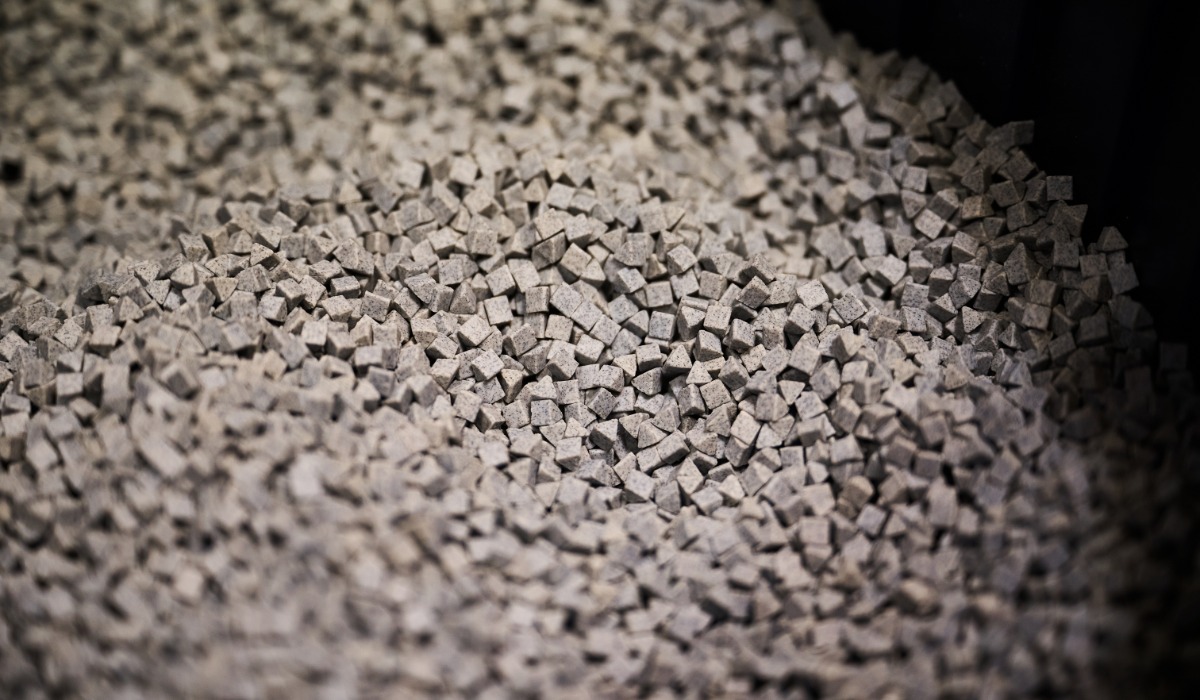
All media wears down with use, and that wear changes its size and shape. Chips become smaller, edges soften, and pieces begin to fracture. Eventually, media that once filled the bowl with structure turns into a mix of undersized fragments. This change affects how parts move within the machine.
Smaller media may not provide the same pressure or contact necessary for proper finishing. It can also slip into areas where it wasn’t intended to go, which creates new challenges. At a certain point, the media no longer performs as originally designed. A visual check can reveal a lot, especially when compared to a fresh batch.
As media breaks down, it produces fine particles that collect in the system. That material can appear as dust in dry processes or sludge in wet systems. Over time, buildup can affect fluid flow and overall machine performance.
Excess debris can also interfere with part quality. It may redeposit on parts or reduce the effectiveness of compounds. That creates a cycle where performance drops even further.
Regular cleaning helps, but it won’t solve the root issue if the media itself continues to degrade. When dust or sludge becomes more noticeable, it’s time to fully replace the media.
Consistency matters in any finishing process. When identical parts begin to show different results from one batch to the next, something in the system has changed. Media wear can play a large role in that inconsistency.
As media breaks down unevenly, it creates an unpredictable environment. Some areas of the bowl may contain more worn media than others, which leads to variation in how it treats parts. That variation shows up in the final finish. Reliable output depends on stable conditions. When results start to vary, media condition should move to the top of the checklist.
Media size and shape help keep parts comfortably separated during the process. As media wears down, it may lose that ability. Parts begin to contact each other more frequently, which can easily lead to scratches or damage.
This issue tends to appear in processes that rely on specific media geometry. When that geometry changes, the system no longer behaves the same way. Part-on-part contact becomes more likely, especially in dense loads. Replacing worn media restores the structure you need to keep parts properly spaced.
Operators who work with finishing equipment every day develop a sense of how the machine should sound and feel. When media wears down, that familiar rhythm can shift. The machine will sound different or behave in a less stable way.
This change can come from altered load dynamics. Smaller or broken media moves differently, which affects how energy transfers through the system. That shift can lead to uneven motion or reduced efficiency. A change in sound or behavior may not point directly to media wear, but it serves as a strong indicator that something needs attention.

Keeping an eye on media doesn’t require complex tools. A few simple habits can go a long way:
- Compare current media to a new sample for size and shape
- Track cycle times and note any increases
- Watch for changes in finish quality across batches
- Check for excess debris in the system
- Listen for shifts in machine sound
These checks help catch issues early, making it easy for you to prevent them in your facility. They also provide a clearer picture of when replacement makes sense.
Media wear is part of the process, but it doesn’t have to catch you off guard. When you recognize the signs early, you can maintain quality and keep production on schedule. Signs you need to replace your finishing or tumbling media show up in finish quality, cycle time, and overall consistency.
A proactive approach keeps your operation running smoothly. Fresh media supports better results, shorter cycles, and more predictable outcomes. It also reduces the need for constant adjustments, which saves time and effort. If your process has started to drift, now’s the right time to take action. Find the right media for your application and keep your finishing process performing at its best. Don’t hesitate to experiment with new finishing methods with your media to maximize production without losing pace in your workflow.
About The Author