Proper maintenance of agricultural machinery directly impacts the efficiency and profitability of any farming operation. Neglecting routine checks can lead to costly downtime during critical operational windows. A seasonal approach ensures that equipment remains ready for the specific demands of each agricultural phase. This guide outlines the essential seasonal maintenance tasks required throughout the year to keep farm machinery in optimal condition.
Begin planting season preparation by inspecting all seeding and planting machinery. Calibrate planters for accurate seed placement and replace worn disk openers and drive chains to prevent field failures.
After winter, give irrigation systems careful attention. Flush lines, check pumps for leaks, and test control panels to ensure water delivery for early growth. Proper maintenance extends the life of irrigation equipment and prevents mid-season breakdowns.
Tillers and plows handle the brunt of early season work. Inspect tillage points and blades for wear or damage. Grease bearings and tighten bolts to ensure they function correctly during high-intensity soil work.
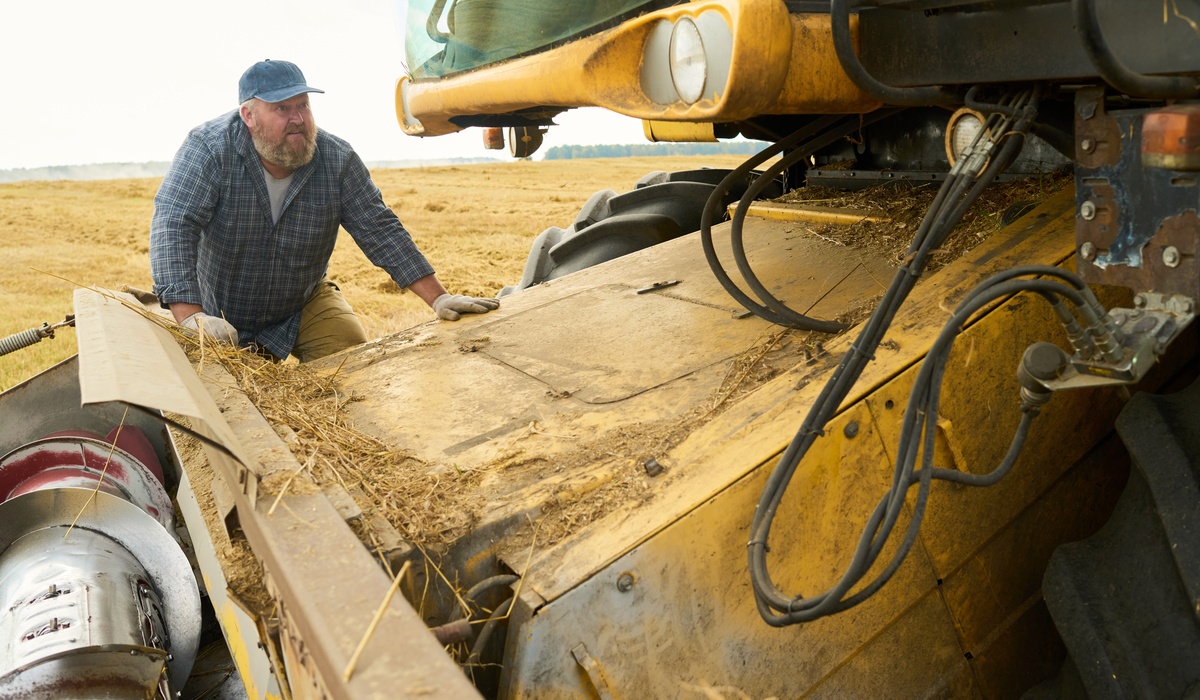
Summer operations focus on harvesting, making combine and forage harvester reliability essential. Clean grain tanks and inspect threshing elements for damage. Check belts and chains to reduce the risk of fire and mechanical failure in hot, dry conditions.
For hay production, inspect knotters on balers to ensure consistent bale integrity. Sharpen mower blades for clean cuts, which promotes faster forage regrowth.
High summer temperatures stress engine cooling systems. Clean radiator screens and check coolant levels daily. Inspect hoses and belts for heat cracking to prevent overheating and engine damage.
When the harvest ends, clean and inspect equipment before storage. Removing crop residue prevents corrosion and pest infestation. Power washing machinery can reveal hidden damage that needs attention.
Address wear and tear right after the season to allow timely parts ordering and repairs. Documenting necessary repairs helps budgeting winter maintenance costs. Note any performance issues observed during harvest to guide service work.
Proper storage protects assets from harsh weather. Storing machinery in dry, covered sheds extends its life. If indoor storage is unavailable, use weather-resistant tarps to cover critical components. Winter is the ideal time for major repairs and component replacements, such as engine overhauls or transmission work, that require significant downtime.
Maintain batteries and antifreeze to prevent cold-weather damage. Disconnect batteries or use maintainers to preserve their charge and extend life. Test antifreeze to protect engine blocks from freezing.
Plan for the next season by reviewing maintenance logs and ordering parts. Evaluate equipment performance to decide on potential upgrades or replacements. This ensures you are ready when spring operations begin.
Consistent seasonal maintenance protects the substantial capital investment farmers make in their equipment. Adhering to a structured schedule reduces unexpected breakdowns and maximizes operational efficiency. A commitment to year-round care ultimately supports higher productivity and a more successful agricultural enterprise.
About The Author