Sanctions on Syria Recast as Ottawa Moves From Temporary Relief to Formal Regulatory Changes
- TDS News
- Canada
- February 18, 2026
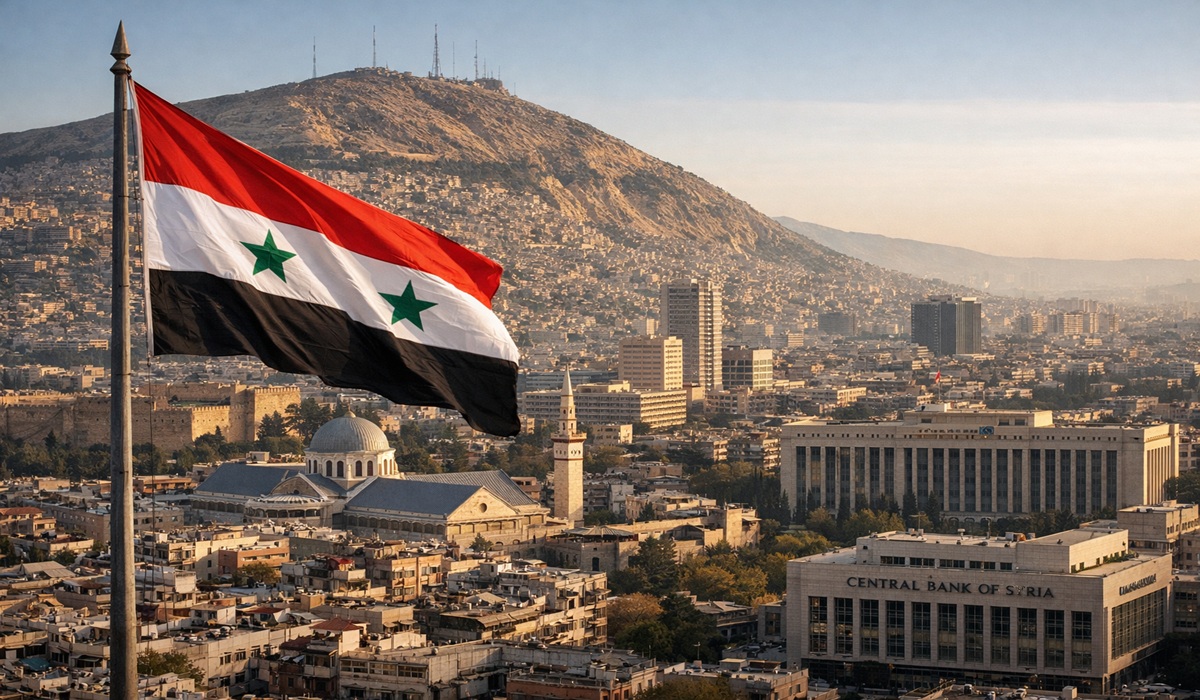
Ottawa has formally amended its sanctions regime on Syria, replacing a temporary easing mechanism with permanent regulatory changes and introducing new human rights-based listing criteria.
The shift follows the collapse of the Assad regime on December 8, 2024, a development the federal government publicly welcomed at the time. Officials reaffirmed support for the Syrian people and called for an inclusive political transition, while also committing to work with international partners to pursue accountability before the International Court of Justice for allegations of torture and other cruel, inhumane and degrading treatment carried out under the former government.
In February 2025, the Minister of Foreign Affairs issued a six-month general permit under the Syria Regulations. The measure temporarily relaxed certain autonomous economic sanctions to allow financial and related services that supported democratization efforts, stabilization initiatives and humanitarian assistance inside the country. The authorization permitted Canadians and individuals in Canada to engage in transactions through the Central Bank of Syria and six other previously sanctioned banks when those activities were tied to recovery and aid objectives.
That general permit was extended in August 2025 for another six months and remains valid until February 23, 2026. With amendments to the Syria Regulations now in force, officials have determined the permit is no longer required and it will not be renewed upon expiry.
Additional changes were introduced in late 2025. On December 5, Syria was removed from the Order Establishing a List of Foreign State Supporters of Terrorism under the State Immunity Act. On the same day, Hay’at Tahrir al-Sham was delisted from the Regulations Establishing a List of Entities under the Criminal Code.
The most recent measures took effect on February 18, 2026. Twenty-four entities and one individual were removed from the Syria Regulations in what officials described as an effort to ease barriers to economic activity and enable transactions with state-affiliated entities operating in sectors considered essential to recovery.
At the same time, two new listing criteria were added to the regulations. These provisions allow for sanctions against individuals involved in gross and systematic human rights violations or actions that undermine Syria’s peace, security and stability. Six individuals have already been listed under the new criteria.
The result is a recalibrated sanctions framework that moves away from short-term exemptions and toward a revised regulatory structure. Economic restrictions have been adjusted to facilitate humanitarian and stabilization efforts, while new tools remain in place to target those accused of serious abuses or destabilizing conduct.
The general permit is set to expire later this month, marking the formal transition from temporary relief measures to the amended sanctions regime now governing financial and economic engagement related to Syria.
About The Author