The relationship between the United States and Saudi Arabia has long been built on a foundation of mutual interest, but recent developments suggest that foundation is beginning to crack in ways that are becoming increasingly difficult to ignore. A public exchange between the American president and the Saudi crown prince has brought tensions into the open, turning what was once managed behind closed doors into a visible and escalating dispute that carries serious geopolitical implications.
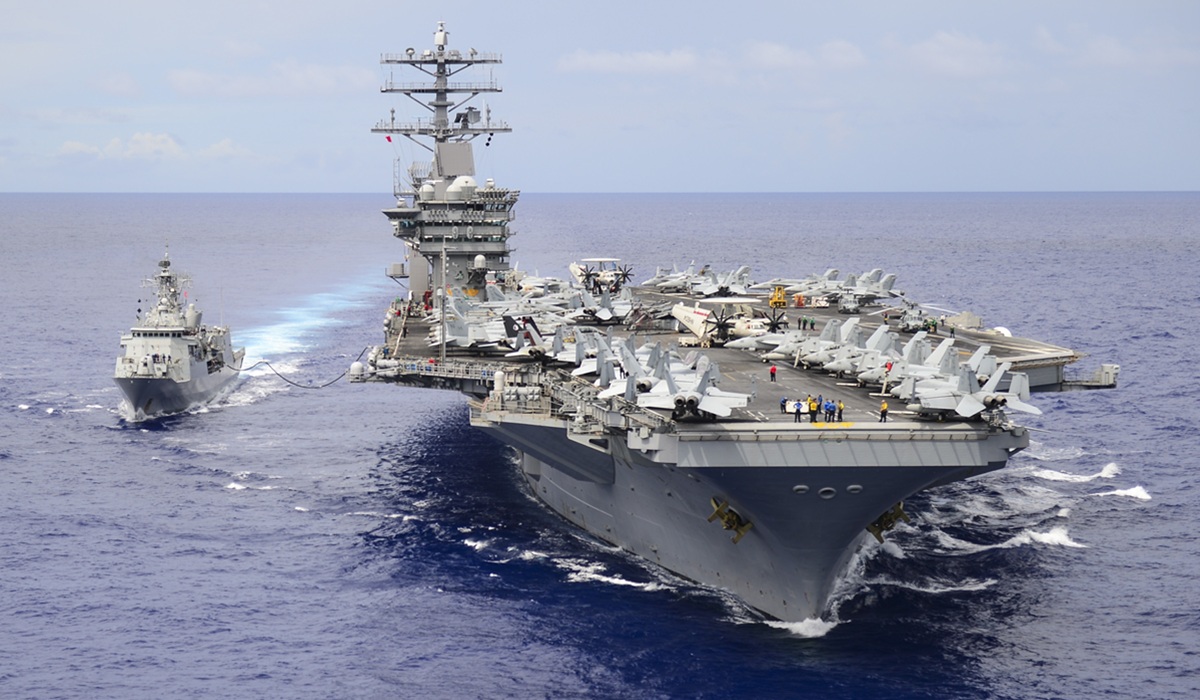
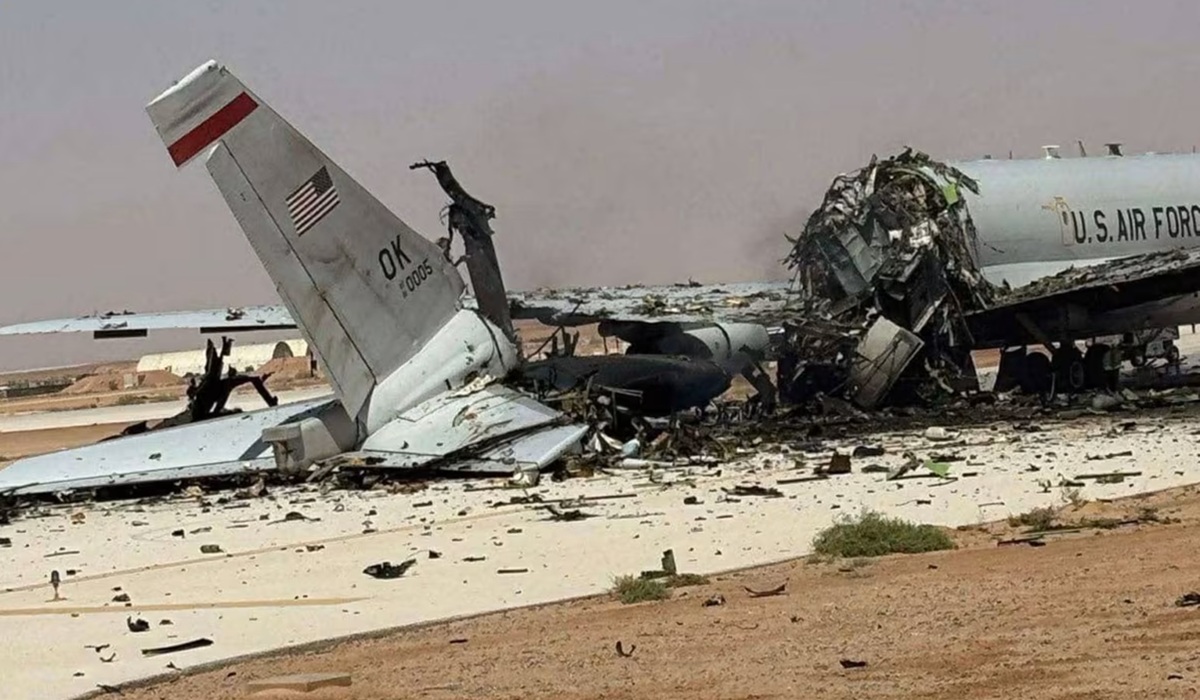
At the center of the controversy is a remark made by the American president that was both blunt and unusually personal, targeting the Saudi crown prince in a way that breaks from the carefully calibrated language typically used in diplomatic relations. The response from Saudi Arabia was equally striking, not because of its tone alone, but because of its method. The release of images showing damaged U.S. military aircraft was a deliberate and calculated move, one that signals dissatisfaction and challenges the traditional dynamics of the alliance.
This is not how close allies typically behave, and that is precisely what makes the situation so significant. For decades, the relationship between Washington and Riyadh has been defined by a clear understanding of roles. The United States provided security guarantees and military support, while Saudi Arabia played a central role in global energy stability. While disagreements have always existed, they were rarely allowed to surface in a way that could threaten the broader partnership.
What is unfolding now suggests a shift in that balance. Saudi Arabia has been increasingly assertive in its foreign policy, pursuing its own interests with a level of independence that would have been unthinkable in previous decades. At the same time, the United States is navigating its own internal and external pressures, which are influencing how it engages with long-standing allies. The result is a relationship that feels less stable, less predictable, and more prone to public friction.
The broader regional context cannot be ignored. Saudi Arabia’s position is shaped not only by its relationship with the United States, but also by its rivalry with Iran, its economic transformation efforts, and its desire to establish itself as a dominant force in the Middle East. Encouraging a tougher stance against Iran while simultaneously clashing with Washington creates a complicated and at times contradictory dynamic that reflects just how fluid the region has become.
The implications of this tension extend beyond diplomatic rhetoric. Military coordination, intelligence sharing, and joint operations all rely on a level of trust that is now being tested. If that trust continues to erode, it could have real consequences for regional security, particularly at a time when stability is already under pressure from multiple fronts.
There is also a symbolic element to this dispute that should not be overlooked. Public disagreements between leaders send signals not just to each other, but to the rest of the world. They create perceptions of division, uncertainty, and potential weakness that other actors may seek to exploit. In a region where perception often shapes reality, that matters.
What we are witnessing is more than a temporary disagreement. It is a moment that raises fundamental questions about the future of one of the most important alliances in modern geopolitics. Whether this is a brief rupture or the beginning of a longer-term shift remains to be seen, but the direction of travel is clear. The relationship is changing, and the consequences of that change will be felt far beyond the borders of either country.
About The Author