Protectionism or Progress? Why Doug Ford’s EV Rhetoric Misses Canada’s Economic Reality
- TDS News
- Canada
- January 14, 2026
By: Donovan Martin Sr, Editor in Chief
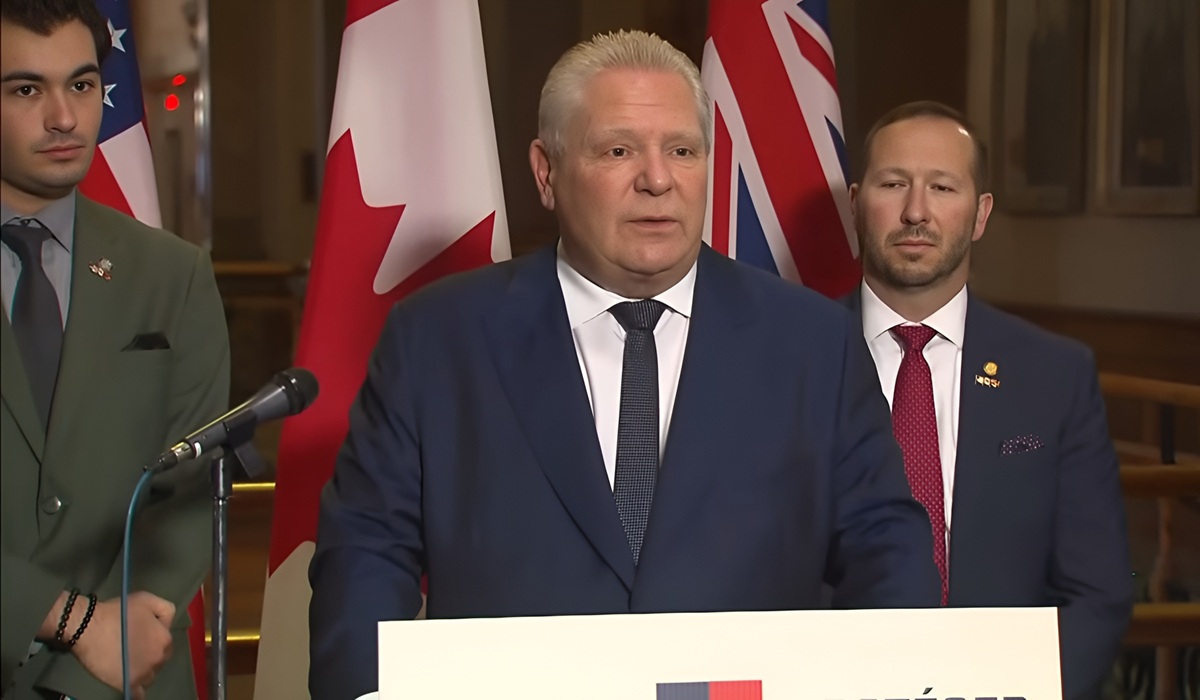
Ontario Premier Doug Ford’s recent comment opposing the entry of Chinese auto parts and vehicles into Canada misses the larger economic reality Canadians are facing. Framing Chinese electric vehicles as a threat to Canadian and American jobs may sound patriotic on the surface, but it overlooks how global trade, tariffs, and consumer affordability are actually playing out on the ground.
For someone who has positioned himself as a defender of Canadian workers, this rhetoric feels less like job protection and more like political alignment with Washington at a time when pressure from the Trump administration is once again shaping North American trade decisions. The 100 percent tariffs imposed on Chinese electric vehicles did not benefit Canadian workers. They did not strengthen Canada’s manufacturing base. What they did do was trigger retaliatory measures that directly hurt Canadian exporters, particularly in agriculture.
Canada imports less than one percent of its electric vehicles from China. Blocking that tiny share has not protected a domestic EV industry because Canada does not currently have a fully integrated, large-scale Canadian-owned electric vehicle manufacturing ecosystem. Meanwhile, American auto manufacturers have continued pulling production out of Ontario despite massive public subsidies. Those factories are not coming back simply because Chinese competition is kept out.
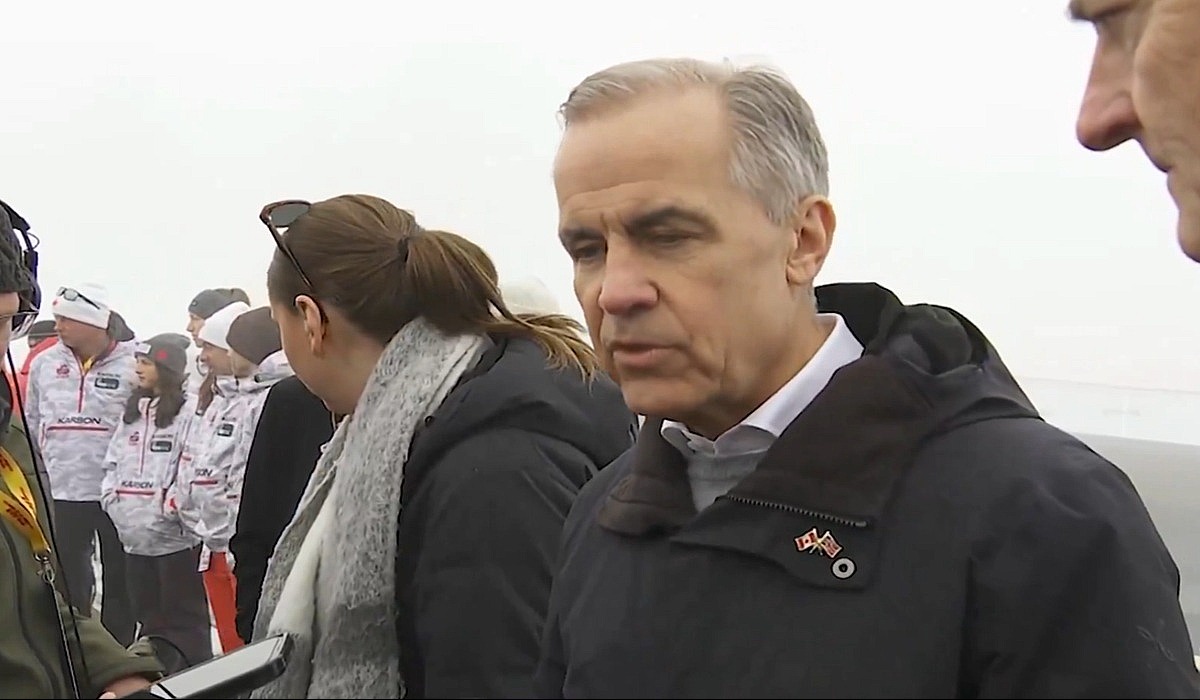
The canola dispute highlights the disconnect. Ontario does not produce significant amounts of canola, yet Prairie provinces have borne the brunt of retaliatory trade measures. Manitoba, Saskatchewan, and Alberta farmers have paid the price for decisions largely shaped by geopolitical posturing rather than Canadian economic strategy. Against that backdrop, Prime Minister Mark Carney’s visit to Beijing is not capitulation; it is pragmatism. Diplomatic engagement aimed at lifting sanctions and restoring market access is exactly what responsible leadership looks like when Canadian producers are hurting.
The argument that Chinese electric vehicles are “cheap” in the sense of being inferior is also outdated. Chinese EVs are increasingly competitive on quality, technology, and range, and they pose a real challenge to Tesla globally. Pretending otherwise does not change market reality. What it does do is deny Canadian consumers access to more affordable options at a time when the average family is struggling to afford any vehicle at all, let alone an electric one.
Competition would not weaken Canada. It would strengthen it. More EVs on Canadian roads mean lower emissions, more electricity demand that benefits provincial utilities, and potential opportunities to attract foreign manufacturers willing to build and stay if Canada offers a stable, open market. Shutting the door does none of that.
The deeper question is why this rhetoric is surfacing now. Who benefits from escalating language that does not align with Canadian economic interests? It certainly is not farmers, consumers, or laid-off auto workers. Canada has already seen what happens when it blindly follows U.S. trade policy. The result was lost markets, damaged relationships, and real harm to Canadian industries.
Doug Ford has earned credit for standing up to U.S. pressure in other moments. This, however, is not one of them. Canadians need policy grounded in economic reality, not soundbites shaped by foreign politics. Forward-looking leadership means engaging, negotiating, and competing—especially when the alternative is continued decline masked as protectionism.
About The Author