Ottawa Launches $6 Billion Push to Strengthen Trade Corridors and Arctic Infrastructure
- Kingston Bailey
- Canada
- March 4, 2026
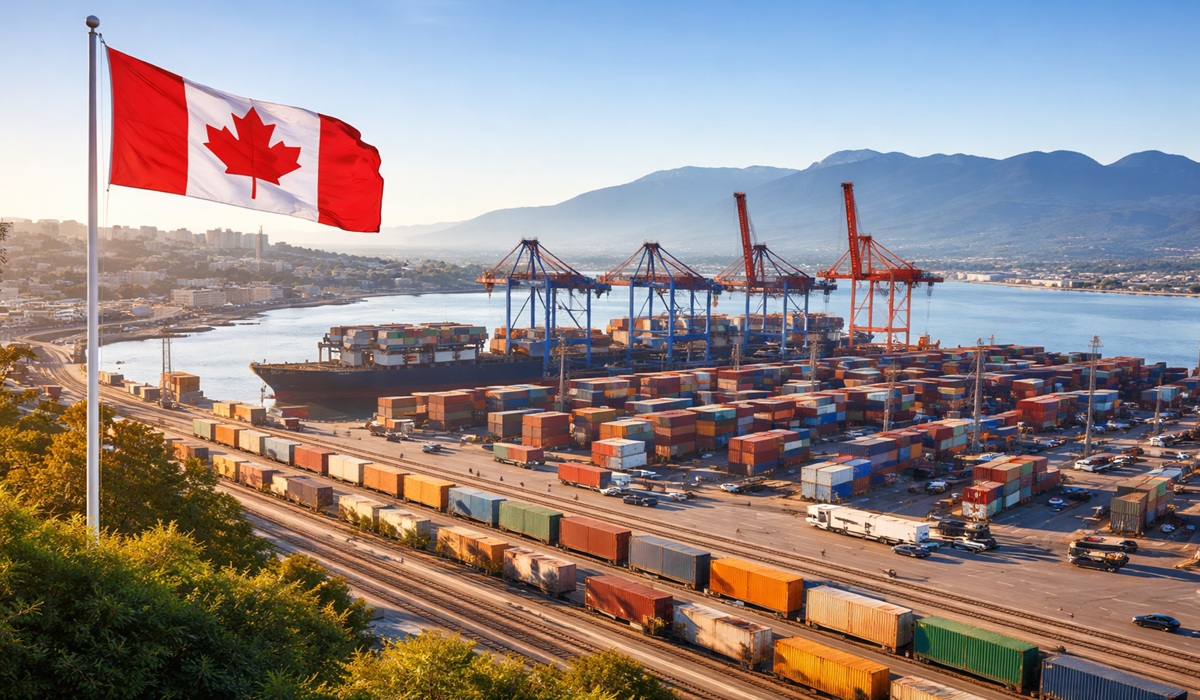
The federal government has unveiled a major infrastructure push aimed at strengthening trade routes, modernizing transportation systems, and reinforcing northern connectivity, announcing the opening of proposal calls for two significant funding programs worth a combined $6 billion. The initiative, led by Transport Canada, is designed to address long-standing infrastructure gaps, reduce congestion across national supply chains, and position the country to expand trade beyond its traditional dependence on the United States.
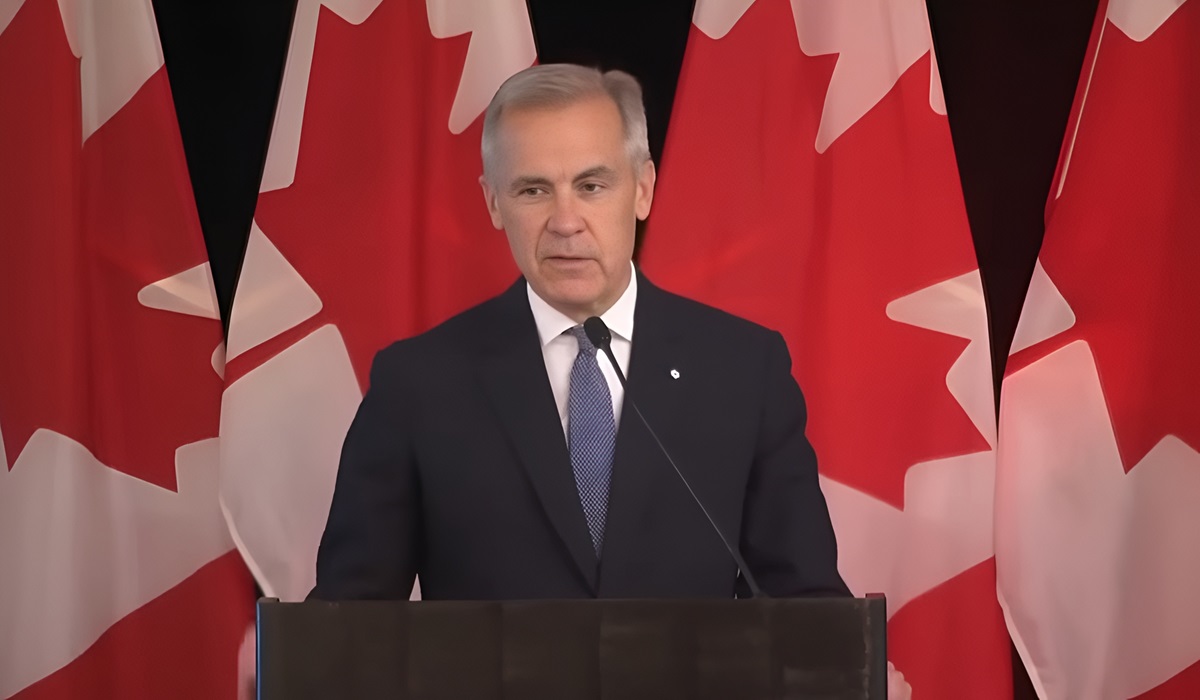
Transport Minister Steven MacKinnon announced the launch on March 3, signaling the beginning of the application process for the $5 billion Trade Diversification Corridors Fund and the $1 billion Arctic Infrastructure Fund. The programs are intended to support transportation systems that move goods across the country and to international markets, while also strengthening northern infrastructure that plays a growing role in economic development, sovereignty, and defence readiness.
Officials say the investment reflects a broader strategy to build resilience into the national economy. As global trade patterns shift and demand grows for natural resources, energy, and agricultural exports, modern transportation networks are increasingly seen as critical to maintaining competitiveness. By improving the flow of goods through ports, rail lines, roads, and intermodal hubs, the government hopes to reduce bottlenecks that have historically slowed exports and raised costs for industries across the country.
The larger of the two initiatives, the Trade Diversification Corridors Fund, will focus on expanding transportation infrastructure that enables exports to reach markets beyond the United States. For decades, the American market has absorbed the majority of the country’s exports, but policymakers increasingly see diversification as essential for long-term economic stability.
Under the program, funding will support projects that expand transportation capacity along key trade corridors, improve the efficiency of supply chains, and close infrastructure gaps that restrict regional economic growth. The goal is to enable exporters to move goods more easily toward overseas markets, particularly through ports and integrated transportation hubs that link rail, road, and maritime systems.
Government officials describe the fund as a systems-based approach to infrastructure planning. Rather than focusing solely on individual projects, the strategy emphasizes coordinated investments that strengthen entire transportation networks. In practice, that could mean bundling multiple projects across rail lines, highways, and port facilities in order to unlock broader trade capacity.
Another key objective is reducing congestion that has historically hindered economic activity. Overloaded transportation routes can delay shipments and increase costs for exporters, particularly in sectors such as mining, forestry, agriculture, and energy. By targeting these pressure points, the government hopes to improve the overall reliability of supply chains and allow producers to move goods more efficiently.
Alongside trade diversification efforts, the government is also placing renewed focus on infrastructure in the Arctic and northern regions. The newly launched Arctic Infrastructure Fund will support transportation projects designed to improve connectivity, economic development, and defence readiness across the North.
The program invites proposals from territorial governments, Indigenous governments and organizations, northern communities, and industry partners. Projects must be located in Yukon, the Northwest Territories, Nunavut, Nunavik, or Nunatsiavut.
Transportation infrastructure in the North faces unique challenges, including vast distances, harsh weather conditions, and limited year-round access routes. In many communities, essential goods arrive only by seasonal shipping or air transport, making supply chains fragile and expensive. Investments aimed at strengthening transportation links could improve access to food, medical supplies, and emergency services while also opening opportunities for economic growth.
Defence considerations also play a significant role in the initiative. As global attention increasingly turns toward Arctic resources and shipping routes, maintaining operational readiness in the region has become a strategic priority. Modern transportation corridors, ports, and logistics infrastructure allow defence forces to operate more effectively while also serving civilian needs.
Federal officials say the fund will emphasize projects that serve both defence and community purposes, creating dual-use infrastructure that strengthens northern economies while improving Canada’s ability to operate in the Arctic. These investments are expected to help close long-standing transportation gaps that have historically limited development across the region.
Indigenous participation is also central to the initiative. Government officials emphasized that First Nations, Inuit, and Métis partners are often best positioned to identify the priorities and infrastructure needs of their communities. The funding program is intended to support Indigenous-led solutions that improve transportation access while advancing reconciliation and long-term economic opportunity.
Both funding programs will use a flexible financing model designed to stretch federal dollars further. Contributions may include non-repayable funding, conditionally repayable financing, and repayable investments, depending on the nature of the project. The government also plans to work with institutions such as the Canada Infrastructure Bank to leverage additional financing and support larger infrastructure developments.
Transport Minister Steven MacKinnon described the programs as critical investments in national prosperity and connectivity. He said building a stronger transportation network will support economic growth, strengthen supply chains, and ensure communities across the country have the infrastructure needed to thrive.
Defence Minister David McGuinty emphasized the strategic importance of Arctic infrastructure, noting that reliable transportation networks strengthen operational readiness while supporting northern residents and the defence personnel stationed in the region. He said the investments are about ensuring communities remain connected and able to access essential services.
Northern and Arctic Affairs Minister Rebecca Chartrand highlighted the role of local leadership and Indigenous partnerships in shaping infrastructure priorities across the North. She said projects supported by the Arctic Infrastructure Fund will help reinforce sovereignty in the region while improving access to goods, services, and economic opportunities for northern communities.
With proposal calls now open, governments, communities, and industry partners across the country are being invited to submit infrastructure projects that align with the objectives of both funds. Transport Canada says full program details, including eligibility criteria and application timelines, are now available on its website.
The scale of the investment signals a long-term shift toward building transportation networks that support both economic expansion and national security. As global trade continues to evolve and northern regions gain strategic importance, federal officials believe stronger infrastructure will play a decisive role in shaping the country’s economic future.
About The Author