Opening the Door East: Canadians Step Into China Visa-Free for the First Time in a Generation
- TDS News
- Canada
- February 17, 2026
By: Donovan Martin Sr, Editor in Chief
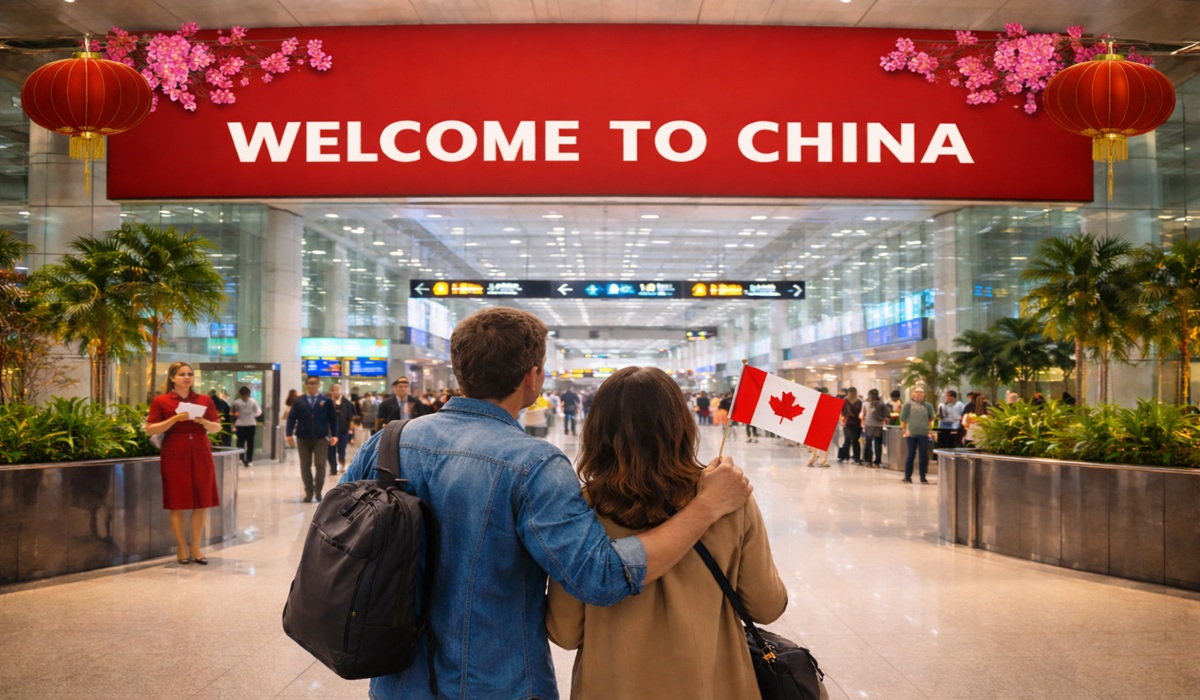
As of midnight on February 17, 2026, a quiet but meaningful shift has taken place in the relationship between Canada and China. Canadians can now travel to China visa-free for stays of up to 30 days, a change that would have seemed unlikely not long ago. For travelers, students, businesspeople, and families with roots on both sides of the Pacific, the move represents far more than convenience. It signals a reopening of doors, a softening of distance, and a chance for people to experience a country that, for many, has long felt both familiar and distant at the same time.
Until now, travelling to China required planning, paperwork, and patience. Applications, processing times, and uncertainty often discouraged spontaneous trips. The process itself created a kind of psychological barrier, reinforcing the idea that visiting was complicated or out of reach. Removing that barrier changes the tone completely. A 30-day visa-free window allows for exploration, business travel, cultural visits, and family reunions without the friction that once stood in the way. It makes the idea of going from Vancouver to Beijing or Shanghai feel as accessible as many other international destinations.
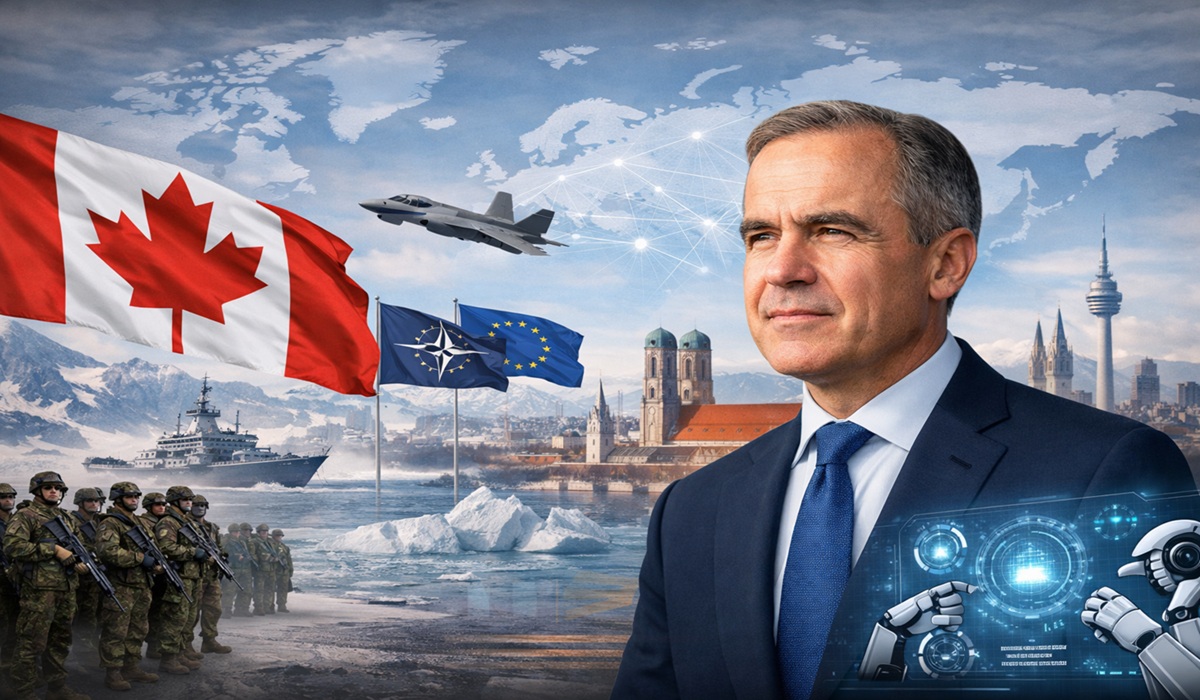
This shift did not happen by accident. It follows a period of renewed dialogue and high-level engagement, including the meeting between Canada’s Prime Minister and Chinese President Xi Jinping just over a month ago. Those conversations signaled an interest in rebuilding practical cooperation, even as differences remain. Policy decisions like this one rarely make loud headlines, yet they often carry long-term impact. When people are able to move freely, understanding tends to follow. When understanding grows, the tone of future conversations can change.
For many Canadians, the chance to travel more easily into China will be eye-opening in ways that go beyond tourism. It provides an opportunity to see firsthand how quickly parts of the country have developed. Visitors often notice the scale and pace of infrastructure, the prevalence of electric vehicles in major cities, the efficiency of high-speed rail networks, and the energy of urban centers that feel constantly in motion. The airports are vast and modern. Public transit moves at a speed that can surprise first-time travelers. In many places, the cleanliness and organization stand out immediately. These are not abstract concepts seen through a screen. They are things people can experience directly.
At the same time, exposure works in both directions. Just as Canadians may discover a more technologically advanced environment than they expected, Chinese travelers visiting Canada see a country that values space, diversity, and quality of life. Each place has its strengths. Each place has its challenges. Seeing both sides in person helps replace assumption with perspective.
For decades, many Western audiences have formed opinions about China largely through secondhand accounts. Media coverage plays a role in shaping those views, as it does in every country. The same can be said of how other parts of the world perceive Canada. Stereotypes, oversimplifications, and exaggerated narratives exist everywhere. Some people abroad still carry cartoonish images of Canadians living in snowbound isolation or spending their days in remote wilderness. Anyone who has spent time in cities like Toronto, Vancouver, or Montreal knows how far that is from reality. It is the same dynamic that happens in reverse. Distance allows misconceptions to grow.
The significance of visa-free travel lies in the chance to cut through that distance. When people walk through a city, ride public transit, sit in cafés, and talk to residents, they begin to build their own impressions. They see the pace of daily life. They notice the cultural differences and the shared human experiences. They learn what feels familiar and what feels entirely new. It becomes harder to rely on secondhand narratives when you have seen something for yourself.
There are regions that have drawn attention and debate in recent years, and some travelers will undoubtedly be curious to visit and understand those places more clearly. That kind of firsthand experience can add depth to conversations that often feel distant and abstract. It does not mean every question will be answered or every concern resolved. No country is perfect. Canada has its own ongoing challenges. China has its own. The United States has its own. What matters is the opportunity for people to witness, learn, and form balanced opinions rooted in direct experience rather than assumption alone.
Economically, the impact could be meaningful. Tourism has always been one of the most human forms of diplomacy. More Canadians traveling to China means more cultural exchange, more business opportunities, and more shared understanding. It also opens the door for reciprocal growth, as easier movement can strengthen relationships across industries, education, and trade. Families separated by oceans may find it easier to reconnect. Students may find it easier to explore academic opportunities. Entrepreneurs may discover new partnerships.
Beyond the numbers, there is a quieter benefit that may matter even more. When people cross borders without barriers, curiosity replaces caution. Conversations begin. Friendships form. Perceptions shift. Over time, those small human moments can influence how nations see each other.
This visa-free policy is not about painting a perfect picture of any country. It is about acknowledging that connection matters. It gives Canadians a chance to see a society that has changed dramatically in a short period of time. It gives them a chance to compare, reflect, and think about where Canada stands in its own development. It also allows Chinese communities to welcome visitors and share the complexity of their country beyond headlines.
In the end, the significance of this moment is not just in the policy itself, but in the mindset it encourages. Travel invites questions. It challenges assumptions. It reminds people that the world is larger and more layered than any single narrative can capture. And sometimes, the simple act of opening a door can lead to a deeper understanding on both sides.
About The Author