Oceans in Transition: The Slow Breakdown of Climate’s Engine
- Xuemei Pal
- Trending News
- Climate Change
- April 2, 2026

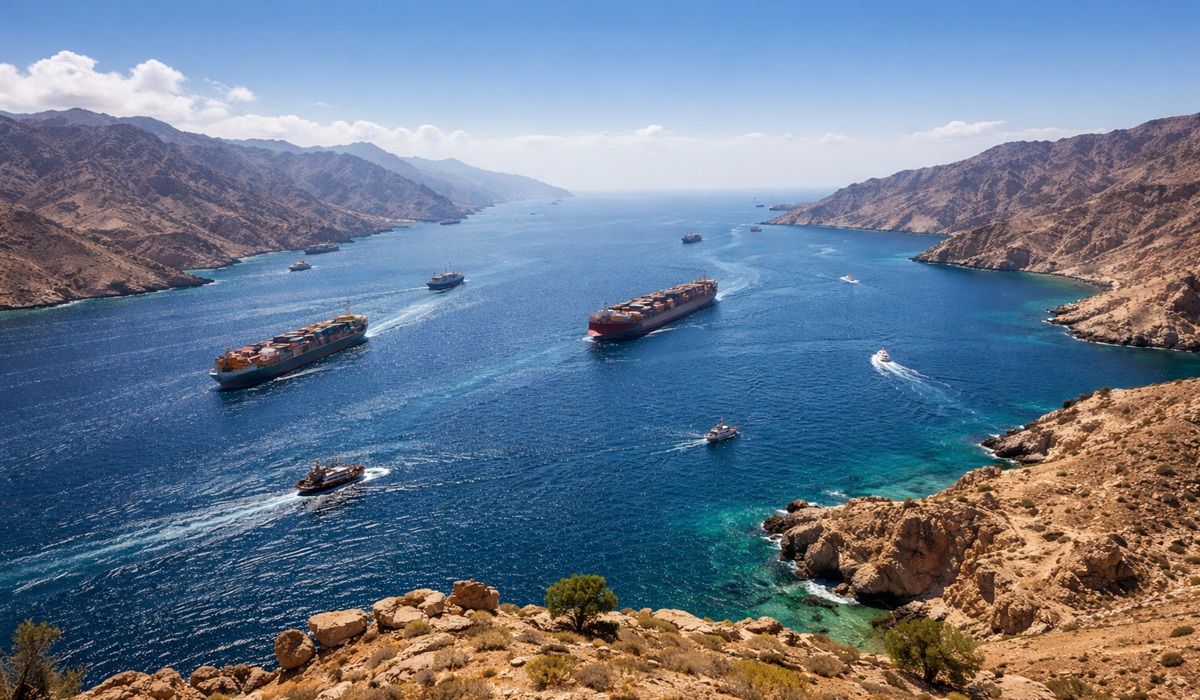
Image credti, 종덕 지
The world’s oceans are often described as the planet’s climate engine, quietly absorbing heat, redistributing energy, and sustaining life on a scale that is difficult to fully grasp. But that engine is no longer running as smoothly as it once did, and the changes unfolding beneath the surface are becoming harder to ignore.
One of the most pressing concerns is the stability of major current systems. The Atlantic circulation, for example, plays a critical role in regulating temperatures across vast regions. By moving warm water northward and cooler water southward, it helps maintain a delicate balance that many climates depend on. When that balance shifts, the consequences ripple far beyond the water itself.
There is increasing evidence that parts of this system are weakening. Shifts in temperature and salinity, driven by melting ice and rising freshwater input, are beginning to alter the forces that keep these currents moving. A full collapse is not expected in the immediate future, but even a slowdown carries consequences that are already being felt.
Europe offers a clear example. Its relatively mild winters, especially compared to other regions at similar latitudes, are largely tied to these circulation patterns. If that system weakens further, colder conditions could emerge alongside broader disruptions to established weather patterns.
At the same time, rising temperatures beneath the surface are placing enormous stress on marine ecosystems. Coral reefs are among the most vulnerable. Once thriving with life and color, many are now experiencing repeated bleaching events that leave them weakened or, in some cases, beyond recovery.
When reefs cross certain thresholds of stress, their ability to rebound becomes limited. That loss extends beyond marine biodiversity. Coastal communities depend on these ecosystems for food, tourism, and natural protection against storms, making their decline both an environmental and economic concern.
Another layer of pressure is coming from acidification. As carbon dioxide dissolves into seawater, it alters the chemistry in ways that make it harder for organisms like corals and shellfish to form their structures. This is not a sudden shift, but a gradual one that quietly disrupts entire food chains over time.
What makes these tipping points especially difficult to grasp is their scale and distance from everyday life. Much of what is happening occurs far from view, beneath vast stretches of water that most people will never see firsthand. Yet the impacts are anything but remote. They shape weather systems, influence food security, and affect economic stability across the globe.
For decades, the oceans have acted as a buffer, absorbing excess heat and carbon that would otherwise accelerate warming on land. But that role comes with limits. As the system absorbs more than it can comfortably handle, the risk of crossing critical thresholds becomes more real.
What happens beneath the surface does not stay there. It influences the climate we experience every day, from shifting storm patterns to prolonged droughts. And as these changes continue to unfold, the stability that has defined modern climate conditions is becoming less certain, replaced by a future that is far more unpredictable.
About The Author