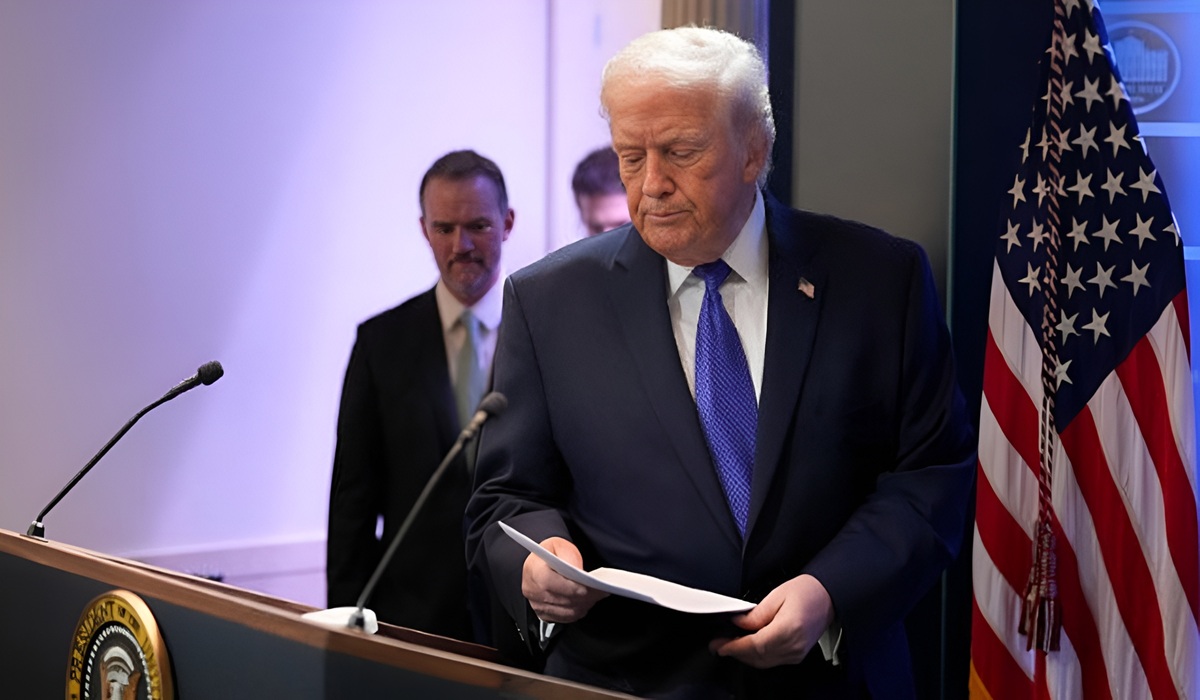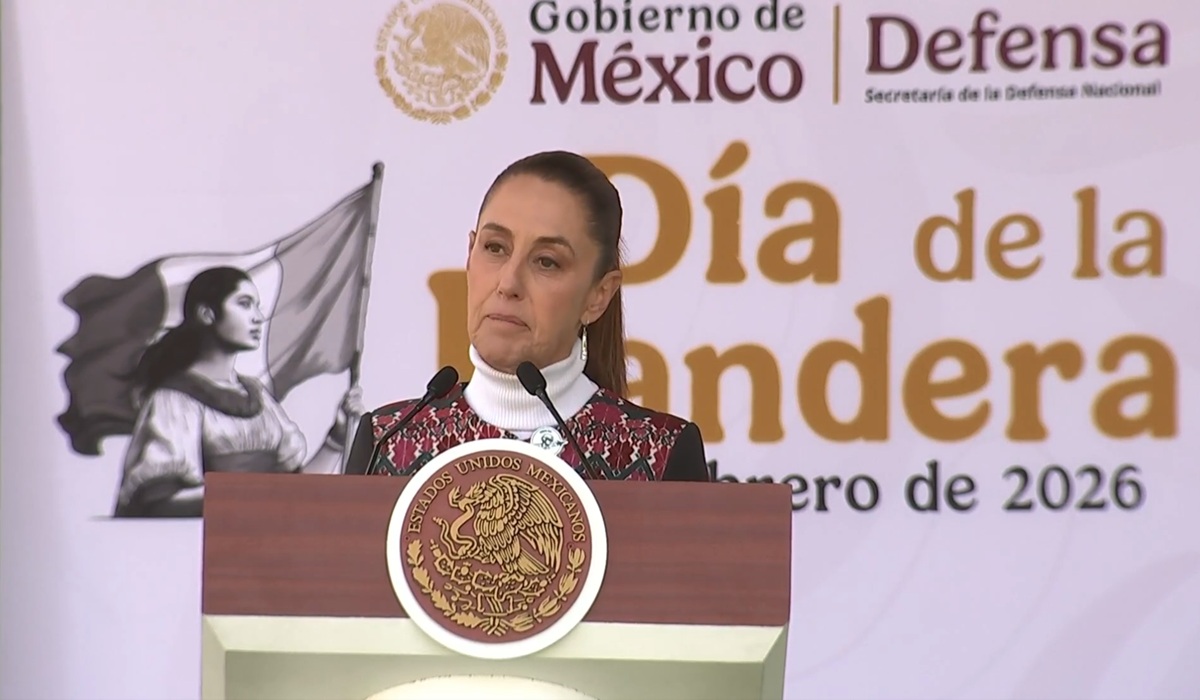
Mexico faces a complex security landscape shaped by powerful cartels that operate with resources rivaling small militaries. Recent violence has reignited debate over how the country should respond and what role international actors play in regional stability.
Some voices speculate about whether outside interventions weaken or destabilize internal governance. Such claims require careful examination. Security dynamics in Mexico are driven by decades of organized crime networks, corruption challenges, economic disparities, and cross-border drug demand. Simplifying the issue to a single external cause overlooks the structural roots of the crisis.
Comparisons are frequently drawn to El Salvador’s aggressive crackdown under President Nayib Bukele. His administration’s mass arrests and expanded prison system dramatically reduced visible gang activity, though critics question civil liberties implications. Whether Mexico could adopt a similar strategy remains uncertain. The country’s size, federal structure, and entrenched cartel networks create a different environment.
Policy shifts would require balancing public safety with constitutional protections. Any approach must also address economic opportunity and institutional reform. The coming years will likely test Mexico’s ability to combine enforcement with long-term social investment.
There is also a regional dimension. Trade relationships, migration flows, and shared borders mean that security decisions ripple outward. International cooperation on intelligence, financial tracking, and arms trafficking may prove just as critical as domestic enforcement campaigns.
Ultimately, stability depends on restoring citizen confidence. Communities caught between cartel influence and state authority need assurance that institutions can protect them fairly and consistently. Without that trust, even the most forceful strategies risk becoming temporary fixes rather than lasting solutions.
The scale of cartel influence complicates direct comparisons to smaller nations. Mexico’s diverse regions experience varying levels of violence and economic dependency on industries that intersect with organized crime. A uniform approach may not address localized realities.
The question moving forward is not only how forcefully the state responds, but how comprehensively it reforms institutions. Sustainable security will likely depend on judicial integrity, economic alternatives for vulnerable communities, and sustained international cooperation rather than a single sweeping measure.
About The Author