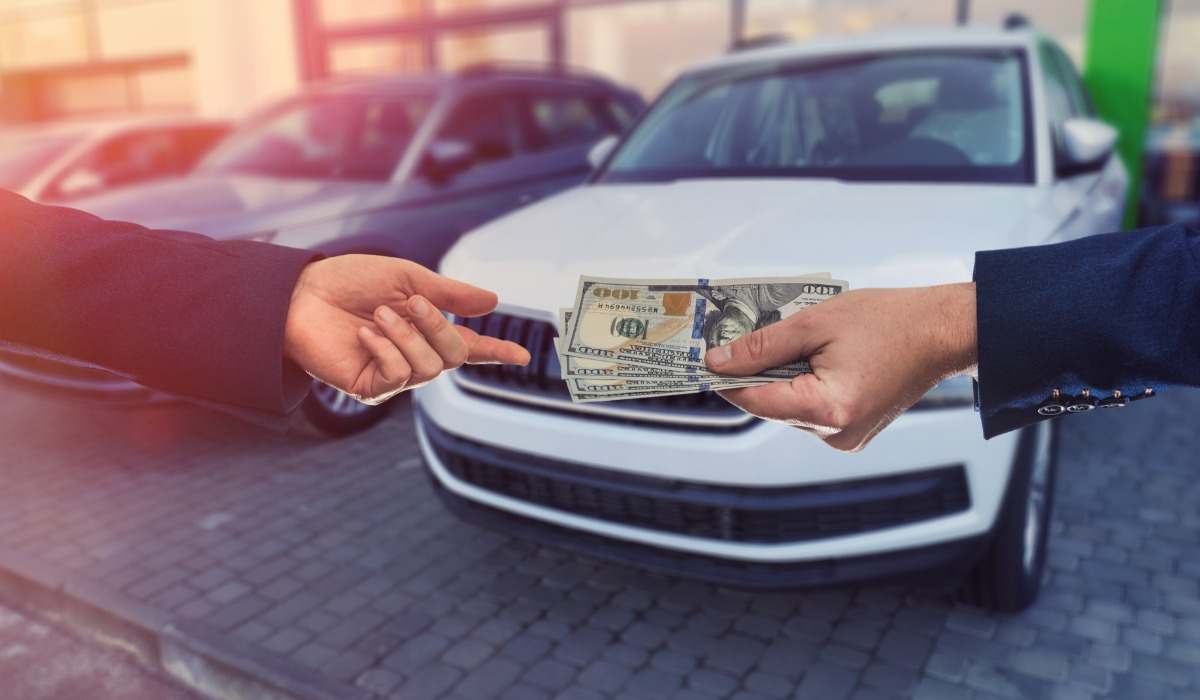
Selling your car is more than just handing over the keys and accepting the first offer that comes your way. Whether you are upgrading to something new or simply cashing in on an asset, maximizing value when you’re selling your car requires preparation, timing, and a bit of strategy. From understanding your car’s true worth to choosing the right selling method, every step plays a role in how much money you ultimately walk away with.
Understanding Your Car’s Market Value
Before listing your vehicle or entertaining offers, it is essential to have a clear understanding of what your car is worth. Many sellers either undervalue their car due to lack of research or overprice it based on emotional attachment. Neither approach works in your favor.
Start by researching similar vehicles in your area. Pay attention to mileage, condition, trim level, and any additional features that might influence pricing. Online valuation tools can provide a useful baseline, but local listings often offer a more accurate picture of what buyers are actually willing to pay. Knowing this range gives you a strong starting point for negotiations and helps you avoid leaving money on the table.
Preparing Your Car for Sale
First impressions matter more than most sellers realize. A well-maintained vehicle signals to buyers that the car has been cared for, which can justify a higher asking price. Taking the time to prepare your car properly often results in a faster sale and stronger offers.
Begin with a thorough cleaning inside and out. Professional detailing can be worth the investment, especially if your car has visible wear. Address minor cosmetic issues such as scratches or worn-out floor mats. While you may not want to invest in major repairs, small fixes can significantly improve perceived value.
Documentation also plays a key role. Having maintenance records readily available reassures buyers and can set your listing apart. It shows transparency and builds trust, both of which are critical during the selling process.
Timing the Sale for Maximum Return
Timing can influence how much buyers are willing to pay. Demand for certain types of vehicles fluctuates throughout the year. For example, convertibles often sell better in warmer months, while all-wheel-drive vehicles gain attention as winter approaches.
Market conditions also matter. If there is a shortage of used vehicles or higher demand in your area, you may be able to command a better price. Conversely, selling during a saturated market may require more competitive pricing. Paying attention to these trends can help you choose the right moment to list your car.
Choosing the Right Selling Method
One of the most important decisions you will make is how to sell your car. Each method comes with its own advantages and trade-offs, and the right choice depends on your priorities.
Selling privately often yields the highest return, as there is no middleman taking a cut. However, it requires more effort, from creating listings to handling inquiries and meeting potential buyers. Trade-ins at dealerships are more convenient but typically offer less money in exchange for speed and simplicity.
Online car-buying platforms provide a middle ground. They offer relatively quick transactions with less hassle than private sales, though prices may still fall below what you could achieve independently. Understanding these options allows you to align your approach with your goals, whether that is maximizing profit or minimizing effort.
For some sellers, auctions present a compelling alternative to traditional methods. Car auctions can be particularly effective if your vehicle is in high demand or has unique appeal that might attract competitive bidding. But to get the most, you have to know how to make your vehicle stand out at auction; the more appealing it looks, the more likely people will start a bidding war over it.
Crafting a Strong Listing
If you decide to sell your car privately, your listing becomes your primary sales tool. A well-written listing can attract serious buyers and reduce time spent answering basic questions.
Clear, high-quality photos are essential. Include multiple angles of the exterior, interior shots, and close-ups of key features. Honesty is just as important. Highlight your car’s strengths, but also be upfront about any flaws. Transparency helps build trust and prevents wasted time with buyers who might otherwise walk away later.
Your description should be concise but informative. Mention mileage, service history, recent upgrades, and any standout features. Avoid exaggeration and focus on facts that matter to potential buyers.
Negotiating with Confidence
Negotiation is often where sellers either secure a strong deal or lose value. Buyers will almost always attempt to negotiate, so it is important to approach these conversations with confidence and preparation.
Start with a price slightly above your target to leave room for negotiation. Be firm but reasonable when responding to offers. If a buyer points out legitimate issues, acknowledge them while reinforcing your car’s overall value. Remaining calm and professional throughout the process can make a significant difference in the final outcome.
It is also wise to set a minimum acceptable price before negotiations begin. This helps you avoid making decisions based on pressure or emotion in the moment.
Closing the Deal Smoothly
Once you have agreed on a price, the final step is ensuring a smooth and secure transaction. Proper documentation protects both you and the buyer and helps avoid complications down the line.
Prepare a bill of sale that includes all relevant details, such as the vehicle identification number and date of transaction. Depending on your location, you may also need to complete title transfer paperwork and notify your local motor vehicle department.
Payment method is another important consideration. Cash or verified bank transfers are generally the safest options. Be cautious of unusual payment requests or buyers who seem reluctant to follow standard procedures.
Taking these steps seriously ensures that the sale is completed without unnecessary stress or risk.
Get the Most Out of Your Car
Maximizing the value of your car sale is a process that rewards preparation and thoughtful decision-making. From understanding market conditions to choosing the right selling method, each step contributes to your overall success.
By presenting your car in its best light, pricing it strategically, and navigating negotiations with confidence, you position yourself to achieve the best possible outcome. Whether you opt for a private sale, a dealership trade-in, or an auction, the effort you invest upfront will directly influence your final return.
About The Author