Mass Shooting in Tumbler Ridge: A Community in Mourning After Unthinkable Loss
- TDS News
- Breaking News
- February 11, 2026
By: Donovan Martin Sr, Editor in Chief
The quiet northern community of Tumbler Ridge, British Columbia, is struggling to come to terms with a tragedy that has shaken the country to its core. What unfolded there on February 10, 2026, is the kind of event people often believe happens somewhere else, in another place, under different circumstances. Instead, it happened in a small Canadian town where families know one another, where schools are central to daily life, and where the sense of safety has long been part of the identity of the community itself.
Authorities have confirmed that nine people lost their lives and dozens more were injured in a mass shooting that took place at Tumbler Ridge Secondary School and at a nearby residence connected to the suspect. The RCMP later identified the alleged perpetrator as Jesse Van Rootselaar, an 18 year old local resident. Investigators have stated that he acted alone, and while they have begun to piece together his movements and background, they have not publicly confirmed a motive. The process of understanding why this happened is still unfolding, and officials have been careful not to speculate as they continue to gather evidence and speak with witnesses.
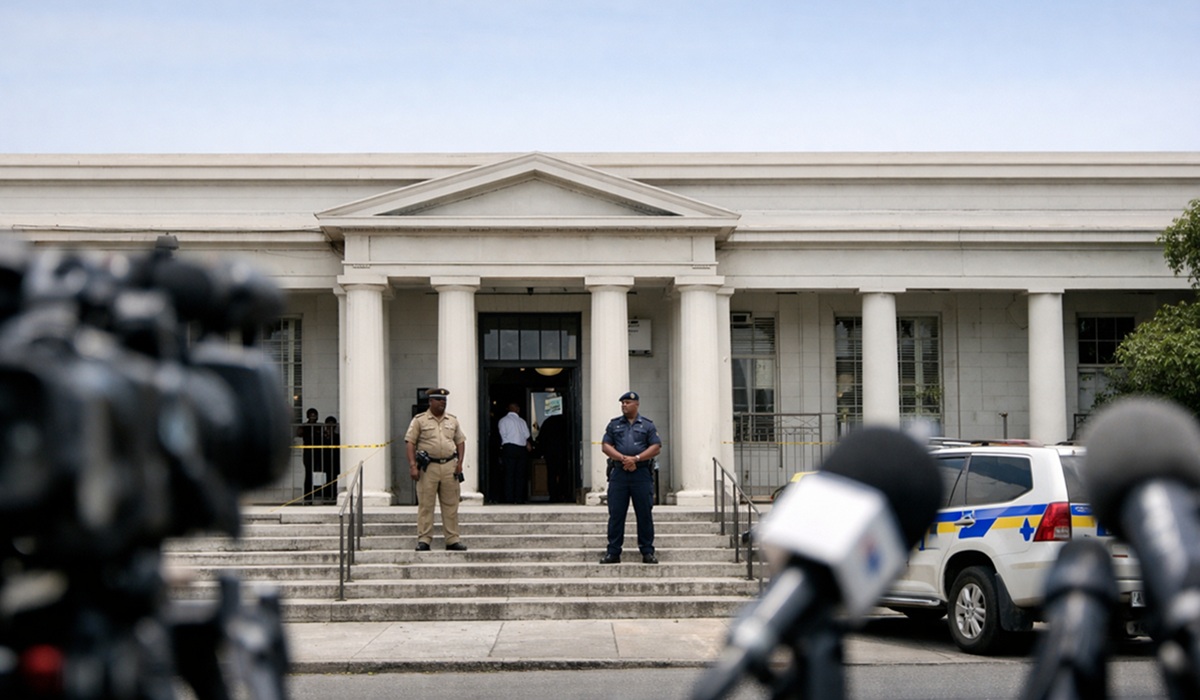
In the immediate aftermath, emergency responders rushed to the scene and began treating the injured, many of whom were students. Some were taken to hospitals for further care, while others were treated locally. For a town of this size, the scale of the response was overwhelming. Sirens, flashing lights, and the presence of emergency crews quickly replaced what should have been an ordinary school day. Parents were left waiting for news. Friends searched for one another. The uncertainty in those early hours added another layer of pain to an already devastating situation.
RCMP have acknowledged that the suspect had previous contact with police related to mental health concerns at the family home. Those details are now part of a broader investigation that will likely examine every point of interaction, every missed signal, and every possible moment where intervention might have made a difference. At this stage, however, authorities are focused on supporting the victims and their families while continuing to determine exactly what led to the violence.
The tragedy prompted a swift national response. Prime Minister Mark Carney addressed the country with a tone of deep sorrow, announcing that flags on federal buildings would be lowered to half mast for seven days in memory of the lives lost. His message was one of mourning and solidarity, emphasizing that the entire nation stands with the people of Tumbler Ridge. British Columbia Premier David Eby also spoke publicly, calling the event an unimaginable tragedy and promising that the province would provide every possible support to the community as it begins the long process of healing.
For many Canadians, the shock is tied to a shared belief that such incidents are rare here. That sense of security is part of the national identity, and when something like this happens, it creates a deep emotional rupture. People begin asking difficult questions. How could this happen. Could it have been prevented. What signs were missed. Those questions will likely be studied for months and years to come, not just by investigators, but by policymakers, educators, and communities across the country.
In Tumbler Ridge, the focus now is not on policy debates or national reflection, but on grief. Classrooms sit quiet. Homes are filled with visitors offering comfort. The names of those lost are being spoken in hushed voices, each one representing a life that mattered deeply to someone. In a town where everyone is connected in some way, the impact is personal and immediate. It touches teachers, neighbours, parents, and friends all at once.
This is the part that statistics can never capture. Behind every number is a family trying to process a loss that feels impossible. Behind every injury is someone who will carry the memory of that day for the rest of their life. Communities like Tumbler Ridge do not just recover overnight. Healing takes time, patience, and care. In moments like this, the country is reminded that strength is not found in pretending such events cannot happen, but in how people come together afterward.
As the investigation continues, more details will emerge. Questions will be answered slowly, and some may never be fully resolved. For now, the priority remains supporting the victims, honouring those who were lost, and allowing a grieving community the space to mourn. In a place known for its quiet resilience, that process has already begun.
About The Author