Mass Evacuation Orders in Lebanon Displace 300,000 as Humanitarian Crisis Deepens
- Hami Aziz
- Breaking News
- Middle East
- March 10, 2026
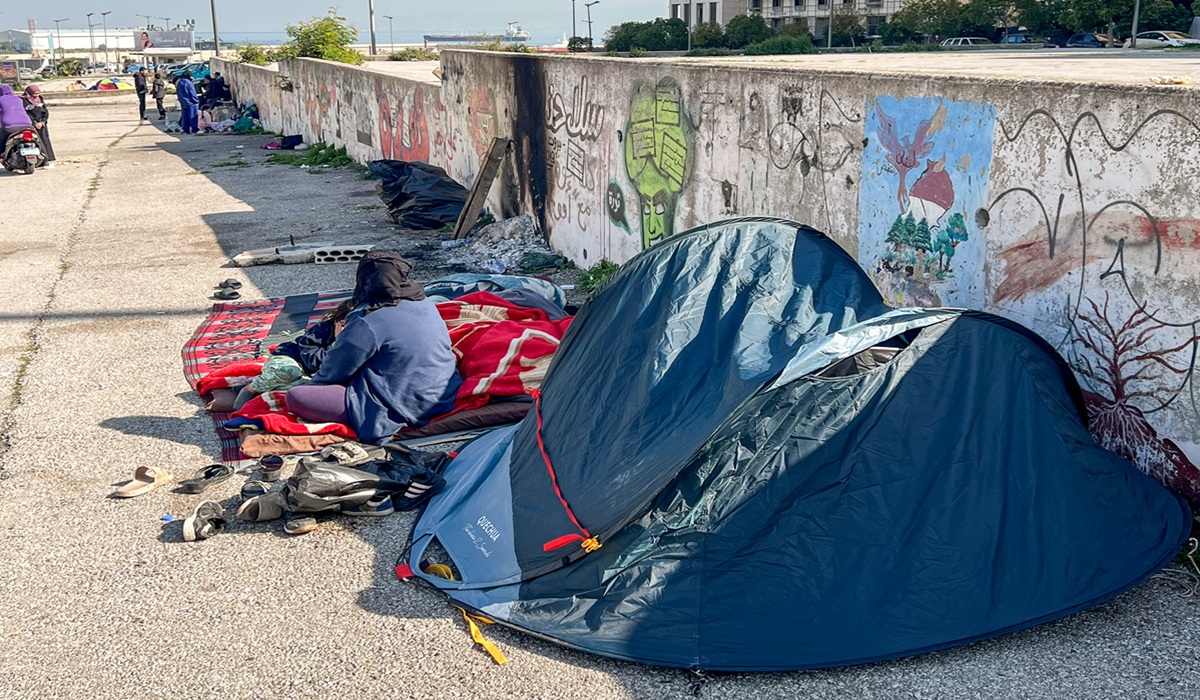
A rapidly escalating conflict between Israel and Hezbollah has triggered a massive wave of displacement across Lebanon, forcing hundreds of thousands of civilians to flee their homes within a matter of days. Humanitarian organizations warn that the situation is deteriorating quickly and could soon develop into one of the most severe crises the country has faced in recent years.
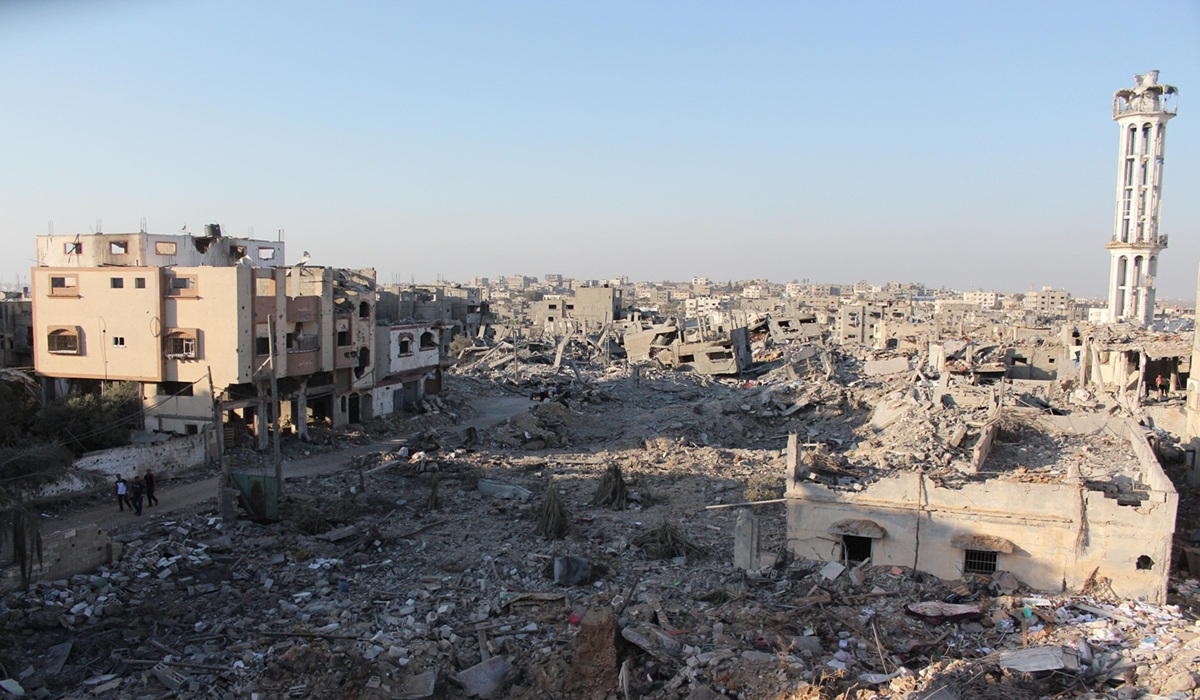
The Norwegian Refugee Council (NRC) reports that at least 300,000 people have already been displaced in less than one hundred hours following a series of Israeli airstrikes and sweeping evacuation orders. The attacks began after Hezbollah launched rockets toward northern Israel, prompting a wide-scale military response that has struck multiple regions of Lebanon, including South Lebanon, the Bekaa Valley, and the southern suburbs of Beirut.
Israel’s evacuation orders have covered hundreds of villages across southern Lebanon and extended into other populated regions of the country. Humanitarian officials warn that if the orders remain in place or expand further, the number of displaced civilians could surpass one million people. Entire communities are now on the move, with families leaving homes in the middle of the night as explosions and warning messages spread fear across already vulnerable areas.
Maureen Philippon, the NRC’s country director in Lebanon, described the unfolding situation as devastating for civilians who had only recently begun rebuilding their lives after previous rounds of violence. Many families, she said, fled their homes with almost no time to gather belongings. In numerous cases, people escaped with nothing more than the clothes they were wearing. For communities that have endured repeated displacement over the past two years, the renewed violence has reopened deep wounds and uncertainty about the future.
Lebanese authorities report that more than one hundred people have been killed since the escalation began earlier in the week, while at least 638 others have been injured. Government officials have also recorded more than 529 Israeli attacks across different parts of the country since the air campaign intensified.
For those forced to flee, the reality on the ground is grim. Thousands of displaced families have crowded into emergency shelters set up in public buildings, particularly schools that have been converted into temporary housing. According to Lebanon’s Disaster Risk Management Unit, more than 95,000 people are currently staying in these collective shelters. Many others have been unable to find space and are sleeping in cars, parking lots, or roadside areas while searching for a safer destination.
Some families have managed to find refuge with relatives or friends, often squeezing into already crowded apartments where living rooms and children’s bedrooms have become makeshift sleeping quarters. The strain on communities hosting displaced people is growing rapidly as resources become stretched and basic necessities become harder to secure.
One woman identified only as Zainab described the moment her family fled their home in southern Lebanon. She said it was around three in the morning when they made the decision to leave after hearing the strikes intensify nearby. There was no time to pack clothing or belongings. Her family focused only on getting the children into the car and driving away from danger.
Humanitarian groups have raised serious concerns about the legality and consequences of the evacuation orders. International humanitarian law prohibits the forced transfer of civilian populations unless there is a clear and imperative military necessity. Aid organizations argue that the current orders cover vast civilian areas and do not appear to include guarantees of safe passage or adequate support for those fleeing.
The situation is particularly troubling for children. With schools now functioning as emergency shelters rather than places of learning, education has been severely disrupted. Many children who have already experienced displacement and trauma are once again facing instability, fear, and uncertainty about where they will live in the coming weeks.
Aid workers warn that the psychological impact of repeated displacement cannot be understated. Families that were still recovering from previous waves of violence now find themselves uprooted again, forced into survival mode while the future of the conflict remains unclear.
In response to the crisis, humanitarian organizations have begun emergency operations to assist displaced communities. The Norwegian Refugee Council is distributing essential supplies including mattresses, blankets, pillows, and hygiene kits to help families cope with the immediate aftermath of displacement. Aid groups are also attempting to secure safe shelter spaces, ensure privacy for women and families, and provide additional support to vulnerable individuals, including people living with disabilities.
Despite these efforts, humanitarian agencies warn that assistance will struggle to keep pace if the displacement continues to grow at its current rate. The coming days are considered critical for ensuring that displaced people have safe shelter, food, sanitation, and protection from further harm.
The current escalation follows the collapse of a fragile ceasefire agreement that had taken effect in November 2024 between Israel and Hezbollah. Since then, thousands of violations along the border region known as the Blue Line have been reported by international observers. Even before the latest wave of violence, more than 64,000 people remained displaced from earlier fighting that began in September 2024.
Tensions intensified again on March 2, 2026, when missiles were launched from southern Lebanon toward northern Israel. Israel responded with multiple waves of airstrikes targeting areas across Lebanon, dramatically escalating the conflict and triggering the widespread evacuation orders now affecting hundreds of thousands of civilians.
Humanitarian organizations are urging all parties involved in the conflict to immediately de-escalate hostilities and comply with international humanitarian law. They are also calling on governments with diplomatic influence in the region to use their leverage to protect civilians and work toward a pathway that can bring the violence to an end.
For the hundreds of thousands of families now on the move across Lebanon, the crisis is no longer an abstract geopolitical conflict. It has become a daily struggle for safety, shelter, and survival. As the situation continues to unfold, aid workers warn that without urgent action, the humanitarian toll could grow far beyond the already staggering numbers now emerging from the ground.
About The Author