By Donovan Martin Sr, Editor in Chief
To imagine life under occupation is to attempt to understand a daily existence shaped by forces that most people will never encounter. For Palestinians, this reality has defined generations. It is not a temporary inconvenience or an unpredictable crisis but a decades-long condition in which control is woven into the fabric of life. The occupation is not simply a political situation; it is a system that governs movement, access, identity, and opportunity. It writes itself into the routines of waking up, going to school, going to work, and returning home—and it does so with an ever-present sense of uncertainty.
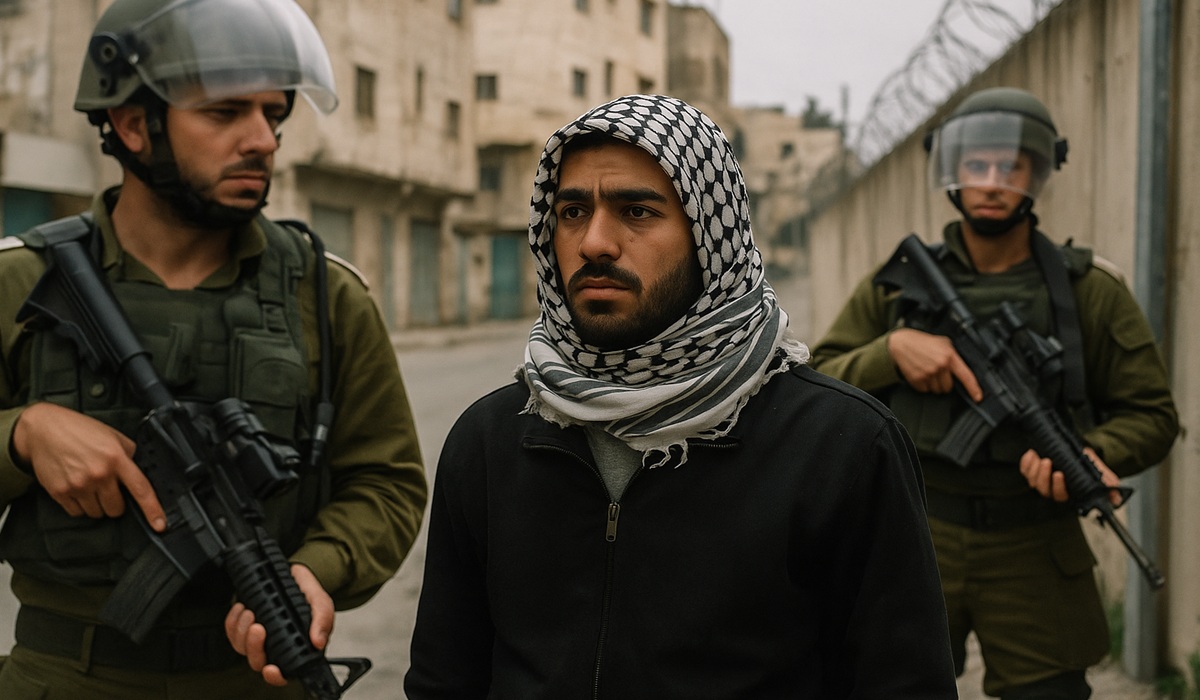
A checkpoint is not just a military installation. It is a reminder that freedom of movement is a privilege, not a right. A journey that should take ten minutes can stretch into hours. The smallest decisions—attending a wedding, visiting a sick relative, rushing a child to a hospital—become logistical battles shaped by permit stamps and the disposition of armed soldiers. People live with the constant understanding that their day depends on forces beyond their control, and that a delay, denial, or confiscation can occur without explanation. And this uncertainty, accumulated over decades, settles into the psyche like a persistent weight.
Access to land and resources, which should be the foundation of any community’s stability, becomes a political puzzle with shifting rules. Farmers watch settlements expand over hillsides where their families once harvested olives. Water sources can be diverted or restricted. Roads can be blocked. Farmland can be rezoned or seized. People who once lived with deep connection to their land now navigate a reality in which that very connection is controlled by an occupying force. The occupation is not only about territory; it is about the erosion of agency, the loss of control over one’s own future.
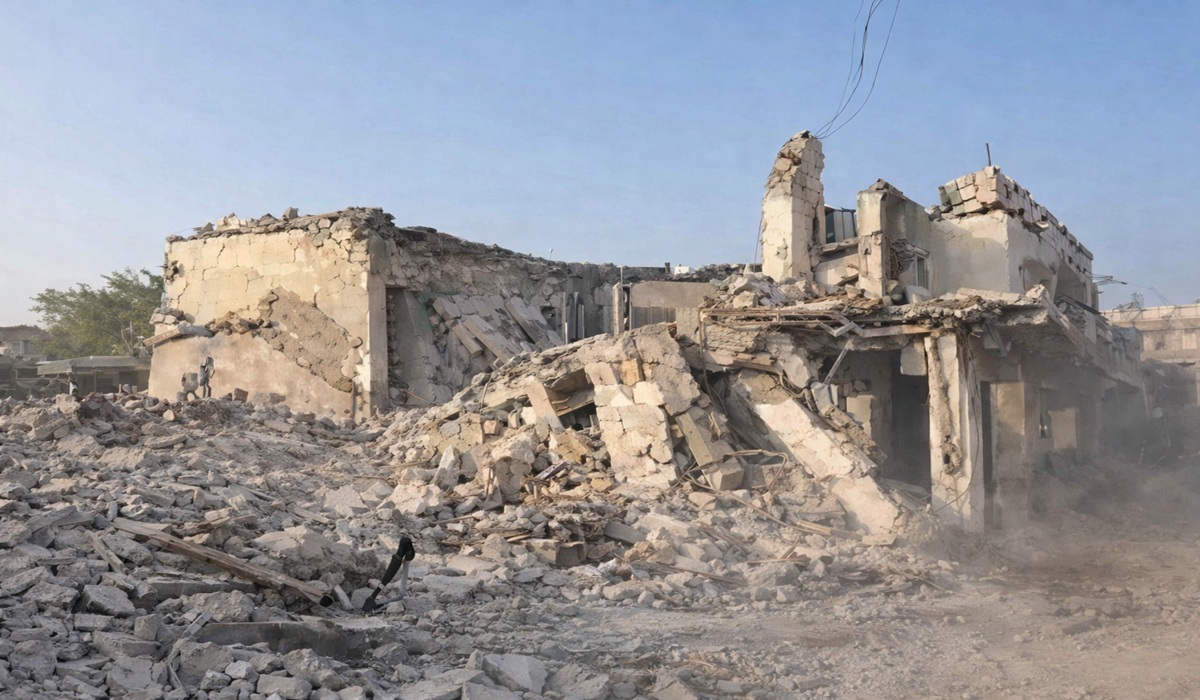
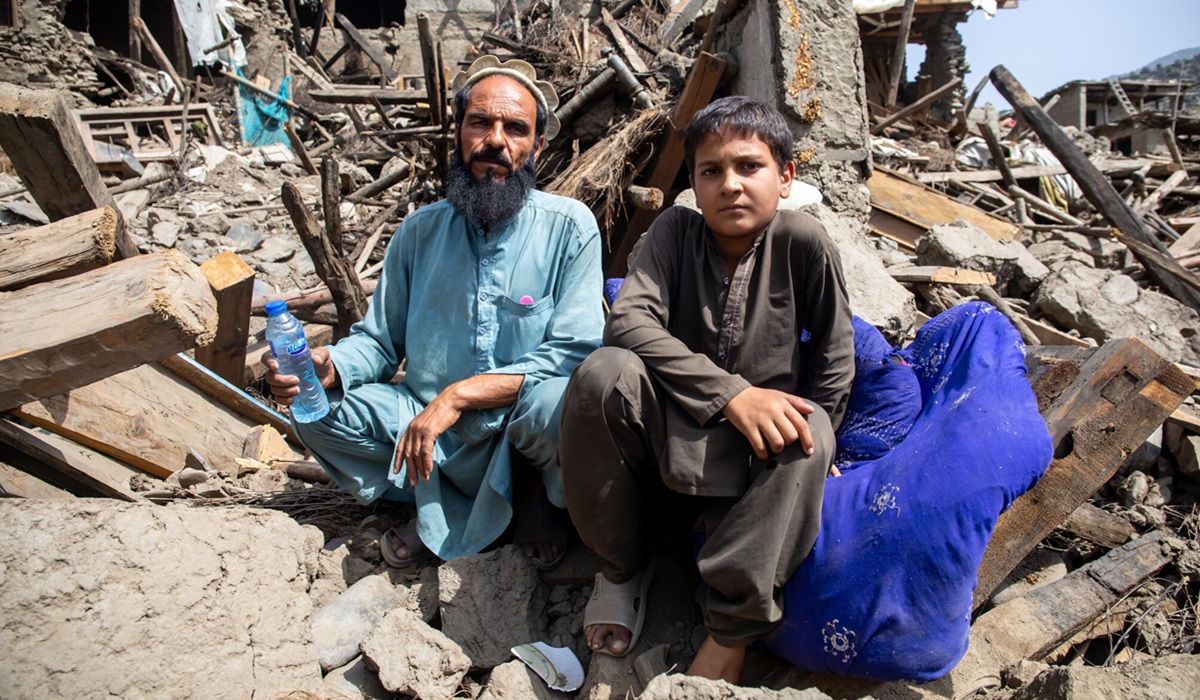
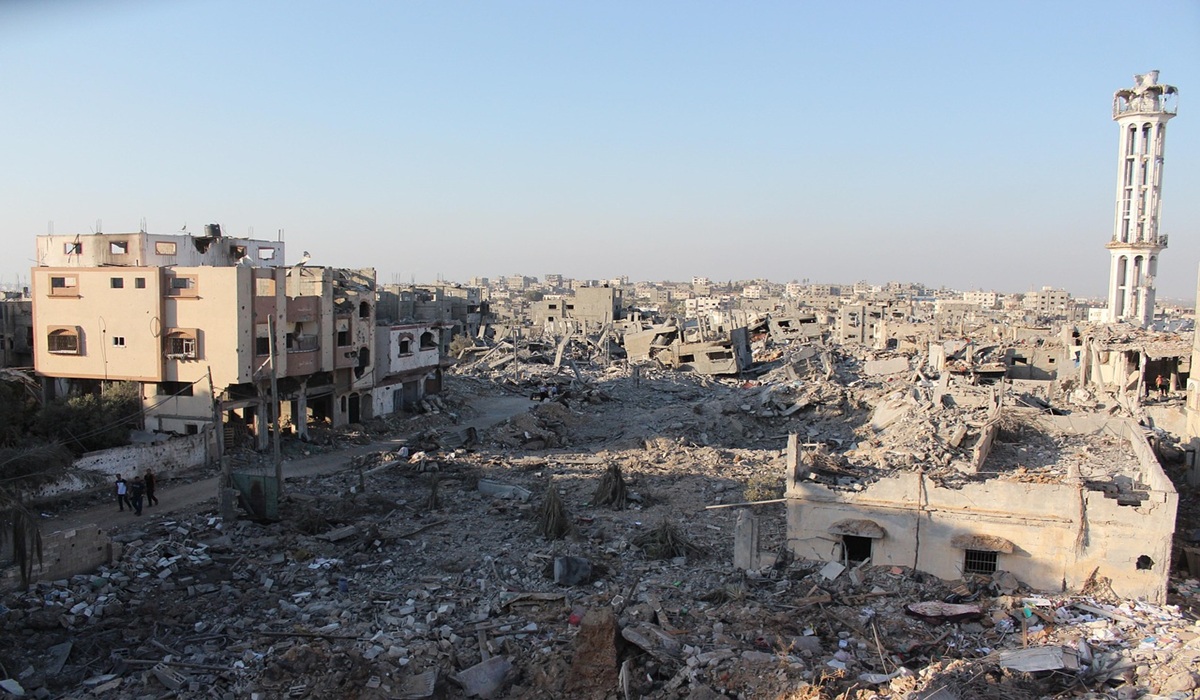
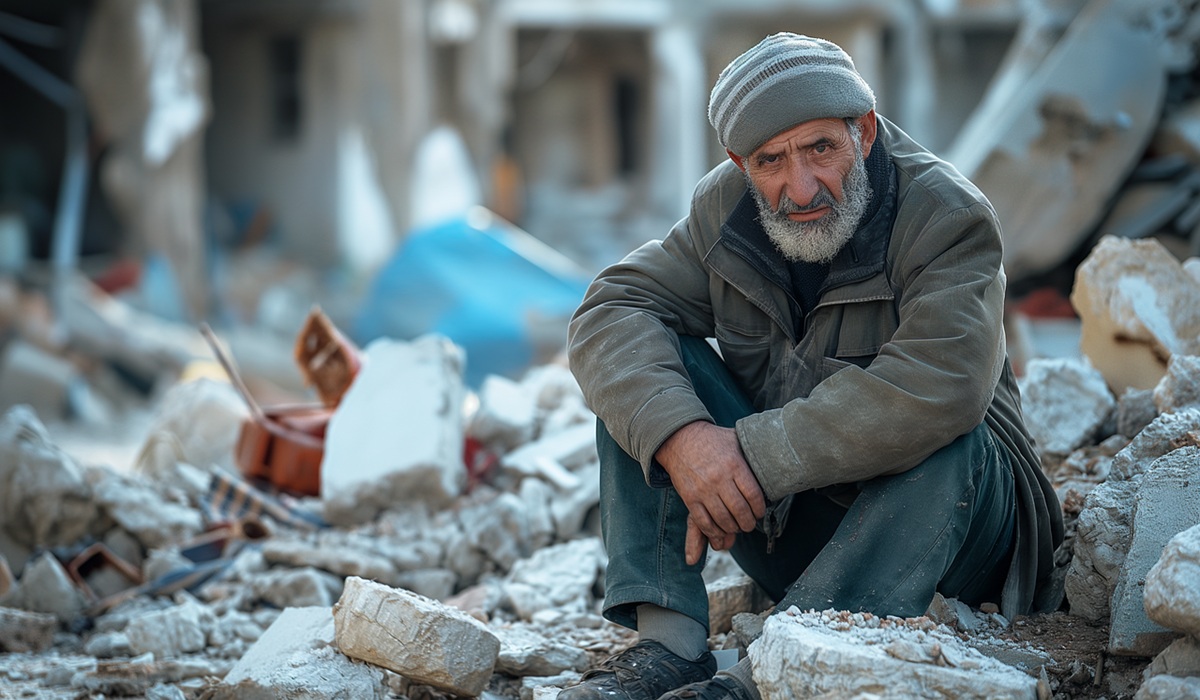
Describing Gaza as an open-air prison is not exaggeration. It is a reflection of conditions in which millions live confined to a narrow strip of land, cut off from the world, unable to leave without rare permission. Life is lived under blockade, where the economy collapses repeatedly, where resources fluctuate unpredictably, and where entire communities endure cycles of destruction and rebuilding. This has been the backdrop of life not for months, but for decades. A child born today inherits a reality shaped long before their birth, yet one that still dictates the limits of their dreams.
Yet amid this suffocating environment, Palestinians continue to embody resilience that defies the constraints placed upon them. They fall in love, raise children, celebrate milestones, and cultivate humor and culture. They take joy where they can, even when life is fraught. The occupation has produced unimaginable hardship, but it has not extinguished the human spirit of those living under its pressure. That duality—the simultaneous presence of suffering and endurance—is often lost in global conversations that reduce an entire people to political symbols.
The deeper tragedy is the world’s normalization of this condition. Many speak of the occupation as though it were permanent, inevitable, or too complex to resolve. But complexity is not justification, and long duration does not make injustice legitimate. What Palestinians endure daily should challenge the conscience of anyone who believes in equality, dignity, or the basic rights of human beings. And yet the conversation is often muted, overshadowed by geopolitical calculations and the fear of political backlash. The silence of global powers becomes another layer of the occupation itself, reinforcing the sense that the world sees but will not act.
Understanding life under occupation requires more than political knowledge. It requires empathy—the willingness to imagine, however imperfectly, a life where the simplest freedoms must be negotiated. And it requires an acknowledgment that no people should be asked to live indefinitely under conditions that deny them the dignity and autonomy that others take for granted. The weight Palestinians carry is not their burden to justify; it is the world’s responsibility to confront.
About The Author