Karot Hydropower Project: a success story
- Naveed Aman Khan
- Trending News
- South Asia
- February 25, 2026
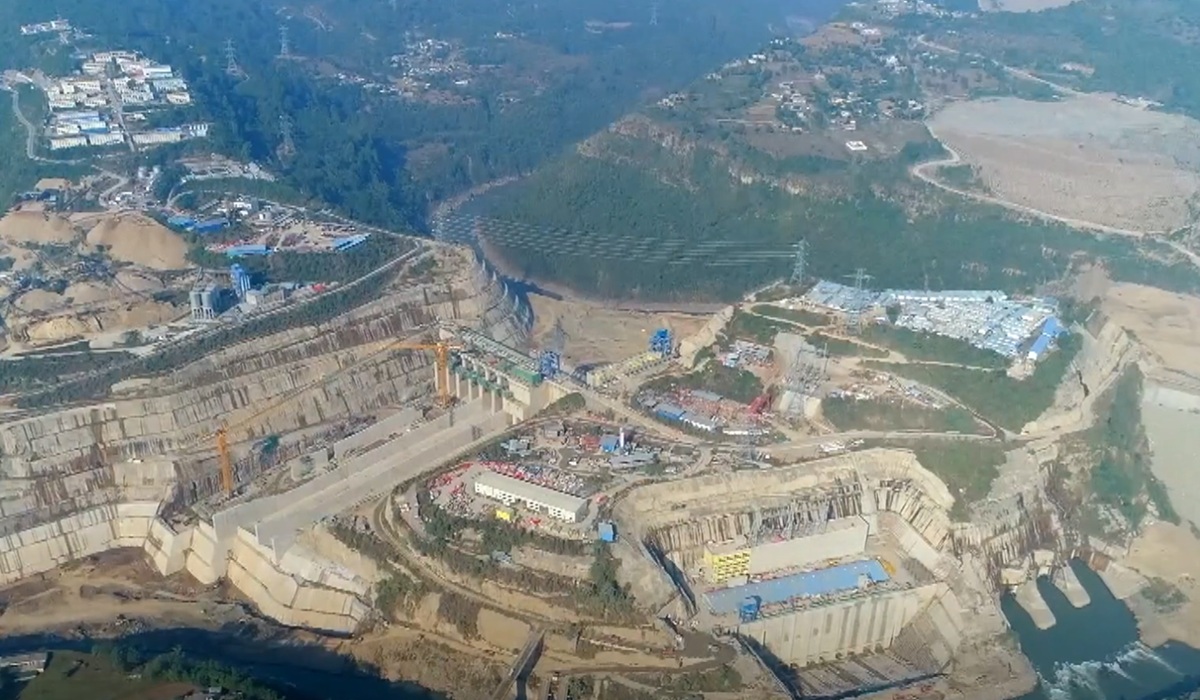
The Karot Hydropower Project (HPP) represents one of the most significant additions to Pakistan’s energy infrastructure in recent years. Developed under the framework of the China-Pakistan Economic Corridor, the project symbolizes the country’s shift toward renewable, low-cost, and sustainable electricity generation. At a time when Pakistan struggles with power shortages, circular debt, and expensive imported fuel, the Karot project stands as a strategic milestone in strengthening energy security.
The project has an installed generation capacity of 720 megawatts, placing it among the major hydropower facilities contributing to the national grid. On average, it produces around 3.4–3.6 billion units (kWh) of electricity annually, enough to supply electricity to millions of households across Pakistan. This large-scale hydropower generation reduces dependence on thermal power plants, which rely heavily on imported fuel and significantly increase electricity tariffs.
Karot’s electricity generation plays a stabilizing role in Pakistan’s energy mix. Hydropower is cheaper than fossil-fuel-based generation, making the project particularly important during periods of high global oil and gas prices. The addition of 720 MW enhances base-load capacity and improves grid reliability, especially during peak demand seasons.
The project contributes billions of units of clean electricity each year, directly helping reduce load-shedding pressures and improving industrial productivity. Hydropower provides flexible generation, allowing grid operators to manage fluctuations in demand more effectively than many other sources.
The total construction cost of the Karot Hydropower Project is widely estimated at around US $ 1.6 – 1.7 billion, financed through a mix of Chinese investment, international financial institutions, and loans from Chinese development banks. The project was developed on a Build-Own-Operate-Transfer (BOOT) model, meaning the investor builds and operates the plant before transferring ownership to the Punjab government.
This financing structure allowed Pakistan to add large-scale generation capacity without immediate fiscal pressure on the public budget. It also means long-term tariff commitments that affect electricity pricing.
The levelised tariff approved for the project is approximately 7.57 US cents per unit for 30 years. This tariff covers capital recovery, operation, maintenance, and investor return. In local currency terms, the exact rupee cost fluctuates with exchange rates, which means consumers indirectly bear currency risk.
Operational data suggests that the pure generation cost can be extremely low, in some periods reported at fractions of a rupee per unit due to hydropower’s minimal fuel cost. The final tariff charged to consumers includes capacity payments, transmission costs, taxes, distribution losses, and government surcharges. The government does not earn a simple “per-unit profit” from Karot electricity alone. Instead, consumer tariffs reflect a composite structure where distribution companies and the state recover system costs. Margins emerge through taxes, surcharges, and cross-subsidies embedded in electricity bills.
The project is completed and operated by China Three Gorges Corporation, one of the world’s largest hydropower developers. Under the BOOT arrangement, the company will own and operate the plant for 30 years, after which the facility will be transferred to the Government of Punjab at a nominal price often cited as one rupee.
This long concession period allows investors to recover costs and earn returns while eventually leaving Pakistan with a fully operational strategic asset. Karot provides multiple long-term benefits beyond electricity generation: lower generation cost compared with thermal power, reduced carbon emissions (around 3.5 million tons annually),
foreign direct investment inflow, local employment during construction, Improved energy security, stable electricity supply for industry and for common consumers, the primary benefit lies in the long-term availability of cheaper electricity relative to imported fuel plants. Hydropower also reduces exposure to global energy price volatility, which is a major driver of tariff increases in Pakistan.
Critics highlight that capacity payments and dollar-indexed tariffs can still place pressure on consumers, particularly when the rupee depreciates. The real consumer benefit depends on broader power sector reforms, especially transmission efficiency and reduction of line losses.
Karot is important for three reasons. First, it is the first major hydropower project completed under CPEC, setting a precedent for future investments. Second, it strengthens Pakistan’s renewable energy portfolio at a time when climate commitments are becoming increasingly important. Third, it demonstrates a financing model that Pakistan is likely to use for other large infrastructure projects. The project also enhances regional water resource utilization on the Jhelum River while supporting long-term energy planning.
The Karot HPP is far more than a power plant; it is a strategic energy asset that reflects Pakistan’s transition toward renewable, infrastructure-led growth. With 720 MW capacity and billions of units added annually to the national grid, it plays a meaningful role in addressing electricity shortages and reducing reliance on costly thermal generation. The project highlights both opportunity and complexity. While hydropower offers extremely low generation costs, the BOOT model and dollar-linked tariff structure mean consumers still face relatively high electricity prices in the short to medium term. The real advantage will emerge after the 30-year concession period, when Pakistan acquires the asset at a nominal cost and can generate electricity at very low prices. Karot’s success should be measured not only by megawatts produced but by how effectively Pakistan reforms its transmission system, manages tariffs, and expands renewable capacity. If integrated wisely into broader energy policy, Karot can become a cornerstone of affordable electricity, economic stability, and sustainable development for decades to come.
About The Author