Karot Hydropower Project: A Masterpiece of Engineering and a Beacon of Energy Security
- Naveed Aman Khan
- Trending News
- Middle East
- March 18, 2026
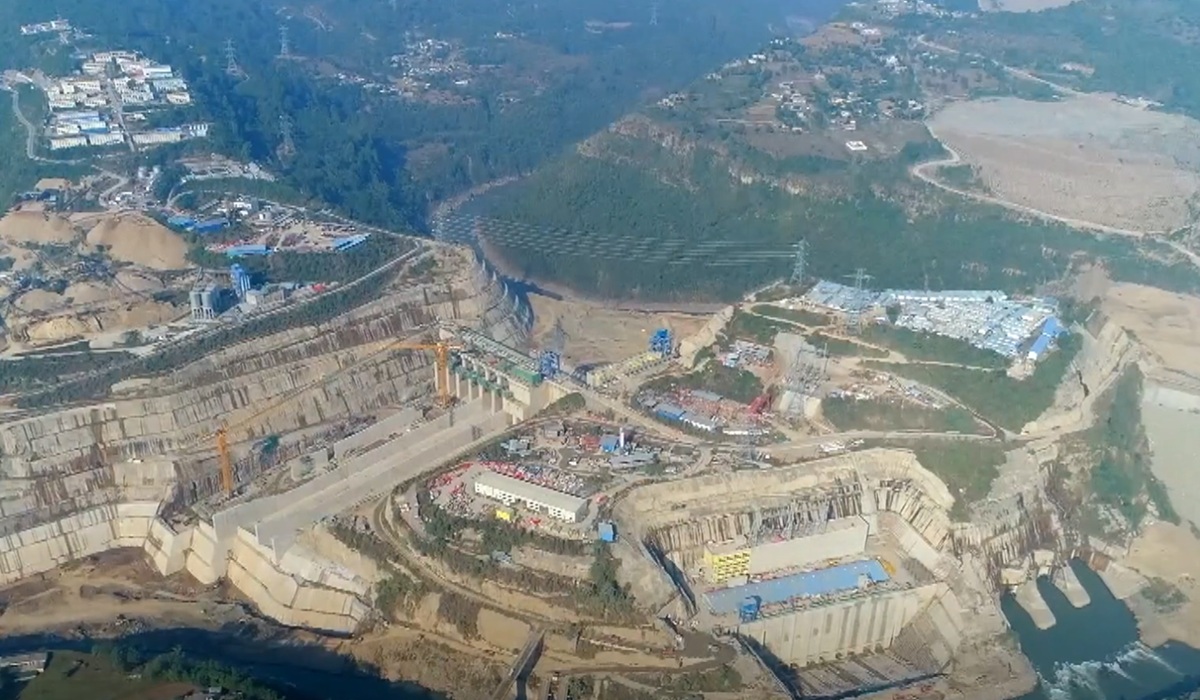
The Karot Hydropower Project, constructed on the Jhelum River, has emerged as a shining example of economic and technical cooperation between Pakistan and China. This landmark initiative is not only playing a vital role in addressing Pakistan’s long-standing energy crisis but has also established itself as a significant milestone in the fields of modern engineering, strategic planning, and international partnership. In particular, the successful completion of its diversion tunnels marked a decisive phase that set the project firmly on the path toward operational success.
With a generation capacity of 720 megawatts, the Karot Hydropower Project is among the early harvest projects under the China-Pakistan Economic Corridor (CPEC). One of its most notable features is its “run-of-the-river” design, which utilizes the natural flow of the river to generate electricity without the need for large reservoirs. This approach significantly reduces environmental impact and limits the displacement of local communities, making it a sustainable and environmentally responsible energy solution.
The project comprises several key components, including the dam, powerhouse, headrace tunnels, tailrace tunnels, and diversion tunnels. Among these, the diversion tunnels hold critical importance, particularly during the early stages of construction. These tunnels are used to temporarily redirect the river’s flow, allowing engineers to work on the main structures in a dry and controlled environment. In the Karot project, three diversion tunnels were constructed, each approximately 447 meters long. They were meticulously designed to safely handle the fast and unpredictable flow of the Jhelum River.
Constructing diversion tunnels is widely regarded as one of the most complex and high-risk phases of any hydropower project, and Karot was no exception. The region’s geological conditions presented serious challenges, including hard rock formations, fault lines, and unstable ground layers. Tunnel excavation in such an environment required advanced machinery, technical expertise, and continuous monitoring. Engineers also had to contend with high groundwater pressure and the constant risk of landslides, which further complicated the process.
In addition to geological difficulties, hydrological challenges posed another layer of complexity. The flow of the Jhelum River varies significantly with seasonal changes, ranging from low to extremely high volumes. Temporarily diverting such a volatile river system required precise planning and execution, as any miscalculation could have resulted in severe flooding and disruption of construction activities. To mitigate these risks, advanced hydraulic modeling and engineering simulations were employed to ensure the tunnels could withstand varying water pressures and flow velocities.
Time constraints added further pressure to the project. As part of the early harvest initiatives under CPEC, timely completion was critical. China Three Gorges Corporation rose to the challenge, successfully completing the diversion tunnels within a limited timeframe while maintaining high engineering standards. This achievement reflects the company’s exceptional planning, efficient resource management, and world-class technical capabilities.
From a financial perspective, the project is structured under the Build-Own-Operate-Transfer (BOOT) model. Under this arrangement, the Chinese company finances, constructs, and operates the project for a specified period before transferring ownership to Pakistan. This model has enabled large-scale investment without placing immediate financial strain on Pakistan, demonstrating a pragmatic and forward-looking approach to infrastructure development.
The importance of the Karot project in Pakistan’s energy sector cannot be overstated. For decades, the country has struggled with electricity shortages that have hindered industrial growth, economic productivity, and daily life. By generating approximately 3.2 billion units of electricity annually, the project is helping to power millions of homes and businesses. It also contributes to diversifying the energy mix by promoting renewable and sustainable sources.
Environmentally, the project stands out as a responsible development. Its run-of-the-river design eliminates the need for large reservoirs, thereby minimizing ecological disruption. Moreover, hydropower is a clean energy source that reduces carbon emissions and helps combat climate change, aligning with global sustainability goals.
The project has also delivered significant socio-economic benefits. During the construction phase, thousands of local workers were employed, providing a boost to livelihoods in the surrounding areas. Infrastructure improvements, including roads and bridges, have enhanced regional connectivity and stimulated local economic activity, creating long-term development opportunities.
China Three Gorges Corporation’s performance in this project has been particularly commendable. Known for constructing the world’s largest hydropower project, the Three Gorges Dam, the company once again demonstrated its engineering excellence and ability to operate under challenging conditions while adhering to international standards.
The timely completion of the diversion tunnels played a pivotal role in accelerating subsequent phases of the project. Any delay at this stage could have jeopardized the entire timeline, but through effective strategy and execution, this critical milestone was achieved without setbacks.
The Karot Hydropower Project is not merely an engineering marvel but also a powerful symbol of Pakistan-China cooperation. It demonstrates that with advanced technology, meticulous planning, and strong international collaboration, even the most complex challenges can be successfully overcome. Projects like Karot will continue to play a crucial role in ensuring Pakistan’s energy security, strengthening its economy, and advancing its journey toward sustainable development.
About The Author