Is the Water & Waste Department Fleecing the Citizens of Winnipeg?
- Don Woodstock
- Canada
- January 9, 2026
Paying for the Past: Winnipeg’s Water Rates, the North End Plant, and the Cost of Unanswered Accountability
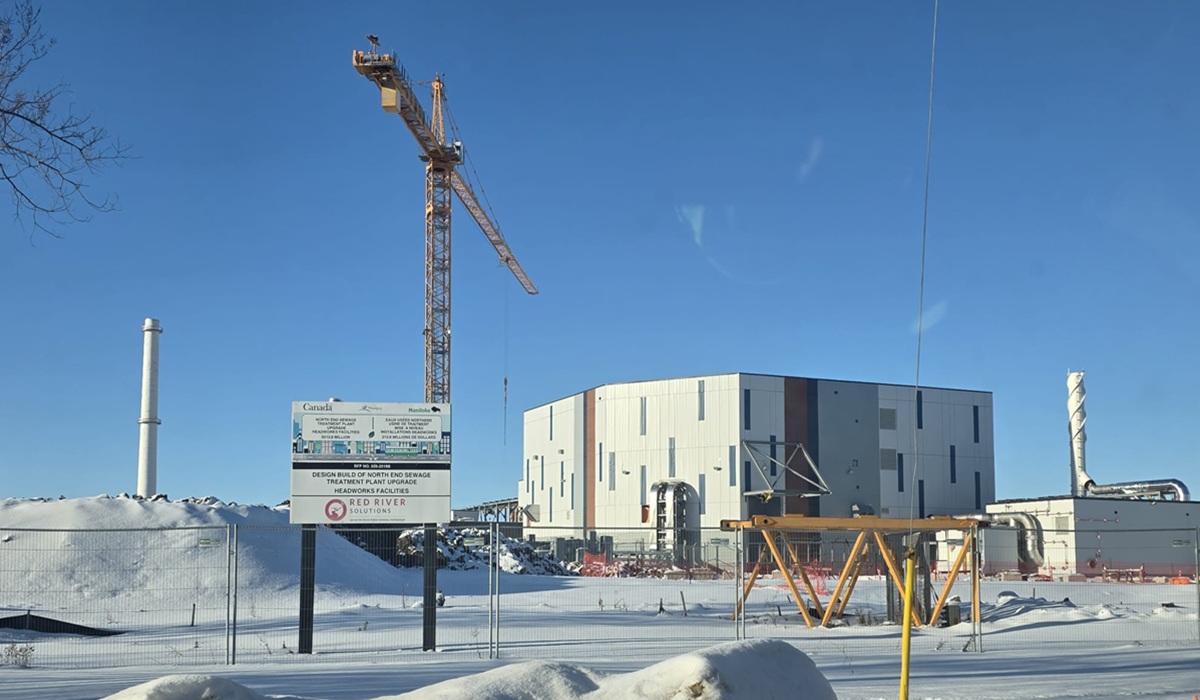
Winnipeg is being asked, once again, to pay more. This time it comes in the form of higher water and wastewater rates tied to the long-delayed redevelopment of the North End Water Pollution Control Centre. They are trying to make the increases seen as restrained and reasonable, even responsible. Yet for many residents, the issue is no longer the size of the increase. It is the pattern that made the increase inevitable, and the persistent absence of accountability that allowed costs to spiral unchecked for more than a decade.
Beginning January 1, 2026, pending council approval, water treatment rates are scheduled to rise by 2.8 percent, followed by a further 4.2 percent increase in 2027. For a typical household, this means roughly $176 more in 2026 and additionally approximately $272 more in 2027. For a combined increase of $448 in 2 years.
That framing, however, sidesteps the central question that residents are asking: why did the city allow itself to get here in the first place?
Public frustration deepened when the mayor went on radio and television portraying the increase as a kind of ‘negotiated win’, explaining that council rejected what could have amounted to more than a thousand dollars a year and instead landed on “only” $68 every quarter. For Winnipeggers already struggling with high grocery prices, rising taxes, volatile fuel costs, and inflation that has steadily eroded purchasing power, that explanation felt tone-deaf. Sixty-eight dollars every quarter may sound modest in a budget presentation, but for pensioners on fixed incomes and working families already stretched thin, it is not theoretical. It is another hit to a household budget that has little room left.
The deeper problem is that this situation was neither sudden nor unforeseeable.
When the North End Water Pollution Control Centre upgrade was first scoped in 2013, the projected cost was approximately $780 million. Today, that figure has ballooned to roughly $2.5 billion, with broader redevelopment estimates nearing $3 billion. This escalation did not occur overnight. It unfolded gradually, through years of delays, scope changes, missed milestones, and compounding financing costs. Projects do not triple in cost without repeated warning signs, and those warning signs were present long before residents were told higher rates were unavoidable.
But hold up let’s examine this: 1,000 sq ft home, family of 2 have seen the Water Bill increase approximately 300% from $196 to $534 for the quarter. What about a family of 4? What are they paying? Yes, 300% more since Jan 2012. Former Mayor Bowman & Mayor Gillingham have used this as a justification. Is this fleecing us?
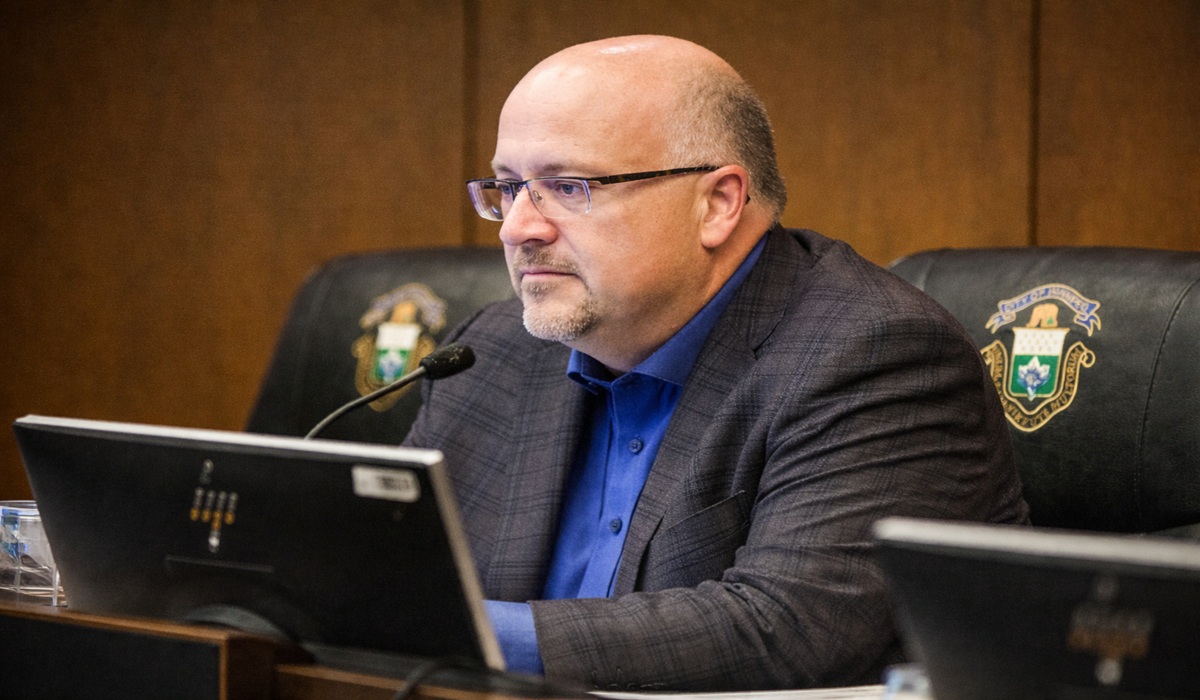
Continuity of leadership matters in this context. The current mayor did not inherit this file cold. Prior to becoming mayor, he served for multiple years as chair of finance under former Mayor Brian Bowman, overseeing the city’s budgeting, capital planning, borrowing, and financial controls. He then ran on a Mayoral platform promising fiscal responsibility and better stewardship of taxpayer dollars. He has had his hand on this project for over 10 years. With that comes responsibility for outcomes, not just explanations after the fact. Mayor Gillingham, this one is 100% on you.
The Bonding Failure: Where Accountability Collapsed
Nowhere is the failure of fiscal discipline more glaring than in the city’s refusal to use one of the strongest accountability tools it already possesses: construction bonding.
For decades, Winnipeg has required contractors working on major public projects to post bonds. Performance bonds, labour and material payment bonds, and other financial guarantees exist for a very clear reason. They are designed to protect taxpayers. They exist to ensure that if a contractor fails to meet timelines, exceeds costs due to mismanagement, or cannot perform the work as agreed, the financial consequences do not automatically fall on the public. They fall on the contractor.
These are not symbolic instruments. They are enforceable mechanisms. Calling in a bond can force corrective action. It can compel a contractor to absorb overruns, accelerate work, replace underperforming subcontractors, or, in serious cases, be removed entirely so another firm can complete the job. In many jurisdictions around the world, this is standard practice. Cost overruns come out of the contractor’s pocket, not the taxpayers. Governments do not simply reopen the cheque book and ask residents to pay more.
Winnipeg chose not to call in the Bond. Why have we NEVER called in the Bond on these major projects?
For more than a decade, as costs climbed and timelines slipped at the North End plant, the city repeatedly declined to fully exercise its bonding powers. Rather than enforcing the safeguards designed to protect the public, City Hall allowed overruns to be absorbed into the project, year after year, until they became normalized. This was not a lack of tools. It was a lack of will.
That decision has consequences. When contractors are shielded from financial accountability, the incentive structure collapses. Delays become tolerable. Overruns become negotiable. Risk shifts away from those who control construction and onto residents who have no control at all. That is not prudent management. It is not best practice. And it is not defensible as good governance.
The city’s willingness to repeatedly absorb overruns rather than enforce bonding protections represents a systemic failure of oversight. It signals to contractors that the city will pay their excessive cost-overrun without question, even when performance falters. It also sends a clear message to taxpayers: the mechanisms designed to protect you will not be used when they are most needed. Is this a definition of fleecing?
Fiscal responsibility cannot coexist with that approach. It cannot be squared with campaign promises of stewardship. And it cannot be reconciled with asking residents, years later, to pay higher rates to cover costs that should never have been passed on to them.
City Hall now argues that the current rate increases are the least harmful option remaining. That may be true in a narrow financial sense. But it does not erase the fact that earlier decisions, particularly the refusal to enforce bonding and performance accountability, directly contributed to the scale of the problem residents are now being asked to fund.
None of this diminishes the importance of upgrading the North End Water Pollution Control Centre. Clean water and environmental protection are essential public responsibilities. But necessity does not excuse negligence, and it does not absolve leadership of the duty to enforce the safeguards already in place.
As this mayoral term approaches its end, the water rate debate has become a test of what accountability means in Winnipeg. Fiscal responsibility is not measured by how calmly cost overruns are explained year after year. It is measured by whether leaders are willing to enforce discipline when it matters, protect taxpayers when they are vulnerable, and ensure that those who fail to deliver are held to account.
Until that standard is met, Winnipeggers will continue to feel that they are paying not just for water, but for a long record of decisions where accountability was available, and yet deliberately left unused.
About The Author