Industrial Uncertainty Hangs Over Communities In Scotland
- Kingston Bailey
- Europe
- Trending News
- February 6, 2026
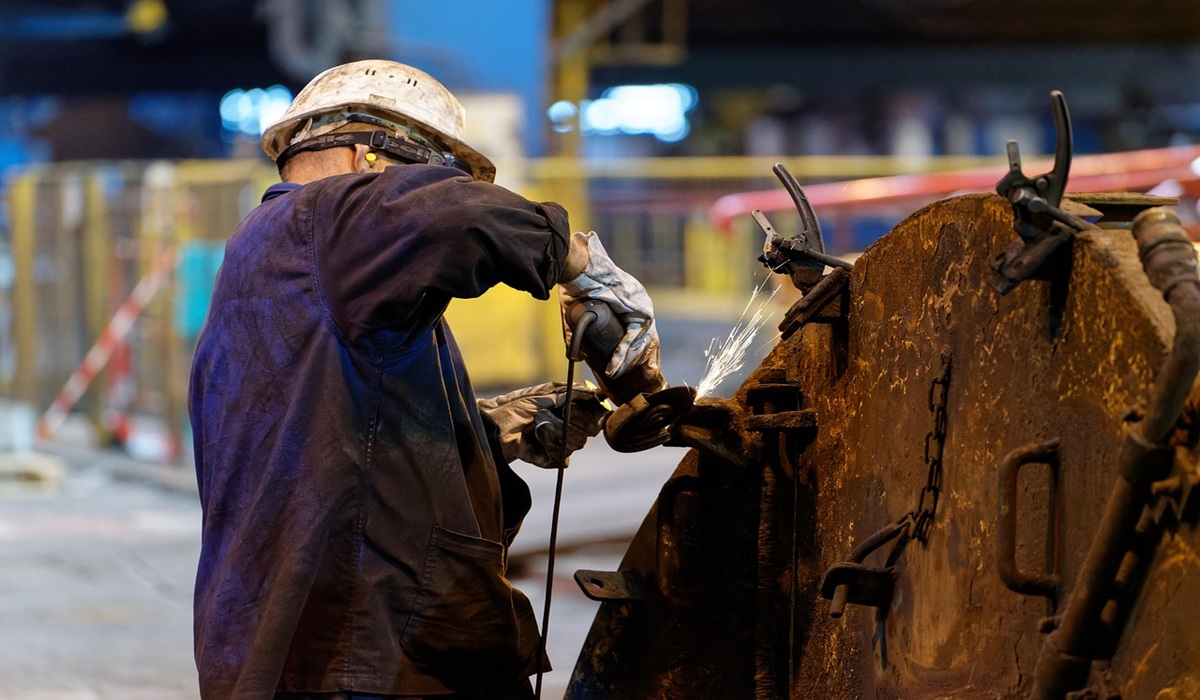
Image Credit: Jean Martinelle
Across Scotland, concern is growing in former industrial regions where long standing manufacturing sites are facing uncertain futures. The potential loss of major facilities, including chemical and energy related operations, has left communities worried about jobs, economic stability, and what comes next for areas that have long depended on heavy industry. For many residents, the fear is not just about losing work, but about losing a way of life that has defined generations.
In places like Fife and other parts of the country where industry once drove local economies, conversations are turning serious. Workers who have built entire careers in these sectors now face the possibility of retraining, relocation, or early retirement. Some have spent decades in the same plant, watching it expand, modernize, and adapt to new technologies. The thought that it might close or scale down brings a sense of uncertainty that spreads far beyond the factory floor.
Local leaders have been trying to strike a careful balance. They speak about transitioning to cleaner industries, attracting new investment, and preparing for the future, but they also acknowledge the anxiety in their communities. When an industrial site disappears, it is rarely just one company that feels the impact. Small businesses lose customers, young people reconsider staying, and families begin to think about moving away in search of stability.
There is a familiar pattern in Scotland’s industrial story. When a plant opens, it anchors a community for generations. When it closes, the ripple effects can stretch far beyond the gates. Schools, local services, and entire neighbourhoods can feel the shift. The uncertainty can be just as disruptive as an actual shutdown, with families forced to plan for an unknown future without clear answers.
The debate is not just about jobs. It is about identity and pride. Many of these facilities were built during a time when heavy industry defined Scotland’s economic strength and national character. Workers saw themselves as part of something bigger, contributing to a legacy of manufacturing and engineering that shaped the country’s reputation. Now, as global markets change and environmental pressures grow, that legacy is being tested.
For younger generations, the uncertainty raises new questions. Should they stay and hope for new industries to emerge, or should they leave for cities where opportunities seem more certain. The answer is not simple, and every family is making their own calculations. For now, the situation remains fluid, with communities watching closely and hoping that the next chapter brings renewal rather than another period of decline.
About The Author