In The Month of Ramadan, We Honor Dr. Izzeldin Abuelaish
- TDS News
- Ramadan
- Trending News
- February 21, 2026
Donovan Martin Sr, Editor in Chief
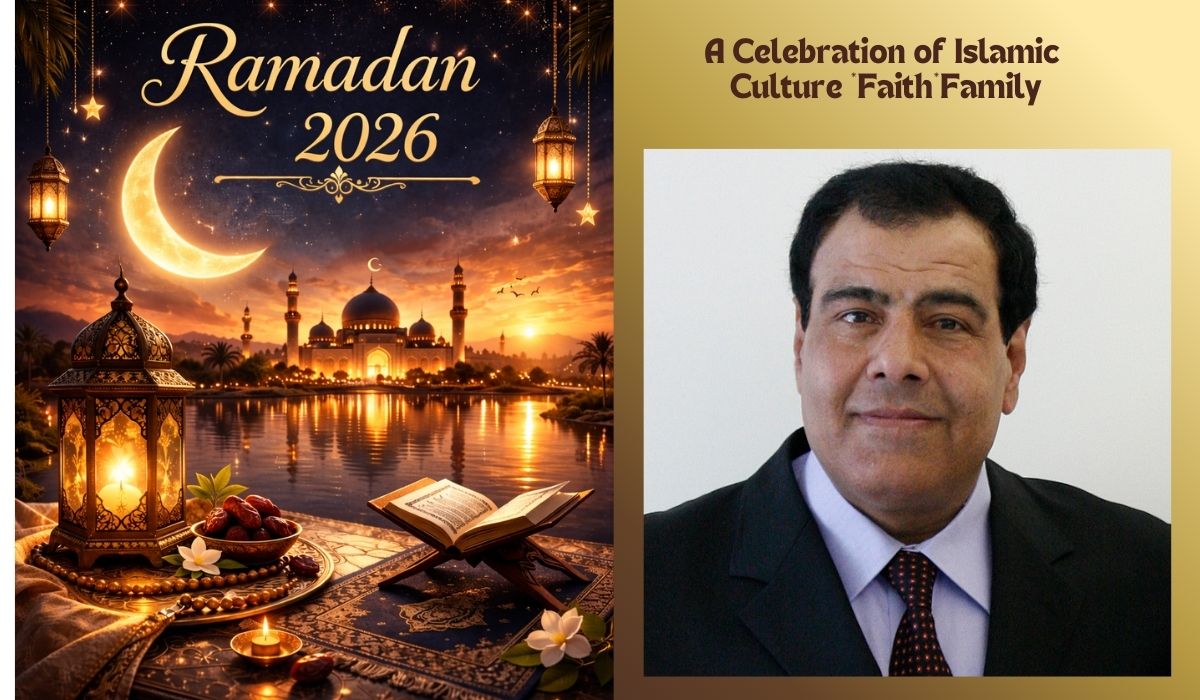
Ramadan is a month that calls people inward before it calls them outward. It asks for reflection before reaction, patience before anger, mercy before judgment. In honoring a Canadian during this sacred month, few lives reflect those values more profoundly than that of Dr. Izzeldin Abuelaish, a physician whose journey from Gaza to Canada reshaped not only his own future, but the moral vocabulary of everyone who has encountered his story.
Dr. Abuelaish arrived in Canada carrying unimaginable grief. A respected obstetrician and gynecologist, he had built a career dedicated to bringing life into the world under some of the most difficult circumstances imaginable. In 2009, during the conflict in Gaza, three of his daughters and a niece were killed in shelling that struck his home. The tragedy could have hardened him. It could have pushed him toward rage or revenge. Instead, in one of the most extraordinary public responses in recent memory, he called not for retaliation but for reconciliation.
When he later settled in Toronto and joined the faculty at the University of Toronto, Dr. Abuelaish continued his work in medicine and advocacy, focusing on women’s health and education. He founded the Daughters for Life Foundation, which provides scholarships to young women from the Middle East to study in North America. The foundation is not symbolic. It is practical, focused, and rooted in the belief that education is the most powerful antidote to conflict.
Ramadan is often described as a month of self-restraint, but restraint in the face of personal devastation is something else entirely. Dr. Abuelaish’s insistence on forgiveness does not minimize pain; it transforms it. He has spoken repeatedly about the responsibility to break cycles of hatred, arguing that dignity and opportunity are the real engines of peace. In doing so, he embodies the prophetic tradition of responding to injustice with principled resolve rather than bitterness.
In Canada, his voice has become part of a broader national conversation about pluralism and coexistence. He represents a lived example of what it means to carry one’s faith not as a banner of division but as a compass guiding compassion. During Ramadan, when fasting sharpens awareness of human vulnerability, his life reminds us that suffering can either narrow the heart or expand it.
There is a quiet power in the way he approaches public life. He does not posture. He does not shout. He speaks with the authority of someone who has endured loss and chosen hope anyway. That choice, repeated day after day, mirrors the discipline of Ramadan itself. Fasting is not a one-time gesture; it is sustained intention. Forgiveness, too, is not a single act. It is a commitment.
As communities across the country gather for iftar this month, reflecting on mercy and accountability, Dr. Abuelaish’s journey offers a living testament to what those words can mean beyond ritual. His story challenges us to examine how we respond to injustice in our own lives, how we treat those who disagree with us, and whether we allow faith to elevate or entrench us.
Ramadan is ultimately about renewal. It is about emerging from a month of discipline more conscious, more compassionate, and more committed to justice. In honoring Dr. Izzeldin Abuelaish, we are reminded that renewal is possible even after the deepest loss, and that the truest strength is often the quiet refusal to surrender one’s humanity.
About The Author