Impeachment in Real Time: War, Casualties, and the Arithmetic of Power
- Ingrid Jones
- U.S.A
- March 3, 2026

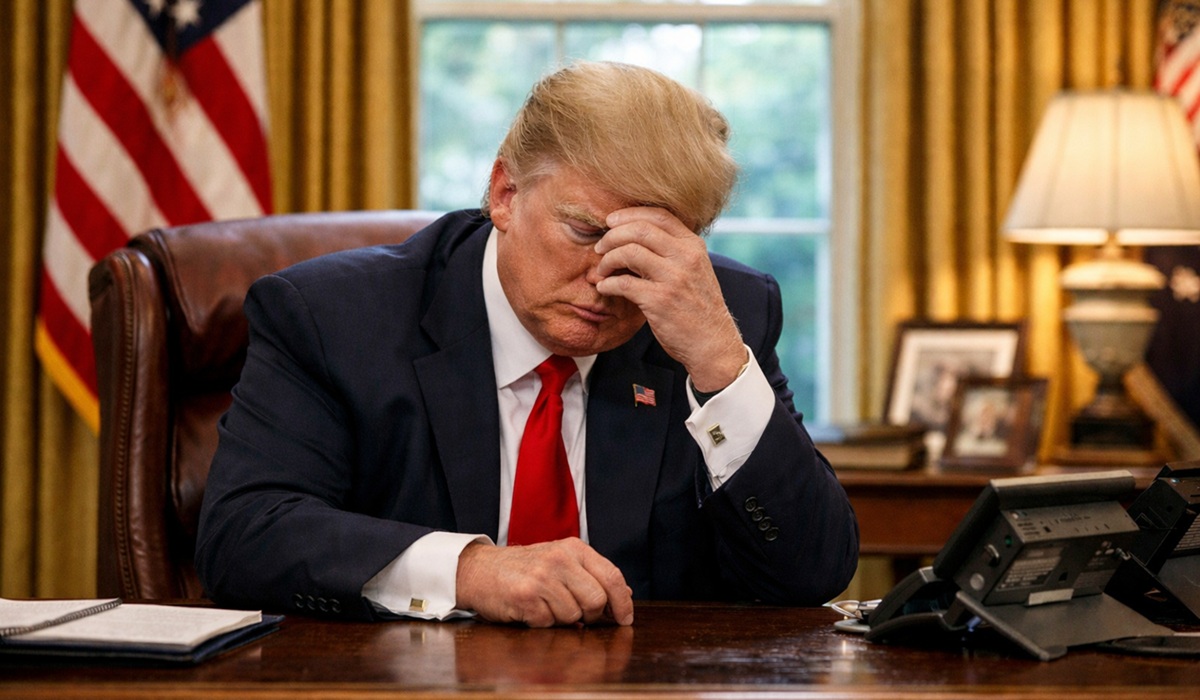
Impeachment is no longer a distant possibility whispered about in committee rooms. It is now openly tied to a war that is spiraling in real time. With the Strait of Hormuz closed, oil surging, American service members dying, and U.S. military and corporate assets under attack in the Gulf region, pressure inside Congress is intensifying. What was once framed as partisan theater is increasingly being discussed as political survival.
The closure of the Strait of Hormuz has immediate global consequences. Roughly one-fifth of the world’s traded oil flows through that narrow passage. When it shuts down, energy markets spike almost instantly. Higher crude prices move quickly into gasoline, diesel, aviation fuel, shipping, and food logistics. Americans feel that at the pump and in grocery aisles. Inflation expectations rise. Markets respond with volatility. Investors price in instability. The economic shock is not abstract; it is measurable.
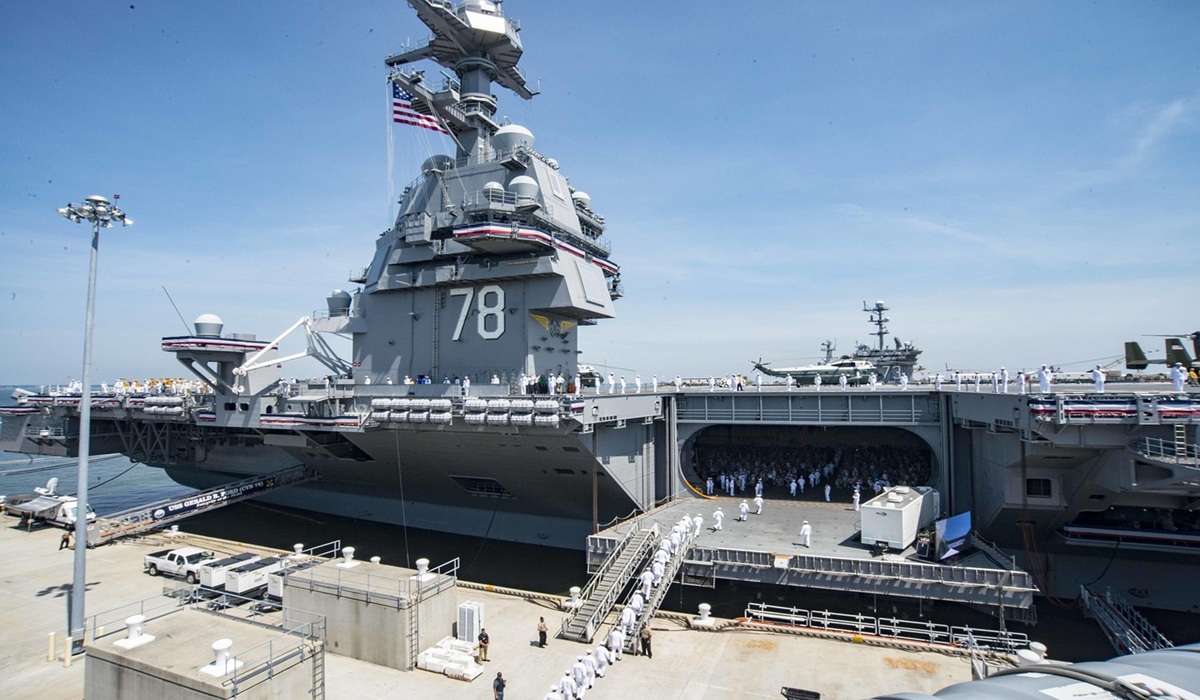
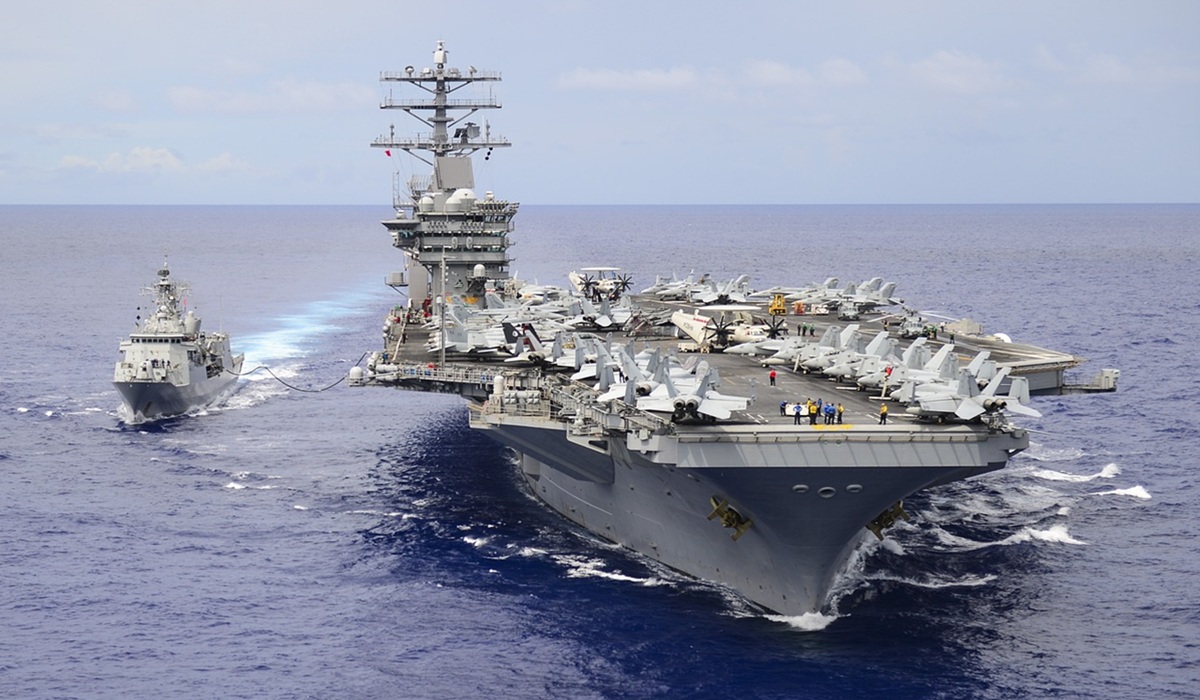
At the same time, U.S. service members have been killed in the unfolding conflict. Military aircraft have been lost. Regional American assets have been targeted. Every confirmed casualty adds weight to the national mood. Historically, sustained combat deaths have reshaped domestic politics, especially when voters perceive strategic miscalculation. Flag-draped coffins do not remain distant headlines for long. They become defining images.
The economic dimension compounds the political risk. American businesses operating in the Gulf region are facing disruptions. Major multinational firms with digital and physical infrastructure in the region are reporting damage and instability. Market losses have mounted sharply amid war fears, energy disruption, and inflation pressure. When investors see prolonged regional escalation, capital pulls back. Retirement accounts, pensions, and consumer confidence are all affected.
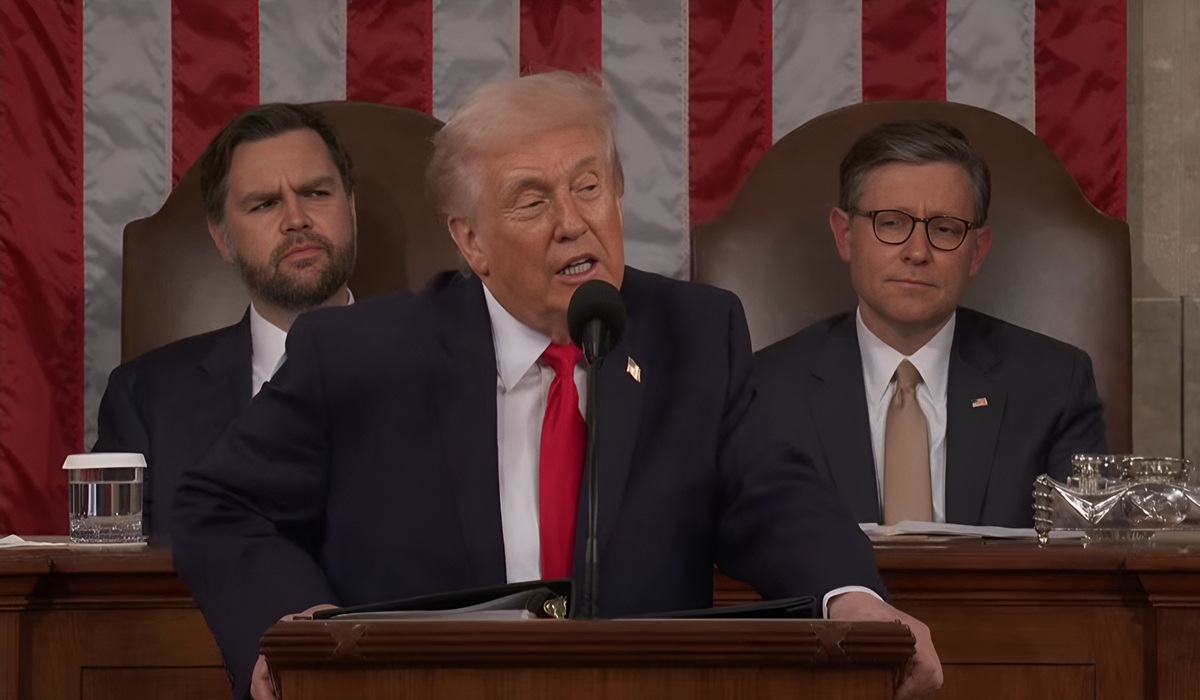
That is the environment in which impeachment becomes operational rather than theoretical. Under the Constitution, impeachment begins in the House of Representatives and requires a simple majority. The current House stands at 218 Republicans, 214 Democrats, and three vacancies. If all 214 Democrats vote in favor of impeachment, they would need four Republicans to cross the aisle to reach the 218 votes necessary to approve articles of impeachment, assuming full attendance. Four votes is not an insurmountable barrier in a climate of sustained crisis.
Removal happens in the Senate. The Senate is currently composed of 53 Republicans, 45 Democrats, and two independents who caucus with Democrats, effectively forming a 47-member Democratic-aligned bloc. Conviction requires a two-thirds majority—67 votes if all senators vote. If all 47 Democratic-aligned senators vote to convict, 20 Republican senators would need to join them. That is the decisive number.
For Republicans facing midterm elections, the political math is becoming unavoidable. Historically, the president’s party tends to lose seats in midterms. When war casualties rise and economic strain intensifies, that historical pattern becomes more threatening. Lawmakers in competitive districts and states must calculate whether loyalty to the White House strengthens or weakens their reelection chances. If polling indicates the latter, pressure builds quickly.
Impeachment is not triggered by policy failure alone. The constitutional threshold remains “high crimes and misdemeanors.” Congress would need to argue that actions taken during the conflict rise beyond strategic error into abuse of power or serious misconduct. That determination is political as much as legal, and it is shaped by evidence, hearings, and public opinion.
What changes in moments like this is the speed at which positions harden. A closed Strait of Hormuz, rising energy prices, confirmed American deaths, and visible military setbacks create a convergence of pressure points. In the House, it takes four Republicans joining Democrats to impeach. In the Senate, it takes 20 Republicans joining Democrats to remove.
The Constitution provides the structure. The war and the economy are providing the urgency. Whether the United States ends the year with the same president depends not on speculation, but on whether those numbers—four in the House and 20 in the Senate—materialize under the weight of events unfolding right now.
About The Author