Construction rewards routine: the same morning check-in, the same familiar machines, the same muscle memory that lets a crew move fast. Seasons disrupt that rhythm. They change how people see, step, sweat, shiver, and react.
They also change how equipment behaves, how soil holds, how materials cure, and how quickly a “normal” hazard turns into an emergency. In this guide, we’ll explain the rules and precautions for keeping your construction site safe in every season.
Think of weather as a force that reshapes every control you already rely on—footing, visibility, energy, and communication. A site can carry the same hazards all year long—falls, struck-by incidents, electrical exposure, caught-between risks—yet each season tilts the odds in its own direction. Safety holds when supervisors anticipate that tilt and reset the site accordingly, before the first cold snap, before the first heat wave, and before spring’s first week of mud and lightning.
Winter makes the ordinary treacherous. Cold stiffens hands and slows reaction time; bulky layers can snag on moving parts; numb fingers lose dexterity when tying off, buckling harnesses, or handling blades. Ice doesn’t just threaten ankles—it changes how ladders bite and how scaffolds feel underfoot. Snow and freezing rain erase visual cues, turning a level surface into a skating rink and burying hazards that crews would otherwise notice instinctively.
A winter-ready site responds with discipline, not bravado. Leaders keep walking paths, access points, and work platforms continuously clear instead of treating de-icing as an afterthought that happens once a day. They protect traction and visibility as if those are primary controls, because in winter they are. They also treat cold exposure as predictable fatigue rather than personal toughness.
Warm-up breaks, dry glove changes, and wind-aware work planning reduce the small mistakes that precede big injuries. Just as importantly, winter planning clarifies when the safest decision is to pause: a slick roof deck, high winds on lifts, or freezing rain on a steel frame can overwhelm even the best PPE. A culture that respects stop-work authority prevents “hero” decisions that winter punishes.
Spring arrives with a different kind of deception. After months of cold, crews feel relief and may loosen their vigilance. Yet spring is the season of instability: thawing ground softens, rain returns in bursts, and temperature swings can deliver foggy mornings followed by unexpectedly warm afternoons. Mud and standing water create slip risks and vehicle hazards, but they also interfere with access routes and emergency response.
Spring safety begins with a “re-commissioning” mindset. Instead of assuming the site is simply resuming, supervisors treat spring like a relaunch: they inspect drainage, re-evaluate traffic patterns and material staging, and verify that guards, cords, ladders, and fall protection are still secure and safe after a winter season of wear and tear. They reassess the ground itself, because thaw and rain can change compaction and create hidden voids, so anti-slip mats and appropriate footwear are essential safety measures for construction sites preparing for spring. Crews must also rebuild their seasonal reflexes: reminding workers how quickly slippery plywood, wet rebar, and muddy boots increase fall risk, and how thunder isn’t background sound but an early warning.
Summer’s challenge is less about footing and more about physiology. Heat illness doesn’t announce itself like a missing guardrail; it accumulates quietly until judgment fails. Heat also alters how people take risks: a worker rushing to finish before the afternoon sun may skip hydration, remove PPE, or climb without repositioning properly. High temperatures and humidity strain the cardiovascular system, and the first week of serious heat usually hits hardest because bodies haven’t had the opportunity to acclimate to the strenuous conditions yet.
A summer-safe site makes heat planning as routine as concrete delivery. Supervisors schedule the most demanding tasks earlier when possible, and they treat shade, water, and rest as core controls rather than perks. They watch for new hires, returning workers, and anyone moving from indoor work to outdoor work, because acclimatization matters more than grit. They also enforce PPE realistically by selecting gear that protects without overheating when feasible, and by adjusting workflows so workers don’t feel they must choose between safety and comfort.
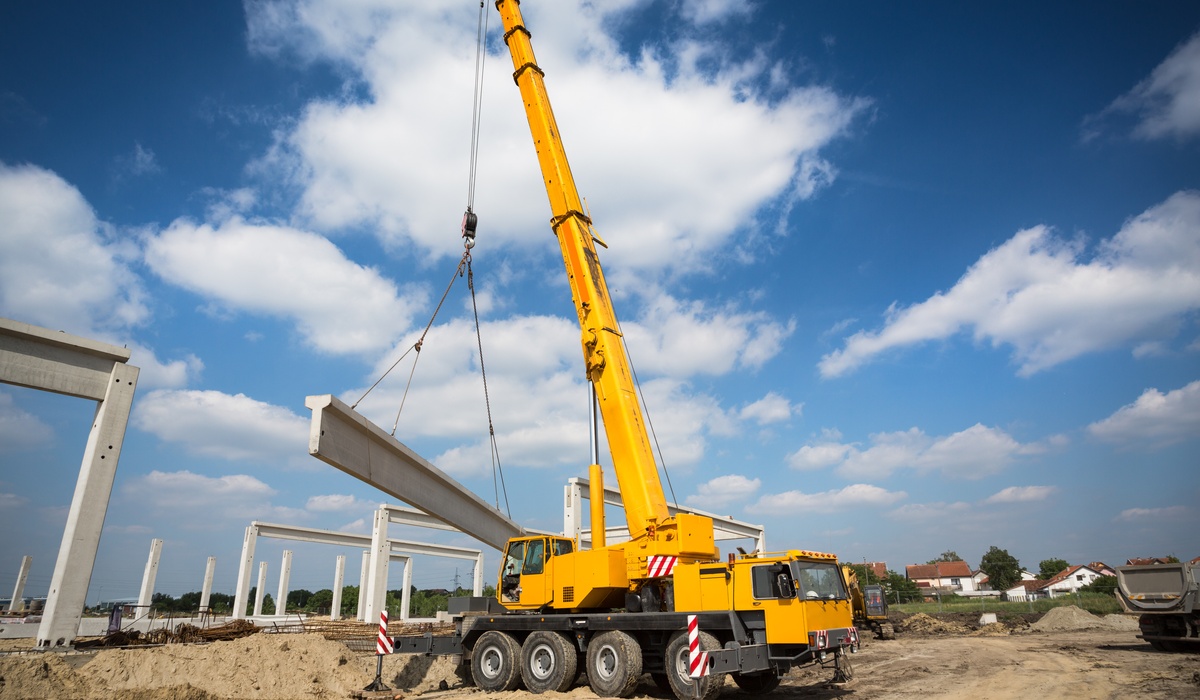
Fall can feel forgiving as the summer heat dwindles, and the more forgiving and comfortable autumn chill arrives, but it still brings its own problems and dangers to work sites. Temperatures moderate, but daylight shortens again, and the season introduces rapid swings—cold mornings, warm afternoons—that complicate clothing choices and can lead to sweaty layers that chill later. Leaves, damp grass, and early frosts create slick surfaces that mimic winter conditions before fully transforming into a winter mindset. Wind returns, typically stronger and more variable, challenging crane operations, lifts, and the stability of temporary coverings.
Fall safety works when leaders treat it as a preparatory season, not a cooldown lap. They revisit lighting and visibility early, verifying access routes, stair towers, and workfaces stay well-lit as days shorten. They tighten housekeeping as leaves and debris accumulate, because fall’s slip-and-trip hazards multiply quietly across entrances and pathways. They reinforce wind protocols for elevated work and material storage, securing what summer storms may have spared.
Throughout the calendar year, the best way to keep your construction site safe in every season is not a single tool or policy, but a consistency of attention. Seasonal change demands that leaders refresh the basics rather than chase novelty. They keep communication crisp: daily pre-task planning that accounts for weather, clear expectations for equipment inspections, and a shared language for calling out hazards without fear of reprisal or dismissal. Managers and safety coordinators must train crews to notice the “seasonal tells”—a muddy access road that will swallow a forklift, a sudden humidity jump that will drain a worker, a wind shift that will swing a load.
That is the heart of seasonal construction site safety: recognizing that every season changes the same risks in different ways, and adjusting before those changes set the tempo. When a jobsite treats seasons as operational realities—not interruptions—it protects workers, protects schedules, and protects the public. It also sends the message that safety is not a poster on a trailer wall. It’s a living system that adapts as the year turns, and it does not wait for the weather to prove a point. 
About The Author