Has US become a proxy or a Depleting Super Power?
- Naveed Aman Khan
- Middle East
- Trending News
- March 6, 2026
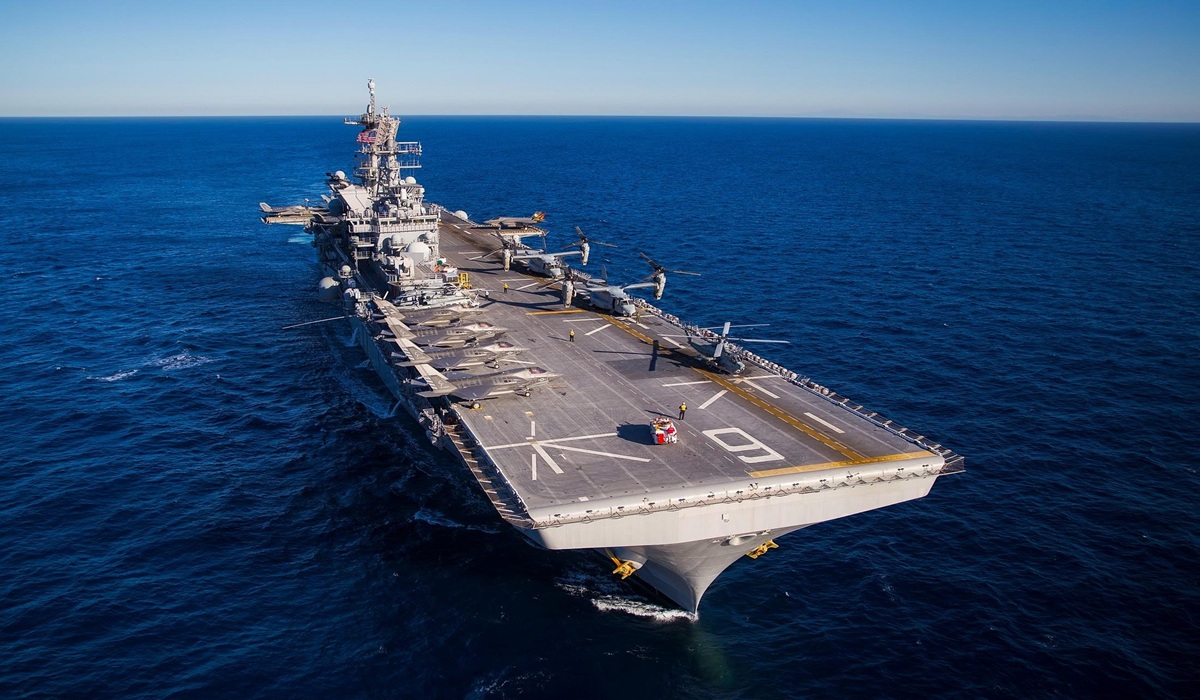
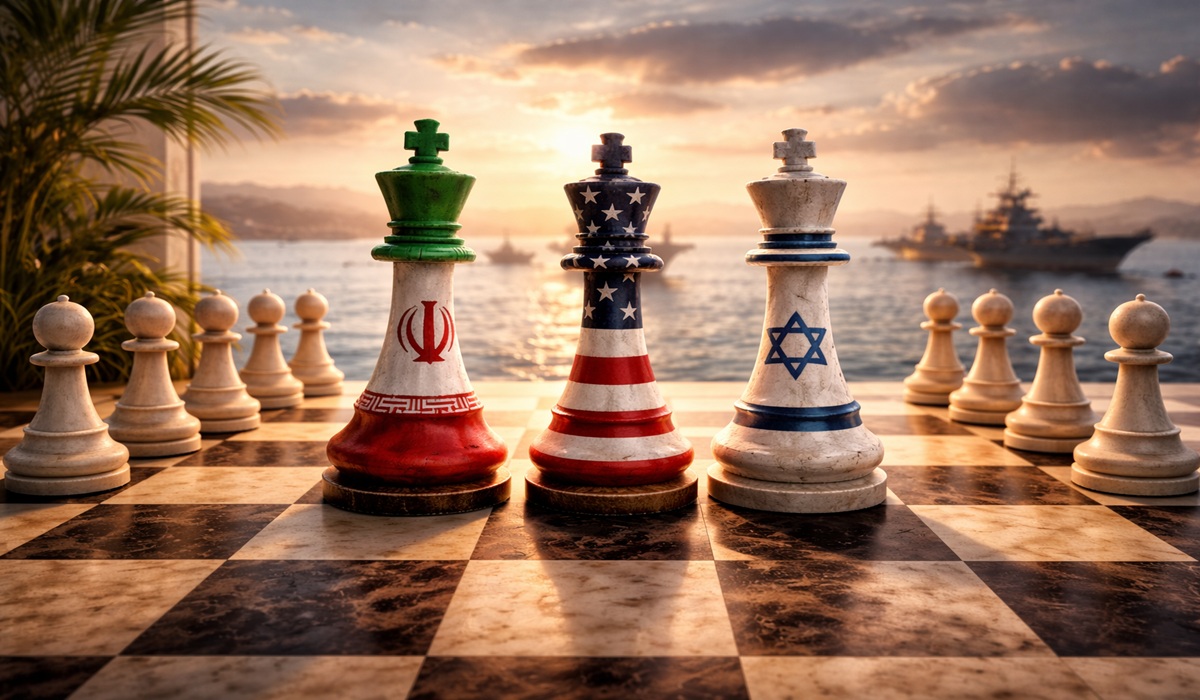
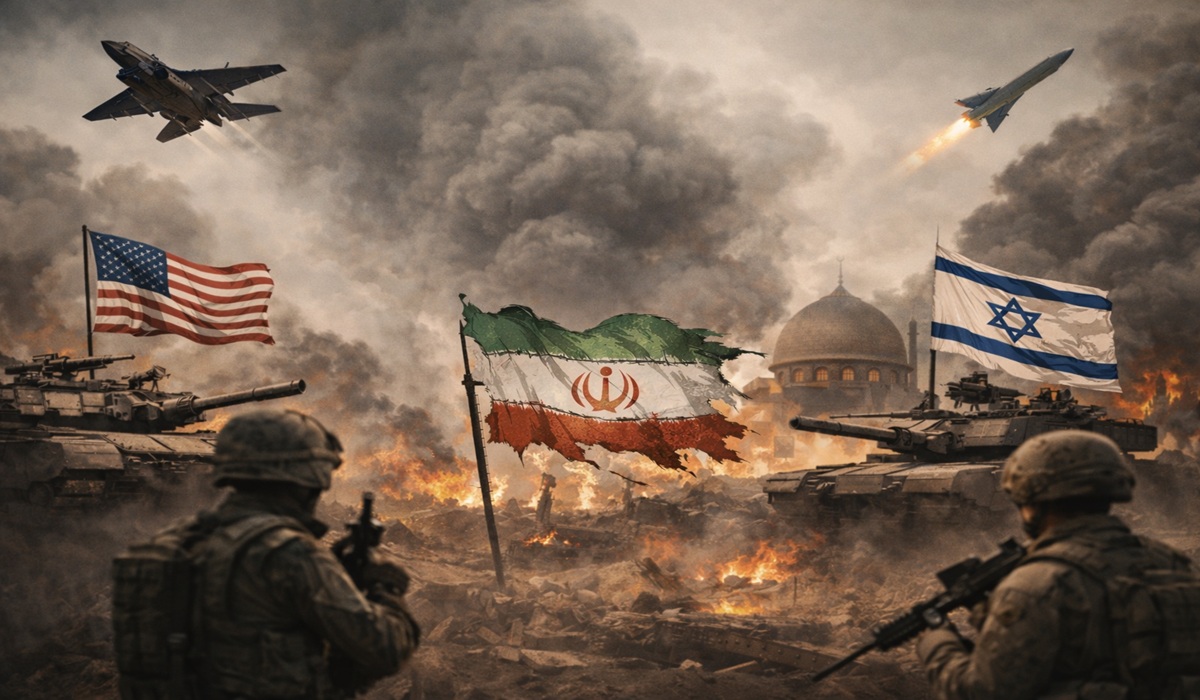
Growing tension between US- Israel and Iran has raised a fundamental question in global politics: Is US fighting Iran to protect its own national interests, or has it stepped into the arena to defend Israel’s strategic interests? The trajectory of American foreign policy suggests that Israel’s security has long occupied central place in Washington’s strategic priorities. This is why whenever Israel feels threatened by a regional power, US tends to stand by it either directly or indirectly. The long-standing hostility between Iran and Israel has further complicated the situation. Israel considers Iran’s nuclear program and missile capabilities an existential threat, while Iran views Israel as an American proxy and symbol of US dominance in the region. In this context, when US participates in military actions against Iran, the perception inevitably emerges at the global level that US may in fact be fighting Israel’s war.
Within US , dissenting voices regarding such war are increasingly being heard. Some circles within US military and a number of former soldiers have raised the question of whether American troops should sacrifice their lives in a conflict that is not directly linked to the defense of American territory or the safety of its citizens. Certain American soldiers have expressed reservations about participating in war against Iran. They argue that if objective of war is to safeguard interests of an allied country, its moral and legal legitimacy becomes questionable. American history offers similar precedents, particularly during Vietnam and Iraq wars, when many soldiers and officers openly questioned policies that had drawn them into those conflicts. Similar debate now appears to be resurfacing in US about where line between national interest and allied interest should be drawn.
ME remains the center of global energy politics, and Persian Gulf is one of the world’s most critical routes for oil supply. If Iran, in response to the conflict, attempts to block or disrupt Strait of Hormuz or other strategic maritime routes, global oil prices could surge dramatically. Such development would create instability in global economy, directly affecting US and its allies. The wars in Iraq and Afghanistan already cost US trillions of dollars. A war against Iran could prove even more expensive because Iran’s geography, population, and regional influence are far greater.
Diplomatic consequences of such war would also be significant. Many countries are already uneasy with what they perceive as unilateral American military policies. If US, in coordination with Israel, becomes involved in a prolonged war against Iran, it could create visible fractures in its relations with Europe and other global powers. Some European countries are already reluctant to become part of such conflicts, as they fear further instability in ME. If global public opinion begins to turn against Washington, America’s international leadership and moral credibility could suffer serious damage. The impact of such a conflict on the region would be profound.
Iran is a major player in Middle Eastern politics and maintains ties with various regional allies. Continuous attacks on Iran could provoke retaliatory responses that might intensify tensions in Lebanon, Syria, Iraq, and parts of Gulf. In such circumstances, security of the entire ME could be endangered, raising possibility of a broader regional war. If conflict spreads further, it could also disrupt global trade, energy supplies, and international political stability. Public opinion within US is also likely to be affected by such a war. American society is still shaped by the experiences of long and costly wars in Iraq and Afghanistan.
If war against Iran becomes extended and results in increasing casualties among American soldiers, public backlash against Trump would be a natural consequence and American political leadership would face serious domestic pressure as well.
Strategic alliance between US and Israel spans several decades and has deeply influenced political landscape of ME. Every alliance carries a price. If US moves too far into a war against Iran, it could face heavy costs at military, economic, and diplomatic levels. Outcome of such war will not be determined solely on battlefield; global politics, economic realities, and public opinion will all play crucial roles in shaping final result.
Military power alone rarely produces lasting solutions. Iran is a nation with a strong sense of historical resilience and national identity. US and Israel have imposed war upon Iran. This pressure has actually strengthened national unity. The consequences of such conflict would not be limited to US or Iran alone; the entire world could be forced to bear its repercussions. Wisdom demands that global powers prioritize diplomacy over confrontation. If tensions between US and Iran are not reduced through negotiations and political strategy, the conflict may not remain confined to a regional war but could evolve into a serious threat to global peace and stability. The crucial question therefore remains: should US truly plunge into another dangerous war for Israel, or is it time for Washington to reconsider its policies?
About The Author