Fragile Calm, Hard Lines: Gaza Conflict Enters Another Uncertain Phase
- Naomi Dela Cruz
- Middle East
- Trending News
- February 11, 2026
The situation in Gaza and the surrounding region continues to evolve with a tense mix of military pressure, humanitarian strain, and cautious diplomacy shaping daily life. In recent weeks, Israeli forces have continued targeted operations in areas of northern and central Gaza, focusing on locations they say are linked to militant activity. These operations have followed months of intermittent ceasefire talks that have yet to produce a durable agreement. While there have been brief periods of reduced violence, the underlying conflict remains unresolved, and the atmosphere across the region continues to feel unstable and unpredictable.
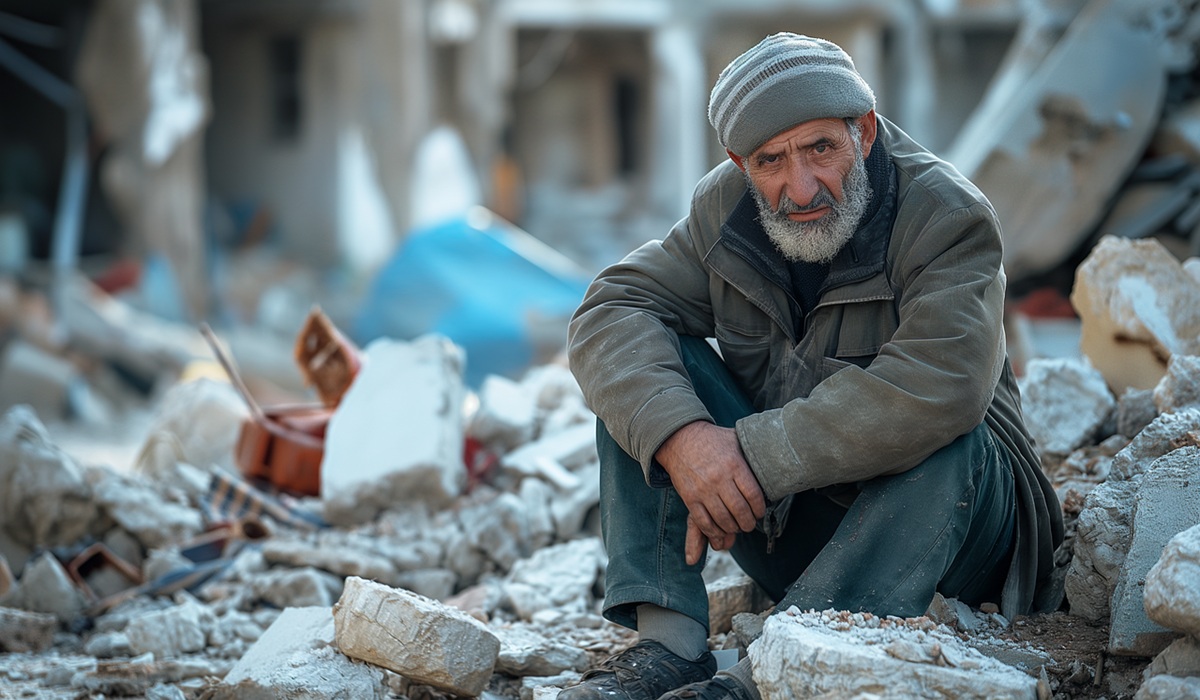
Inside Gaza, conditions remain extremely difficult for civilians. Large sections of infrastructure have been damaged, and access to food, clean water, and medical supplies continues to depend heavily on aid deliveries. International organizations have been working with Egypt to keep humanitarian corridors open through the Rafah crossing, though the flow of supplies has been inconsistent at times. Hospitals, many operating with limited electricity and equipment, remain under intense pressure as they deal with both emergency injuries and ongoing health needs. The reality on the ground is that daily life has been reduced to survival for many families.
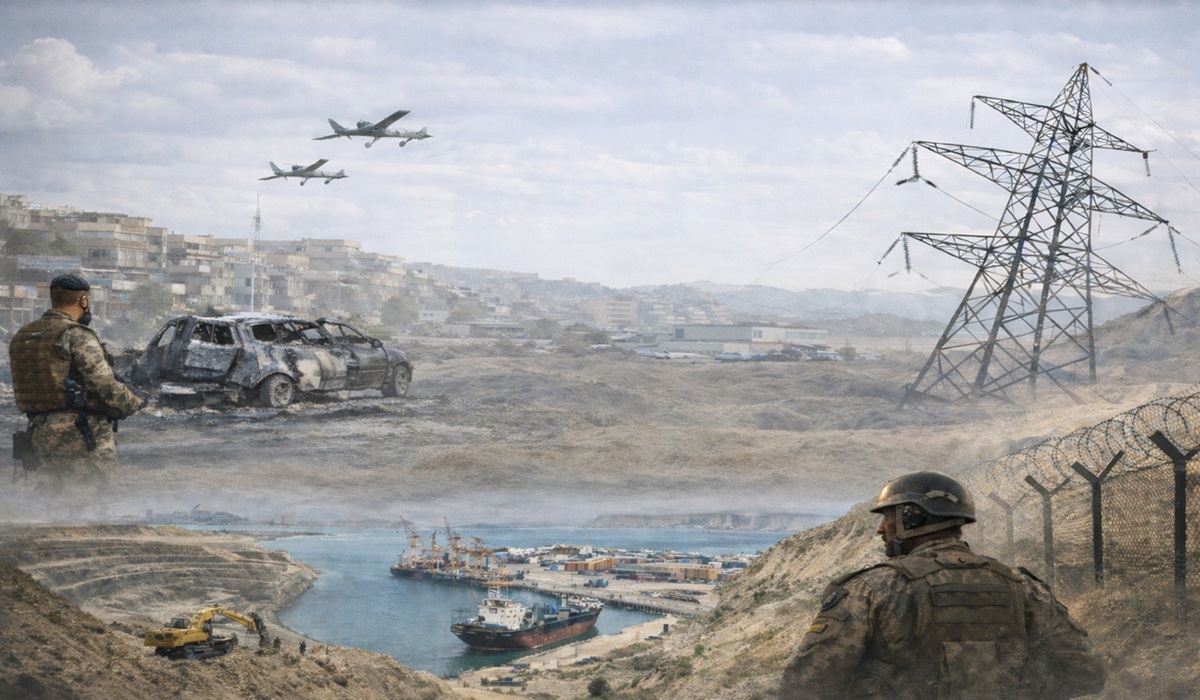
Israel has maintained a strong military posture along its southern border, with continued air surveillance and readiness in nearby communities. Officials have said the operations are aimed at weakening militant networks and preventing future attacks. At the same time, Israeli towns near the Gaza border have lived under constant alert, with residents frequently moving in and out of protected areas as warnings are issued. This has created a pattern of disruption that has become a part of normal life for those living closest to the conflict zone.
Diplomatic efforts have not stopped. Egypt and Qatar have continued acting as key intermediaries, holding talks with both Israeli representatives and Palestinian leadership in attempts to secure a longer pause in fighting. There have also been discussions around hostage releases and prisoner exchanges, which many observers see as a potential path toward a broader agreement. The United States say they want peace, but they are implicit in the crisis and death of civilians and destruction of the region.
Beyond Gaza, tension has also been visible along Israel’s northern frontier. Exchanges of fire across the border with Hezbollah in southern Lebanon have remained limited but persistent. Each incident raises concern that the conflict could spread into a wider regional confrontation. Iran’s continued support for allied groups in the region remains a major factor in how security planners view the situation. As a result, military readiness across several countries has stayed high, even during moments when active fighting appears to slow.
For civilians across the region, the conflict has created a deep sense of uncertainty. Families in Gaza continue to move between temporary shelters, while Israeli communities near the border live with the constant possibility of escalation. The broader Middle East is watching closely, aware that even small developments can have ripple effects. What makes the situation particularly fragile is that progress in diplomacy often comes in small steps, while setbacks can happen suddenly and dramatically. For now, the region remains caught between the hope of negotiation and the reality of ongoing tension.
About The Author