Flooded Again: Winnipeg Police Headquarters Faces Fresh Damage and Old Questions
- Don Woodstock
- Breaking News
- February 15, 2026
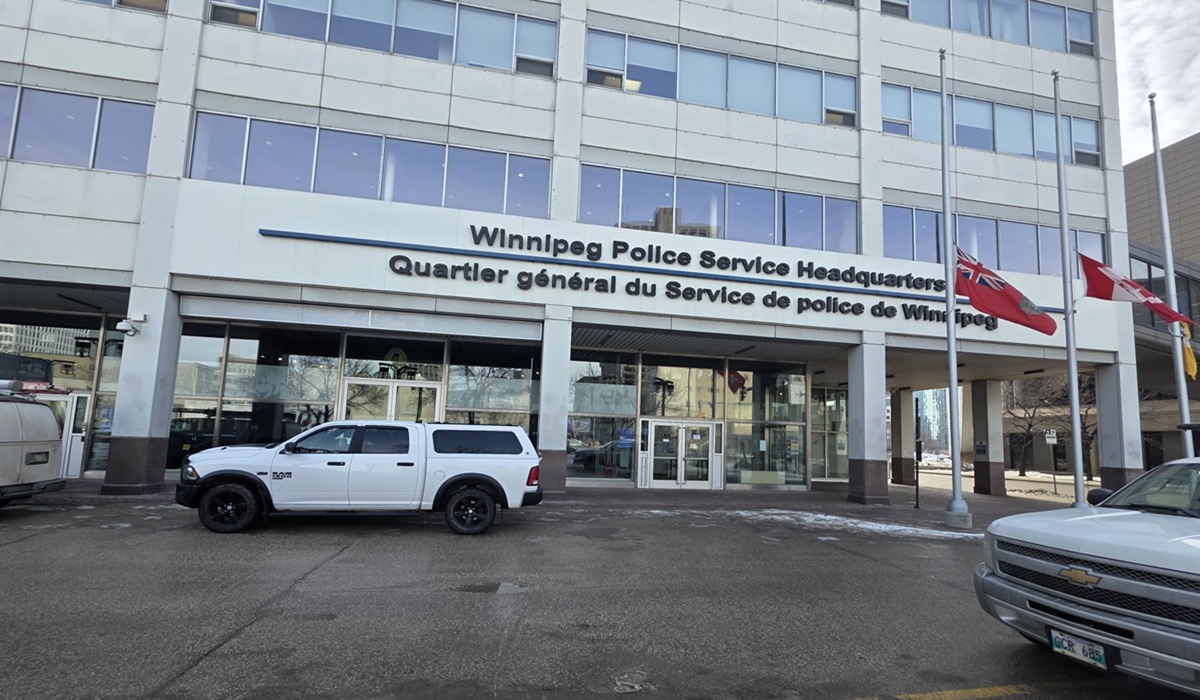
What began as a reported flooding incident at Winnipeg Police headquarters is now raising deeper and more troubling questions about security, infrastructure, long-term costs, and public confidence in a building that has faced controversy from the start.
On the evening of February 14, water surged through parts of the headquarters complex at 266 Graham Avenue after two individuals allegedly opened multiple emergency water supply valves in an adjoining tower stairwell. The pressure buildup forced water into the structure, flooding working areas and causing damage that officials say is still being assessed. A 51-year-old man and a 36-year-old woman were later arrested nearby and charged with multiple counts of mischief over $5,000.
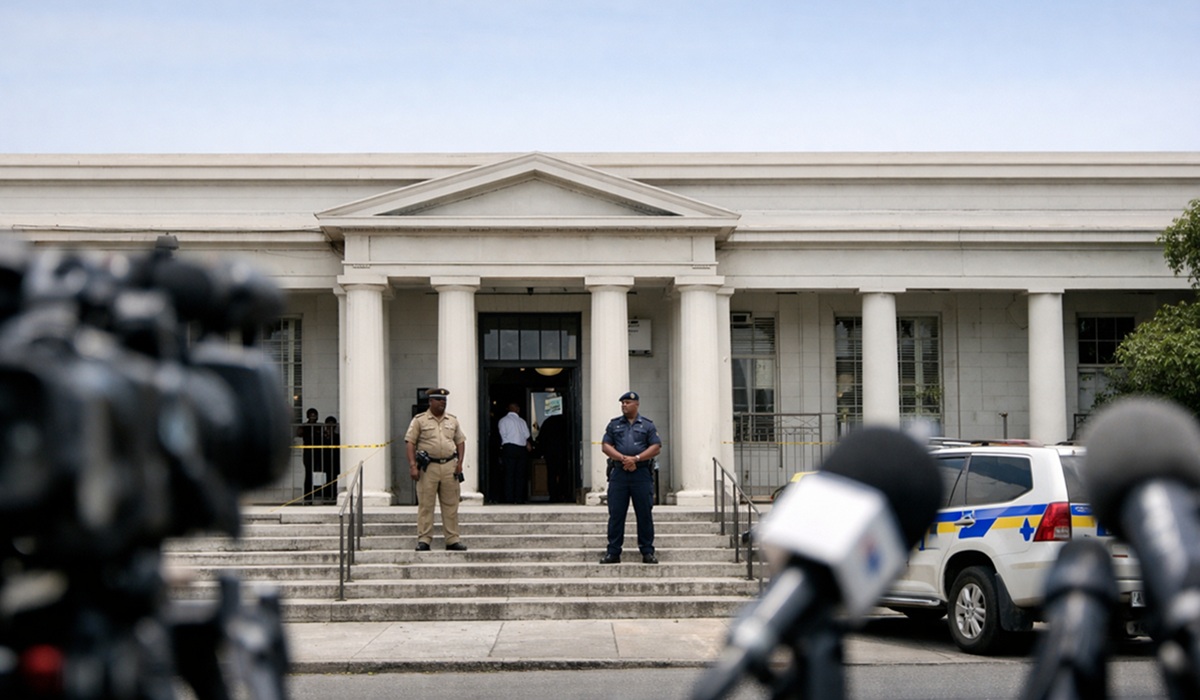
At a press conference held today, police spokesperson Dani McKinnon confirmed the basic facts and emphasized that uniform operations remain unaffected. In-person reporting at 245 Smith Street was temporarily closed, and the public has been directed to online reporting and non-emergency phone lines. When asked whether there had been any previous or recent water damage in the building, McKinnon responded carefully and diplomatically, keeping the focus on the ongoing investigation and offering few specifics. The cautious tone left many questions lingering.
Inside the building, however, the visual evidence already suggests a situation that goes beyond a minor disruption. Photos from the Canada Post section, which still occupies part of the facility for mail sorting, show ceilings completely soaked, tiles sagging and falling, and floors saturated. Postal equipment and electronics appear damaged, in some cases destroyed. Restoration crews were already moving through the space, beginning what will likely be a lengthy drying and repair process.
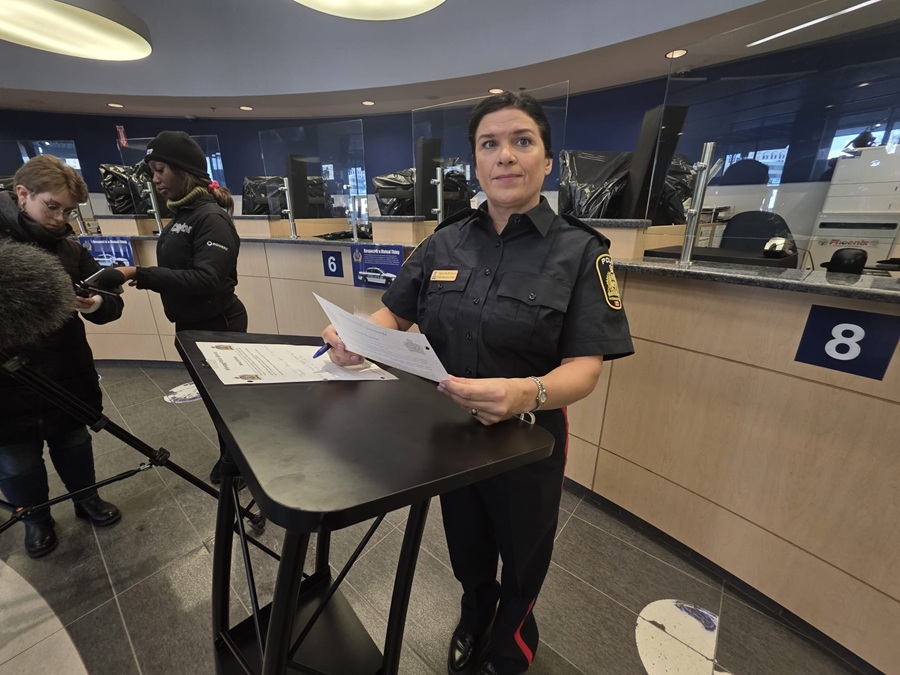
In police work areas, garbage bags have been placed over electronic equipment to protect against ongoing leaks. It is a practical measure, but also a revealing one. When emergency coverings are needed to shield essential systems, the extent of the damage becomes harder to downplay. There was also a close call during the incident itself, with one account describing a chandelier dropping in front of an officer. No injuries were reported, but it highlights how quickly structural stress can turn into a safety hazard.
The incident also raises serious questions about security and design. The idea that two individuals could access emergency valves and trigger flooding that shut down portions of a major police facility is difficult to ignore. Even without assigning blame, it suggests vulnerabilities that go beyond this single event. A police headquarters is expected to be resilient and secure, yet this situation shows how easily essential infrastructure can be disrupted.
The concern extends to operational risk. Lower levels of the building house squad cars, equipment, and other critical resources. While details about damage in those areas have not been fully outlined, moisture spreading through multiple levels raises obvious concerns about vehicles, electronics, and stored materials. If equipment is compromised, even temporarily, the effects ripple far beyond a few flooded rooms.
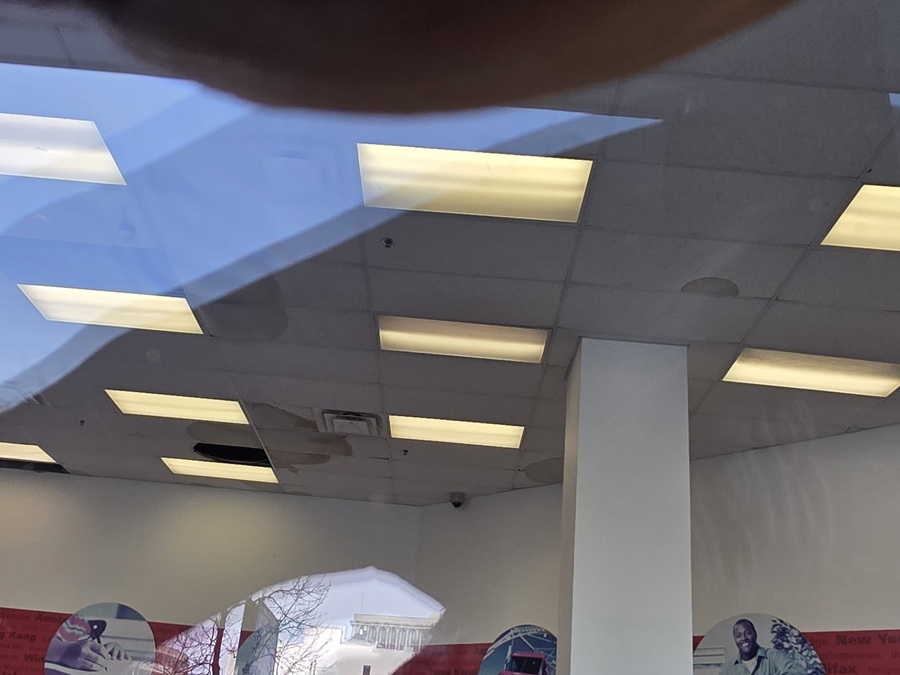
Another issue that cannot be overlooked is what happens in the weeks and months ahead. Water damage on this scale creates the conditions for mold, and mold does not simply disappear once the water is shut off. Large buildings take time to dry, and if moisture has spread through walls, ceilings, and mechanical systems, the cleanup could be complex and prolonged. That means repairs are unlikely to be quick or inexpensive.
This latest incident also reopens old wounds. The headquarters project cost more than $200 million and was already over budget when completed. In 2014, a major flood caused damage that cost more than $8 million to repair, with insurance covering part of the cost and taxpayers ultimately sharing the burden. The legal battles, court costs, and controversy surrounding the project stretched on for years and, in some respects, still linger today.
It is impossible to separate this moment from the decisions made at the time. City council, the mayor’s office, and the Executive Policy Committee approved this location despite numerous red flags raised during planning and construction. Citizens have not forgotten the drawn-out disputes, the cost overruns, and the sense that warnings were brushed aside. This latest incident brings those concerns back into focus.
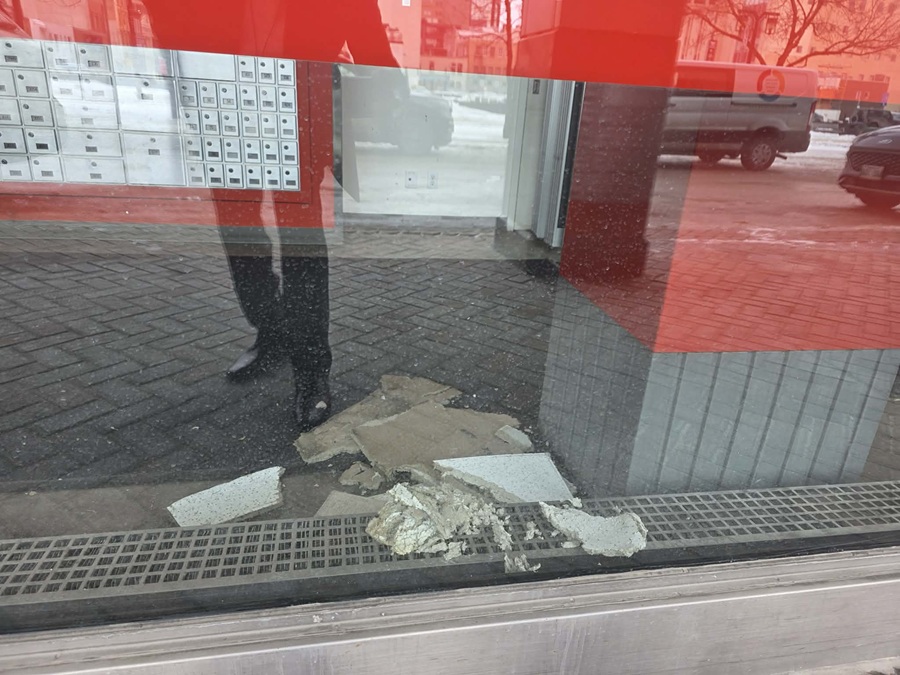
There is also the larger, uncomfortable question that now hangs over the situation. If significant sections of the building become unusable for an extended period, what happens next? A police headquarters cannot be relocated overnight. It houses specialized units, equipment, and vehicles that depend on a centralized structure. Even a temporary relocation would be complex, disruptive, and expensive, with ripple effects across operations.
For now, officials are still assessing the damage and urging patience as the investigation continues. But the images of soaked ceilings, falling tiles, covered electronics, and active restoration efforts have already shaped public perception. The timeline for full repairs is uncertain. The long-term cost is unknown. And the broader question about whether this location was ever the right choice has quietly returned.
This was not just a plumbing failure. It exposed vulnerabilities, reopened old debates, and reminded the public how fragile even critical infrastructure can be. As more details emerge, the focus will shift from what happened that night to what it means going forward, and whether the city is once again facing a costly and complicated chapter tied to a building that has served more like a money pit and a blank cheque to the Winnipeg taxpayers.
About The Author