First Nations Call for Review of Manitoba Child Welfare Funding
- TDS News
- Indigenous
- Trending News
- February 14, 2026
By: Donovan Martin Sr, Editor in Chief
A growing call for reform is echoing across Manitoba as First Nations leadership pushes for an immediate and thorough review of the province’s child welfare funding structure. The Southern Chiefs’ Organization has stepped forward with a strong and urgent message, warning that the current system is not meeting the needs of children, families, or the agencies responsible for their care.
Grand Chief Jerry Daniels spoke candidly about the situation, saying the model in place has failed to deliver what was promised. He stressed that it does not provide the level of support agencies require to keep children safe, does little to strengthen prevention efforts, and does not treat First Nations children fairly. According to Daniels, the impact is being felt deeply within communities, with families carrying the burden of a system that is not working as intended.
At the center of the concern is Manitoba’s single envelope funding model for child and family services, introduced in 2019. It was originally presented as a flexible approach designed to improve prevention programming, help reduce the number of children entering care, and support reunification efforts. Despite those goals, leaders say funding levels did not increase alongside expectations. Allocations continue to be driven largely by the number of children already in care, which they argue leaves agencies without the capacity to invest in early support that could prevent family separation in the first place. A three year review of the model was promised when it was launched, but that review has never been completed.
The stakes are particularly high when looking at the makeup of the child welfare system in Manitoba. According to the province’s 2024 to 2025 Department of Families annual report, 91 percent of children in care are Indigenous. Even with that reality, southern First Nations agencies funded by the province say they do not receive the level of support needed to meet demand. The result, leaders say, is fewer prevention programs, limited culturally grounded services, and not enough frontline staff to properly support children and families.
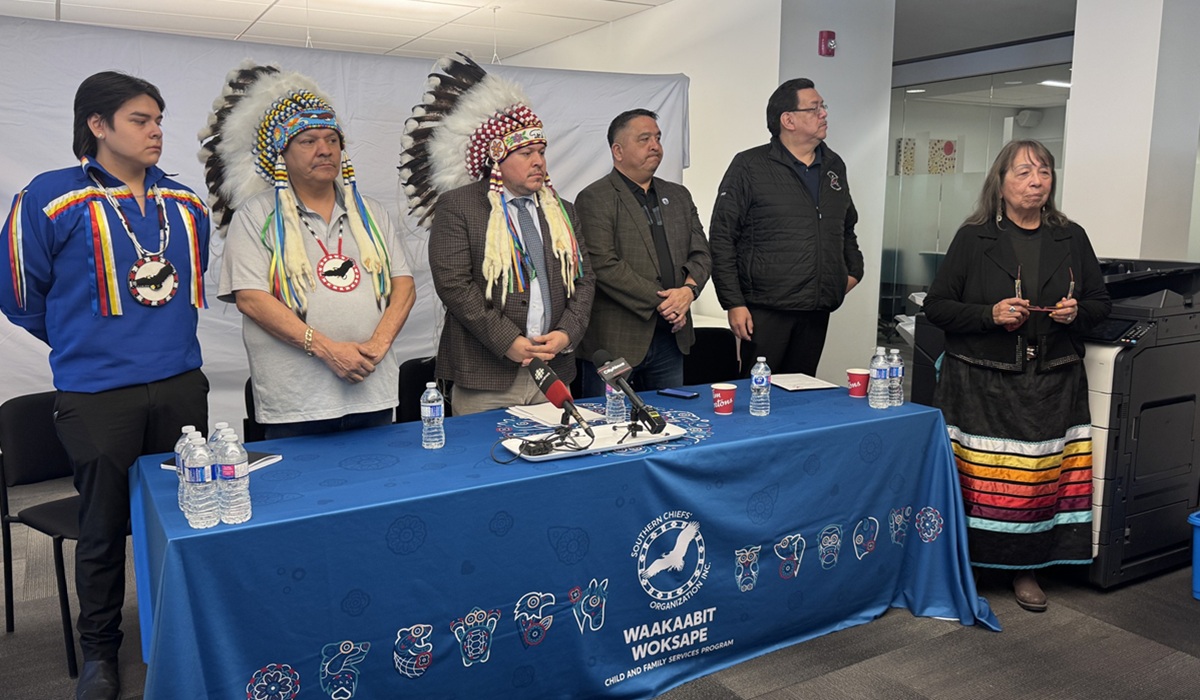
Concerns intensified following a February 5 meeting involving the Southern First Nations Network of Care, where participants examined how funding is split between federal and provincial responsibilities. They warned that this divided structure creates uneven outcomes, with children receiving different levels of support depending on which government is responsible for funding their services. For leaders, this creates a system where inequality is built into the framework itself.
Lake Manitoba First Nation Chief Cornell McLean spoke about the real world consequences of underfunded prevention work. He explained that when families cannot access help early, problems escalate. When agencies are stretched too thin, workers burn out. And when funding does not reflect the true needs of communities, children ultimately suffer. He emphasized that First Nations know how to support their own families and communities but need the proper resources to make those efforts effective and sustainable.
The funding model is also seen as a barrier to broader goals around rebuilding First Nations authority over child welfare. On October 19, 2023, Premier Wab Kinew directed the Minister of Families through a mandate letter to work with Indigenous governments on returning responsibility for child welfare back to Nations and families. Leaders say that commitment cannot be fulfilled under a system they view as structurally underfunded and inequitable. Without adequate support, they argue, the transfer of responsibility risks becoming symbolic rather than meaningful.
Dakota Plains Wahpeton Oyate Chief Don Smoke called for direct engagement with First Nations leadership and technical experts, saying that genuine progress depends on open communication and respectful collaboration. He stressed that if the province is serious about reconciliation and the well being of children, discussions must move beyond promises and into action shaped by those with lived experience and on the ground knowledge.
Youth voices are also part of the call for change. Peguis First Nation Youth Chief Billy Bird highlighted the importance of ensuring that leadership and young people are included when decisions are made about the future of child welfare systems. He said that if responsibility is truly being transferred back to Nations, then inherent rights must be respected and supported with real resources, not just words.
Pinaymootang First Nation Chief Kurvis Anderson reflected on the expectations created by past agreements. He noted that a declaration was signed in May to support a positive working relationship between First Nations and the province. Now, he said, leaders are returning to the table on behalf of children, looking for the same level of commitment but also for meaningful follow through. Listening and signing documents, he suggested, is not enough without concrete change.
The Southern Chiefs’ Organization is now urging the Manitoba government to begin the comprehensive review that was first promised in 2019. Leaders are calling for full engagement with First Nations agencies and leadership, and for a shift toward equitable funding that places a stronger focus on prevention and community based care.
At the heart of the message is a call to ensure that children grow up in safe, stable, and culturally grounded environments. Grand Chief Daniels emphasized that if reconciliation is to have real meaning, the province must address the funding gap. In his view, responsibility cannot be transferred without also transferring the resources needed to do the work properly and safely. For communities on the front lines, the future of children depends on getting that balance right.
About The Author