FBI Probe Rocks NBA: Chauncey Billups and Terry Rozier Implicated in Mafia-Linked Betting Scandal
- Kingston Bailey
- Sports
- October 23, 2025

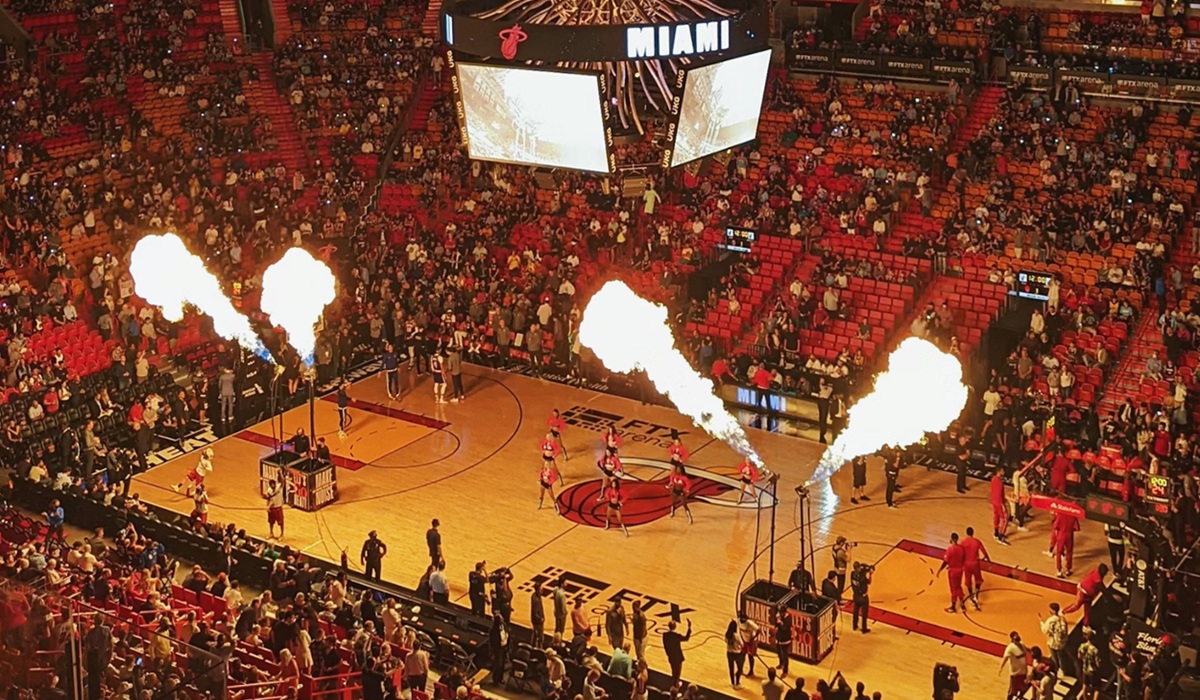
The National Basketball Association is reeling from what may become the biggest integrity scandal in its history. On October 23, 2025, the Federal Bureau of Investigation (FBI) unsealed two major indictments linking Portland Trail Blazers head coach Chauncey Billups and Miami Heat guard Terry Rozier to overlapping criminal cases involving illegal gambling, insider betting, and ties to organized crime families. The cases strike at the heart of the NBA’s promise of fair play and transparency, and they may expose a vast underground network of sports corruption.
According to the indictments filed in the Eastern District of New York, Billups and Rozier are among more than 30 defendants charged in a web of criminal activity spanning years. The FBI and U.S. Attorney’s Office allege that the schemes combined illicit sports betting, rigged poker games, money laundering through cryptocurrency, and mafia-backed racketeering. Both men are facing multiple counts that could carry significant prison time if convicted.
Terry Rozier’s case centers around insider sports betting. Federal investigators claim Rozier and several accomplices used non-public team information — such as player injuries, rest schedules, and lineup decisions — to influence betting outcomes on NBA prop wagers. One example cited in the indictment references a 2023 Hornets game where Rozier exited early with a supposed injury, coinciding with a flood of “under” bets placed by accounts linked to the ring. While the NBA cleared Rozier at the time, the FBI now claims it has digital evidence, including encrypted text messages, showing intentional manipulation of betting lines.
For Chauncey Billups, the allegations strike a different chord but share the same underworld connections. Prosecutors allege that the veteran coach participated in a high-stakes poker ring operating out of luxury suites in New York, Las Vegas, and Los Angeles. The games, they claim, were run by associates of the Bonanno and Genovese crime families, complete with rigged card shufflers and hidden camera tables. The operation allegedly generated millions in illicit profits, laundered through crypto exchanges and shell accounts overseas. Billups was arrested in Oregon and has since been released on bail pending extradition to New York.
The link between the two cases is chilling: several figures appear in both indictments, including former NBA player Damon Jones and a handful of bookmakers with known mafia affiliations. The FBI called the network “one of the most brazen sports corruption schemes since the Tim Donaghy case,” referencing the 2007 referee scandal that shook the league.
Legalized sports betting in the United States has exploded in recent years, with the NBA partnering with major sportsbooks to capitalize on the trend. Yet this same openness has created a vulnerability — one where insider access and gambling intersect. Rozier’s alleged betting on player prop outcomes and Billups’ poker dealings expose how fragile that boundary can be when money, fame, and organized crime collide.
Reactions across the league have been swift but cautious. The NBA issued a brief statement saying it is “cooperating fully with federal authorities and will take appropriate measures once the facts are established.” The Miami Heat and Portland Trail Blazers have both placed their personnel on indefinite leave pending investigation. Behind the scenes, sources report panic in the league office, as investigators comb through communication records and betting data looking for further links to other players, referees, or staff.
For the players and coaches implicated, the stakes are existential. Conviction could mean permanent expulsion from the NBA, forfeiture of contracts, and long-term prison sentences. For the league, the reputational damage could be catastrophic. The NBA has built its image on star power and global credibility, but even a whisper of corruption undermines fan trust and the sport’s integrity.
The FBI’s case also reveals how organized crime has adapted to the digital age. Gone are the smoky backrooms of the past; today’s gambling rings operate through crypto wallets, offshore servers, and encrypted communication. In both Billups’ and Rozier’s cases, investigators reportedly traced money through a blockchain analytics trail leading to known mafia-linked accounts. It’s a new era of high-tech racketeering — and one the NBA now finds itself ensnared in.
As of now, both men maintain their innocence. Billups’ attorney dismissed the claims as “wildly exaggerated,” arguing that his client merely attended social poker games and had no knowledge of rigged devices. Rozier’s legal team similarly stated that the government’s case “relies on speculative coincidences, not evidence.” Yet the FBI insists it has corroborating data, including betting patterns, text records, and surveillance footage that will “speak for itself” in court.
If proven, the consequences could reshape the future of sports regulation. Expect new policies limiting player and staff access to betting markets, stricter monitoring of prop bets, and broader coordination between federal agencies and professional leagues.
Still, the deeper question lingers: how did such a network fester under the NBA’s nose for years? For a league that markets itself as progressive, transparent, and global, the unfolding scandal threatens to shatter its carefully crafted image.
Whether the allegations stand or crumble under scrutiny, this investigation will define how seriously American sports treat the integrity of the game in the age of legalized gambling.
About The Author