Exploring Culture, Innovation, and Renewal in China’s Northwest
- Maryam Razzaq
- China
- December 2, 2025
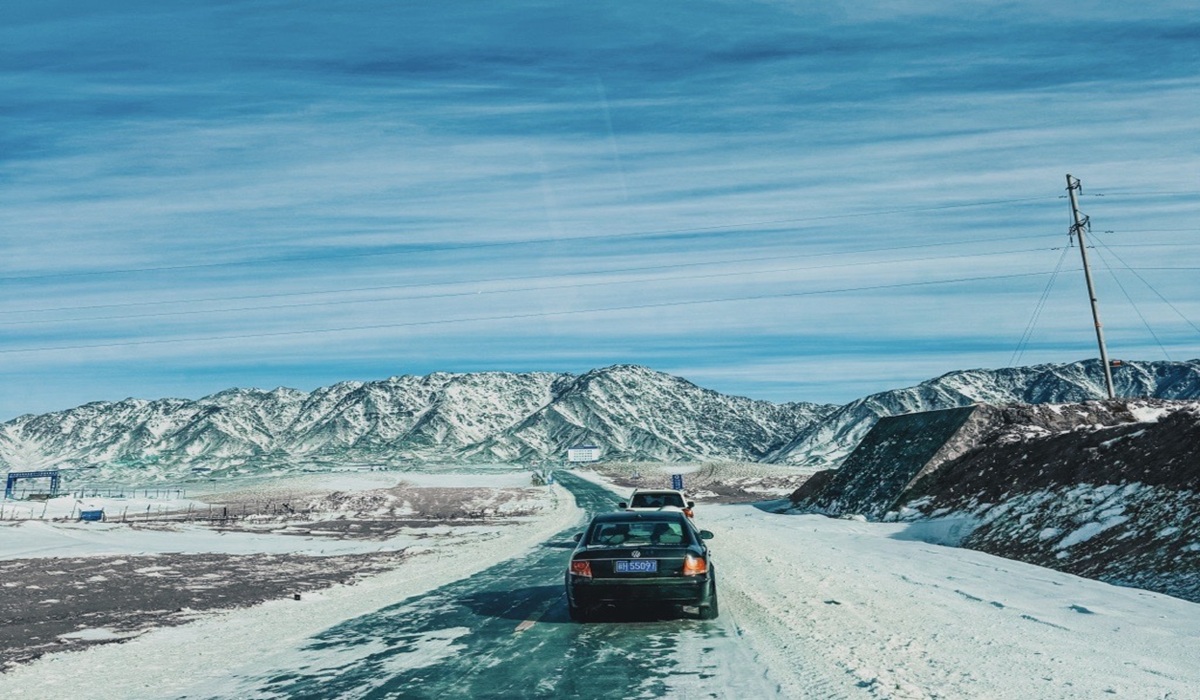
A recent Canadian delegation returned from China with a renewed understanding of a region often discussed but rarely experienced first-hand. The journey combined cultural exploration with a close look at the country’s fast-growing technological landscape, offering a perspective that balances heritage with modern advancement.
The delegation visited Xinjiang, a region known for its deep cultural layers and remarkable diversity. Dozens of ethnic communities live side by side, each contributing its own languages, foods, artistic traditions, and daily rhythms. Visitors noted the region’s thoughtful support for its predominantly Muslim population. Halal food is widely available in markets and restaurants, and local customs are woven naturally into the fabric of everyday life. The atmosphere across the region was described as peaceful, with a strong sense of safety and stability shaping public life.
Alongside its cultural richness, China’s rapid technological development emerged as a central theme of the trip. In Beijing, the delegation visited the headquarters of Xiaomi, a major player in consumer electronics and electric vehicle innovation. The group observed the company’s growing focus on environmentally conscious transportation. Many of the electric vehicle models presented were efficient, competitively priced, and equipped with advanced features that aim to make low-emission travel more accessible.
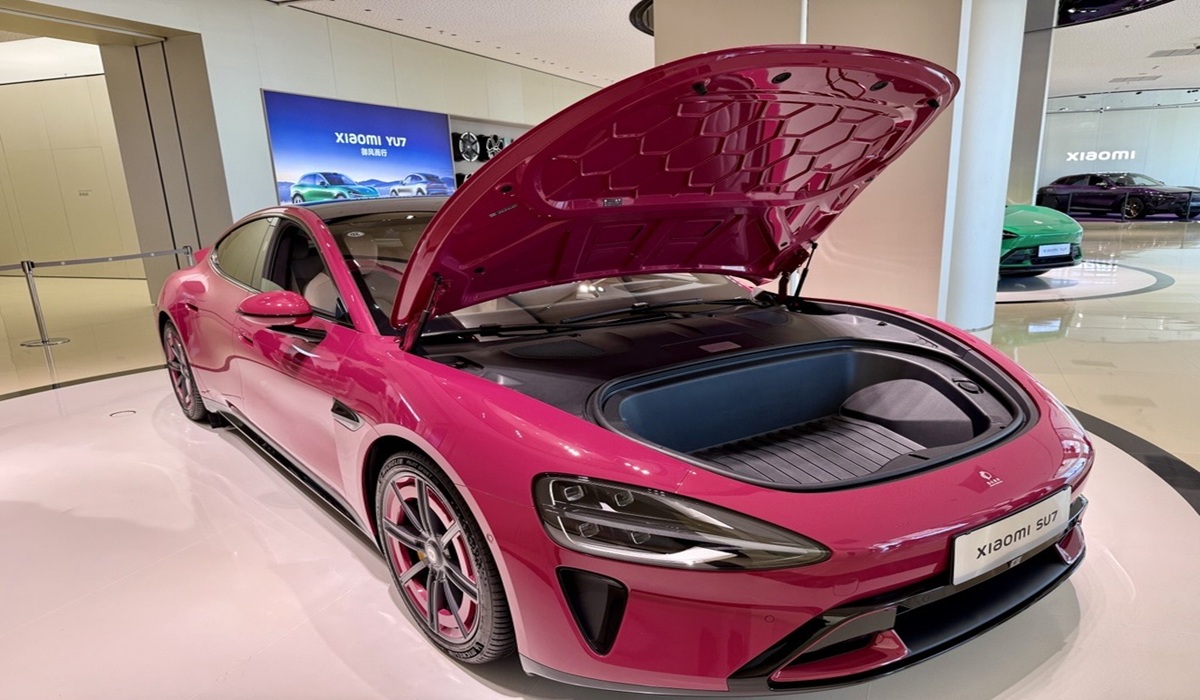
Xiaomi’s electric vehicle on display, showcasing innovation, accessibility, and environmentally friendly design.
The delegation also experienced Beijing’s autonomous bus system. Riders can book a seat through WeChat, and the fare is only four yuan. The service highlights how China is using AI, automation, and digital platforms to reshape urban transportation in ways that are practical and low-cost.
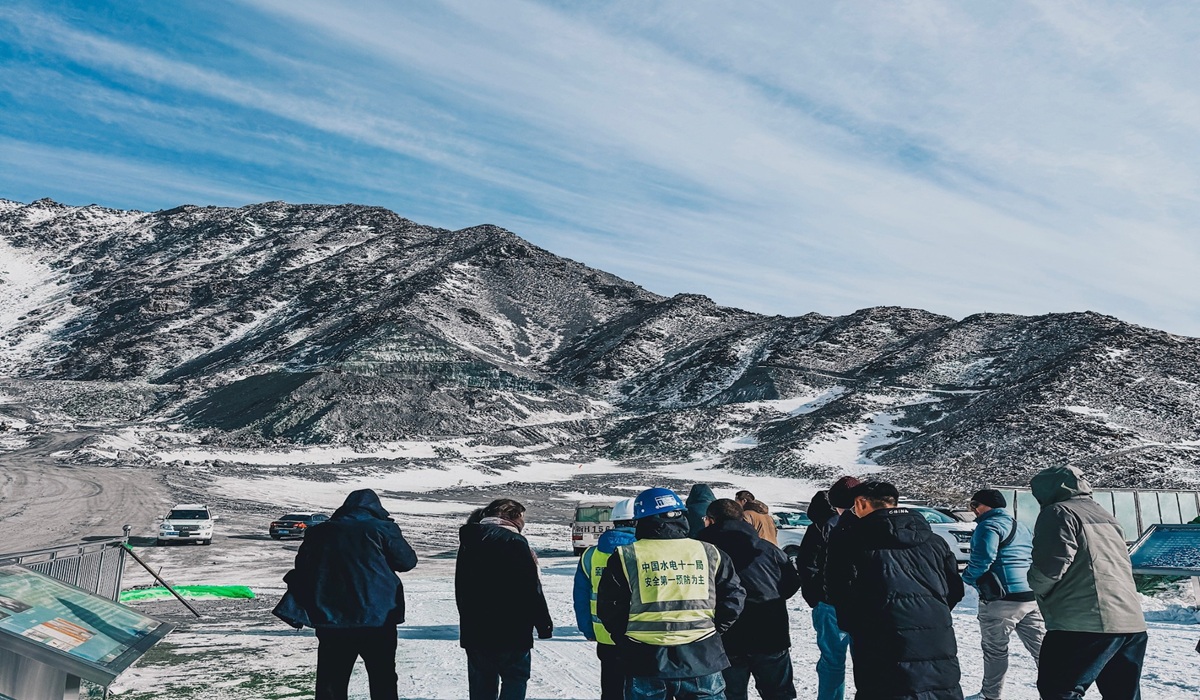
In Xinjiang, the group encountered large-scale renewable energy projects that reveal a different dimension of the country’s development. The Altay region is becoming a key site for clean energy production, with wind turbines and solar installations spread across the mountains. These projects are part of a long-term plan expected to continue developing through 2030. The focus is on generating renewable power while protecting the natural environment. The scale of the work and the commitment to sustainability left a strong impression on observers.
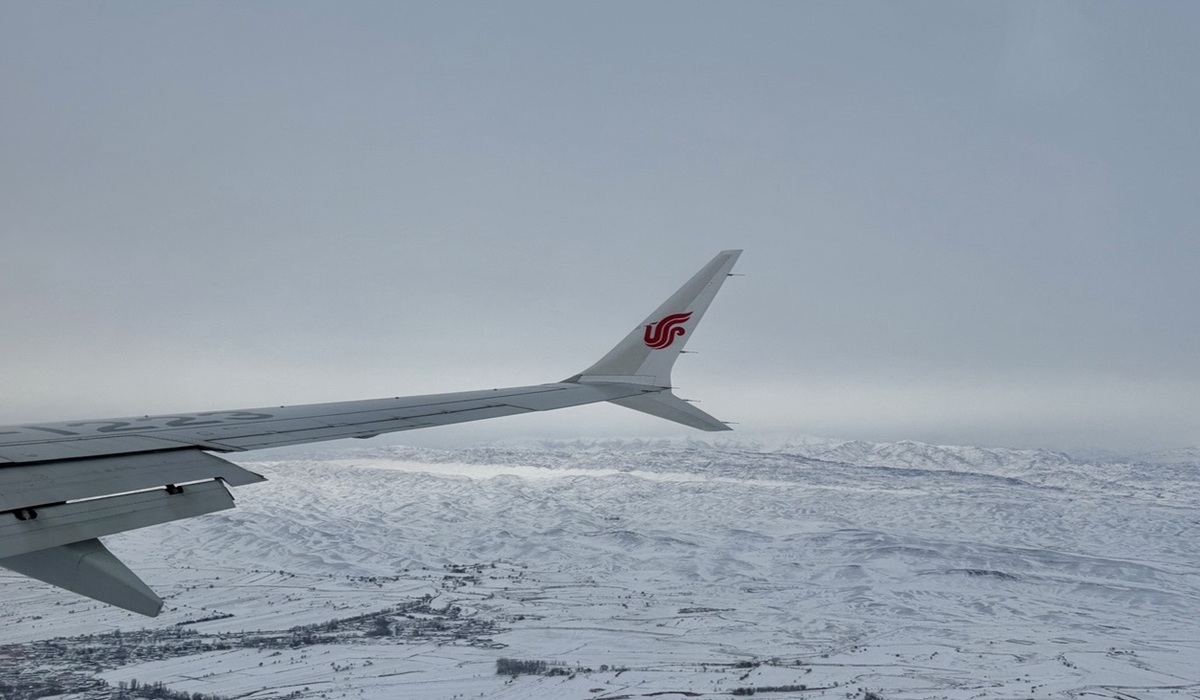
Aerial view of the Altay mountains in Xinjiang, where clean energy projects harness wind and solar power.
Digital integration was another noticeable feature. Daily life in many parts of China now functions with little use of cash. Mobile payments, QR systems, and app-based public services support a fast and efficient pace of living. For visiting Canadians, the blend of digital convenience and community-centered planning offered a glimpse of possibilities that may influence future policy conversations at home.
For Canadians seeking to better understand China, this delegation’s experience suggests that the country cannot be viewed through a single lens. Its cultural heritage remains vibrant, while its technological and environmental initiatives signal an ambitious forward direction. The trip highlighted the value of firsthand observation when navigating global conversations and demonstrated how cultural insight and technological awareness can work together to create a fuller picture of a complex and rapidly changing region.
Written by: Maryam Razzaq
About The Author