Europe Prepares for a Post-American Security Order as the Trump Effect Reshapes the West
- Kingston Bailey
- Breaking News
- January 12, 2026
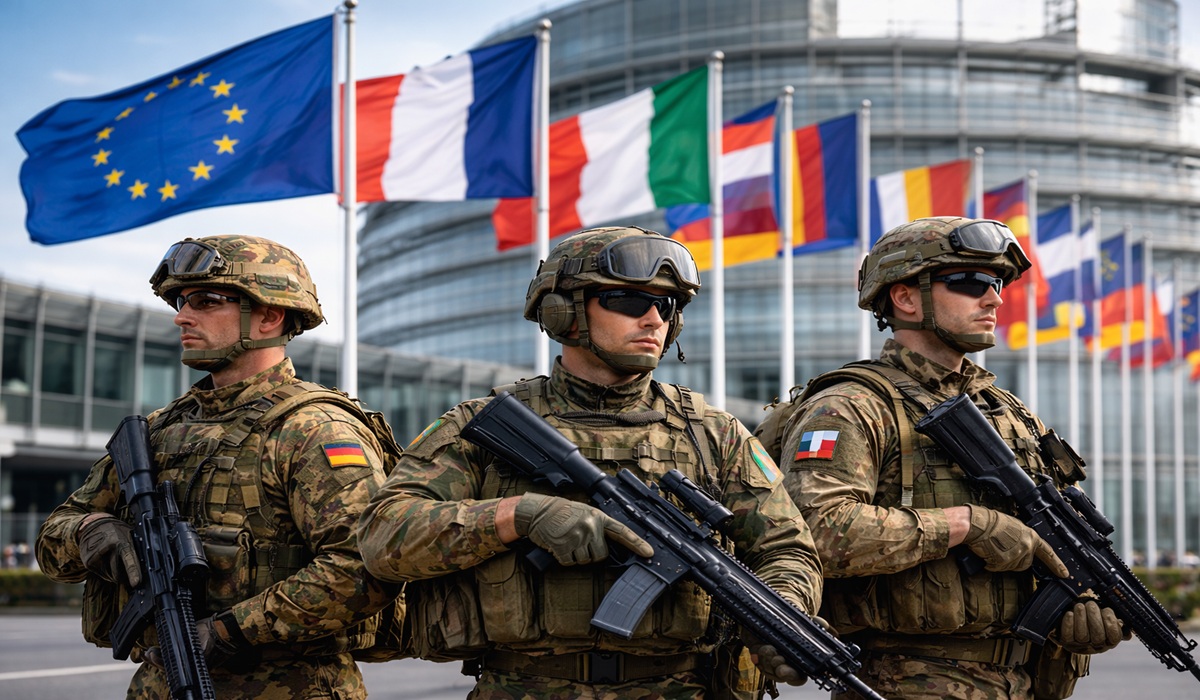
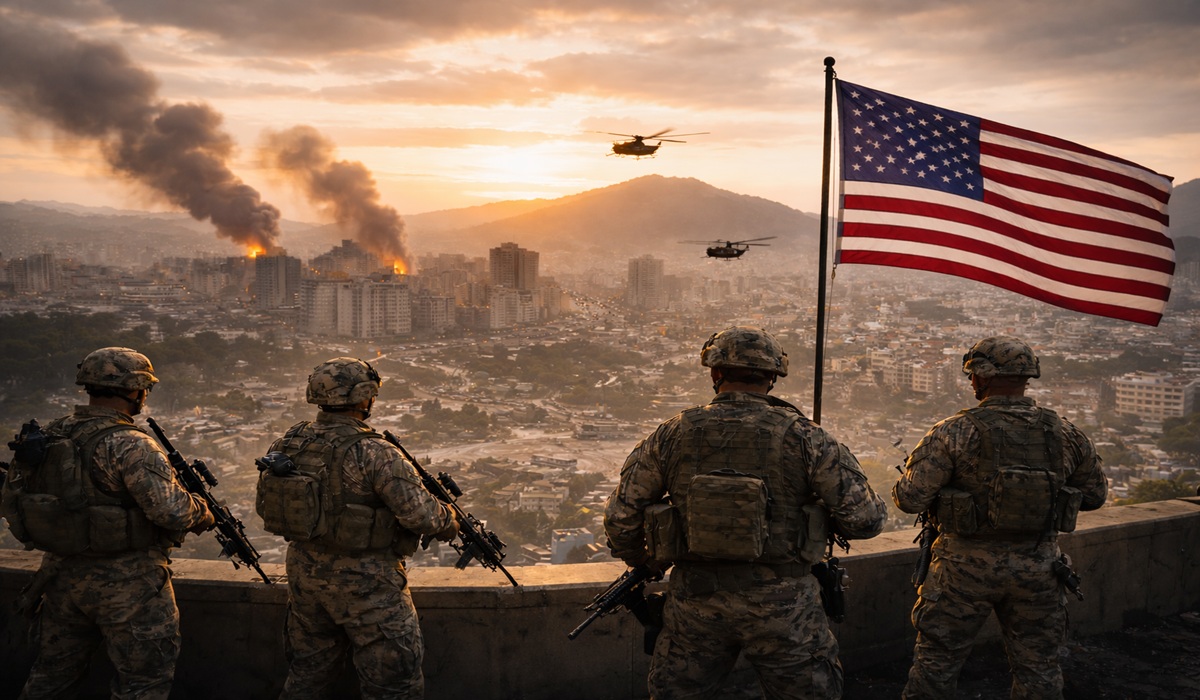
The idea would have been unthinkable a decade ago. Today, it is being discussed in policy circles with increasing seriousness: a 100,000-strong joint European military force, capable of operating independently of the United States, and potentially reducing or even replacing the roughly 100,000 U.S. troops currently stationed across Europe.
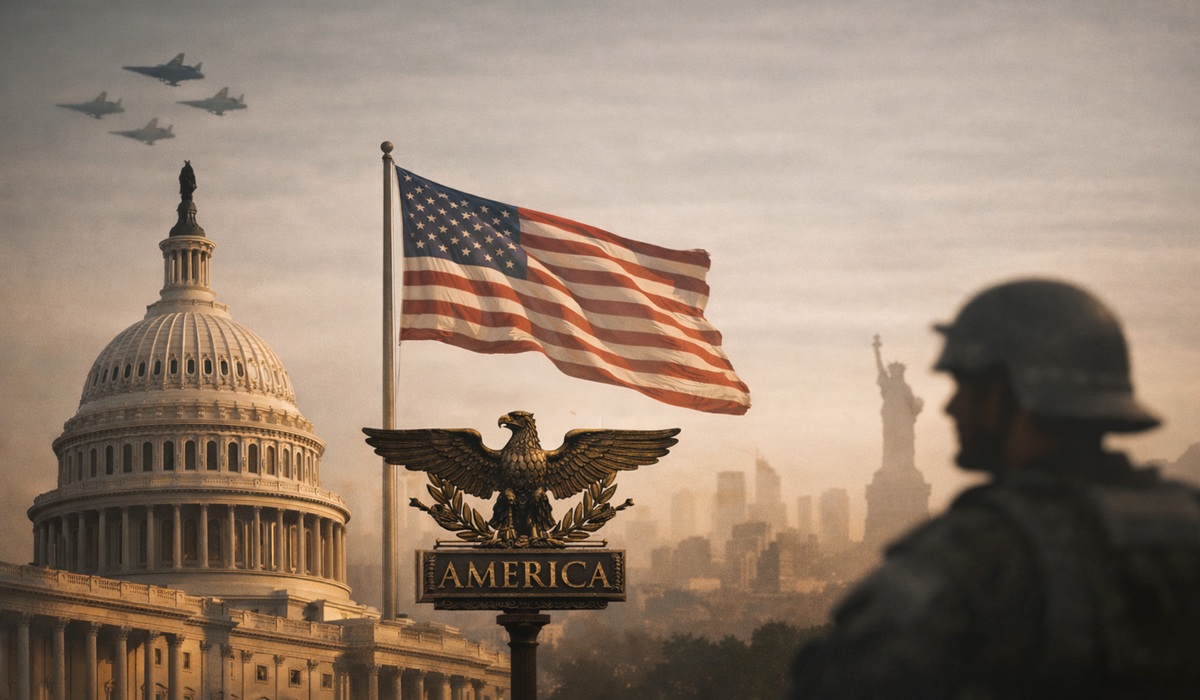
The proposal, floated by the European Union’s defence leadership, reflects a growing recognition that Europe may no longer be able to assume permanent American military protection. The shift is not sudden, but it is unmistakable. It has a name, increasingly spoken behind closed doors and now openly acknowledged — the Trump effect.
Doubts about long-term U.S. commitment to European security did not begin with Donald Trump, but they were undeniably crystallized by him. From questioning NATO’s value, to framing alliances as transactional burdens, to openly suggesting that American protection is conditional, Trump altered the psychological foundation of the transatlantic relationship. His renewed rhetoric — including provocative comments about Greenland and U.S. territorial interests — has only deepened European unease.
For European leaders, the issue is no longer whether the United States remains powerful, but whether it remains predictable. Security planning depends on reliability. Deterrence depends on credibility. And alliances depend on trust that commitments will outlast election cycles.
Europe’s quiet preparations for strategic autonomy are a response to that uncertainty. A unified force would not replace NATO overnight, nor is it intended to sever ties with Washington. Rather, it represents a hedge — an acknowledgment that Europe must be capable of defending itself if the U.S. chooses to disengage, delay, or redefine its role.
The numbers matter. A 100,000-strong European force would be symbolically significant, but more important is what it represents institutionally: shared command structures, integrated logistics, joint procurement, and political will. Europe has long had the economic capacity to shoulder more of its own defense burden. What it has lacked is urgency. That urgency now exists.
The Trump effect extends beyond military arithmetic. It has accelerated a broader European reckoning about dependence — on U.S. energy, U.S. weapons systems, U.S. intelligence frameworks, and U.S. political continuity. The war in Ukraine reinforced the stakes, but American domestic volatility clarified the risk.
This is not anti-Americanism. It is strategic adulthood. European policymakers increasingly view self-reliance as complementary to alliance, not antagonistic to it. The goal is not to exclude the U.S., but to ensure that Europe is not paralyzed if Washington looks inward.
At the same time, this shift has global implications. A more autonomous Europe reshapes NATO dynamics, alters defense markets, and forces smaller allied countries — including Canada — to reassess their own assumptions. If Europe diversifies its security architecture, others will follow suit.
Trump’s impact, whether intentional or not, has been catalytic. By challenging long-standing norms, he exposed how much of the post-war order relied on habit rather than structure. Once that habit was disrupted, contingency planning became unavoidable.
Europe’s move toward a joint force is still tentative, politically sensitive, and far from guaranteed. But the direction of travel is clear. The era of unquestioned American primacy in European security is ending — not through collapse, but through recalibration.
In that sense, Europe’s preparations mirror Canada’s trade pivot. Both reflect the same underlying reality: in a world where guarantees are conditional and power is volatile, resilience comes from capacity, not comfort. The Trump effect did not create this shift, but it made it impossible to ignore.
About The Author