Eco-Forward Printing and the Quiet Shift Toward Sustainable Business Identity
- T Flow Printing & Signage
- Western Canada
- April 6, 2026
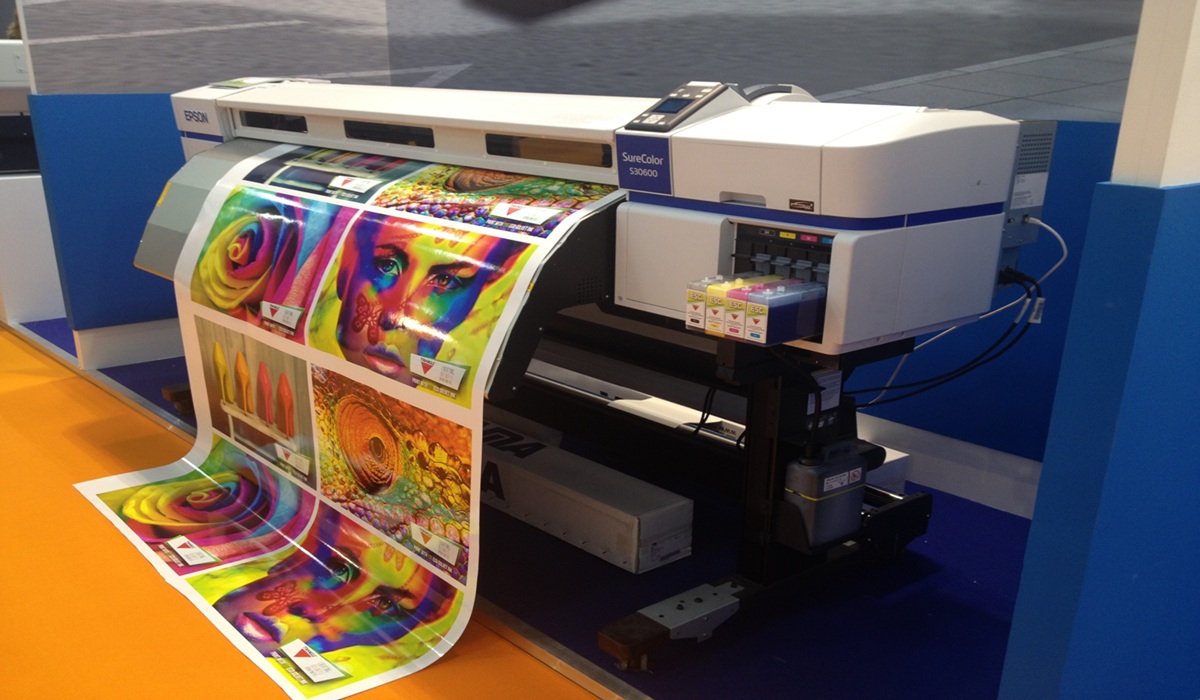
Image Credit: Juanjo Fernandez
Sustainability is no longer a marketing buzzword reserved for large corporations with dedicated environmental teams. It is becoming a defining characteristic of how businesses of all sizes present themselves to the world, and nowhere is this shift more visible than in the printing and signage industry. Eco-forward printing is emerging as a practical, accessible way for businesses to align their operations with the growing demand for environmental responsibility.
For years, printing carried a reputation for waste, chemical use, and environmental impact. That perception is changing rapidly as new technologies and materials reshape what is possible. Water-based inks, recycled substrates, and energy-efficient production methods are allowing businesses to maintain high-quality output while significantly reducing their environmental footprint. The transformation is not just technical. It is cultural. Businesses are beginning to see sustainability not as a constraint but as a competitive advantage.
Customers are paying attention in ways they did not before. A brand’s commitment to sustainability is now part of the purchasing decision, influencing how companies are perceived and whether they are trusted. Printed materials, from packaging to signage, are often the first physical interaction a customer has with a brand. When those materials reflect environmentally conscious choices, they communicate a message that goes beyond the product itself.
Eco-forward printing also aligns with broader operational goals. Reducing waste, optimizing material use, and improving energy efficiency often lead to cost savings over time. What begins as an environmental initiative can evolve into a smarter, more efficient business model. This dual benefit is driving adoption across industries, from retail and hospitality to corporate services and event management.
The innovation within the sector is accelerating. Printers are investing in equipment that minimizes emissions and maximizes precision. Designers are rethinking layouts to reduce material usage without compromising visual impact. Suppliers are developing new materials that balance durability with biodegradability. The result is a printing ecosystem that is more flexible, more efficient, and more aligned with modern expectations.
For businesses, the shift toward eco-forward printing is also about positioning. It signals that a company is forward-thinking, responsible, and aware of its role in a larger environmental context. In a market where differentiation is increasingly difficult, that signal can be powerful. It builds credibility, strengthens brand identity, and creates a connection with customers who value sustainability.
This is not a passing trend. It is part of a broader transformation in how businesses operate and communicate. As environmental concerns continue to shape consumer behavior and regulatory frameworks, the demand for sustainable solutions will only grow. Printing, once seen as a traditional and static industry, is becoming a dynamic space where innovation and responsibility intersect.
The companies that embrace this shift early are not just reducing their environmental impact. They are redefining what it means to do business in a world where sustainability is no longer optional. Eco-forward printing is not about sacrificing quality or creativity. It is about enhancing both while aligning with the values that are increasingly driving the market.
About The Author