Do Medications Really Expire, or Is the System Expired Instead?
- Ingrid Jones
- U.S.A
- December 16, 2025
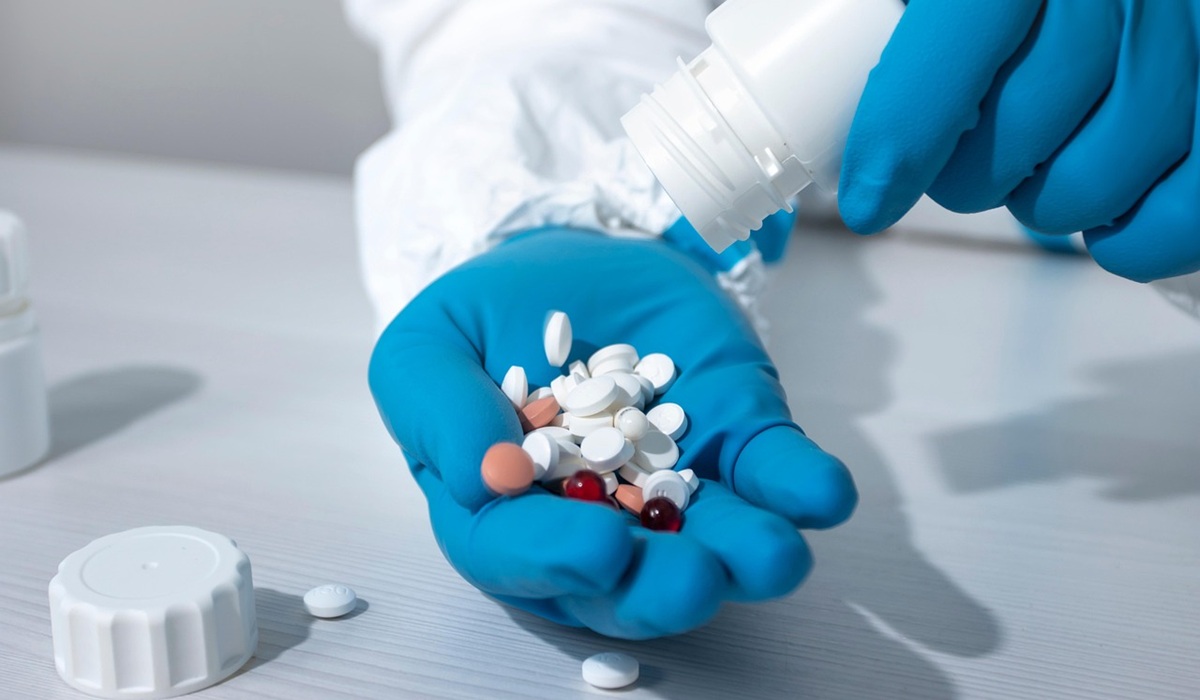
Image Credit: AVAKA Photo
Most of us grew up believing that the date stamped on a pill bottle is a biological line of no return. Midnight strikes, the calendar flips, and suddenly the medication transforms from a life-saving tool into a chemical hazard destined for the trash. Then you look at what the U.S. military discovered after running one of the longest and most comprehensive drug-stability programs in modern history, and the picture becomes far more complicated. Their findings showed that many medications, when properly stored, can remain stable and potent for years—sometimes even up to around fifteen years—past their printed expiration dates. That revelation alone forces us to rethink what those dates actually mean.
To understand the heart of the issue, you have to go back to when expiration dates first became mandatory. In the late 1970s, regulators required drug manufacturers to assign an expiration date based on stability testing. But that requirement only obligates companies to prove a medication lasts until that date—not to prove how long it remains safe and effective afterward. Manufacturers naturally tend to choose conservative dates. It reduces liability, prevents lawsuits, simplifies regulatory compliance, and, conveniently, ensures steady product turnover. The system rewards caution on paper and consumption in practice.
Meanwhile, the U.S. military faced a different kind of pressure. They had enormous stockpiles of essential medications worth billions, and replacing them every time the calendar rolled over wasn’t just wasteful—it was financially disastrous. So they conducted rigorous, long-term testing on thousands of drugs stored in ideal conditions. What they found completely upended conventional assumptions. The overwhelming majority of those medications retained their potency long after their labeled expiration dates. Some were still chemically sound a decade later. A few lasted nearly fifteen years with no meaningful loss of effectiveness. For the military, this wasn’t a quirky scientific footnote; it saved vast sums of taxpayer money and changed how national stockpiles were managed.
But before anyone races off to swallow pills from 2003, there’s a reality check. Not all drugs age well. Some degrade faster, lose potency, or become unsafe as they break down. Insulin, nitroglycerin, certain liquid antibiotics, and a few other categories genuinely shouldn’t be used past their expiration dates. And storage conditions matter. The military’s results came from medications kept under strict, climate-controlled environments—not bathroom cabinets, glove compartments, or overheated kitchen drawers. What happens to a drug in an uncontrolled household setting can vary wildly, and no pharmacist can guarantee otherwise.
Still, the larger question hangs in the air: if the science clearly shows that many medications last much longer than their labels suggest, why haven’t expiration dates been updated to reflect that reality? Is the system outdated? Inefficient? Too cautious? Or does it conveniently benefit the very industry responsible for printing those dates?
Here’s where introspection turns uncomfortable. Short expiration dates drive revenue. They ensure hospitals, pharmacies, and households continuously replace supplies. The industry has little incentive to invest in costly, lengthy studies proving longer shelf lives when shorter ones already meet regulatory requirements and preserve profit margins. Regulators, on the other hand, shoulder the legal responsibility. They are far more likely to approve a conservative date that guarantees safety than one that creates even the slightest risk of liability. The system is designed to protect institutions, not wallets.
This dynamic creates a strange dual reality. The military quietly extends medication shelf life because thorough testing proves many drugs remain effective. Meanwhile, civilians are told to discard bottles the moment the date passes because no one has officially confirmed what the military already knows. It’s a contradiction created by bureaucracy, liability fears, and economic convenience—not chemistry.
Is it time to rethink the policy? Probably. The current system leads to enormous waste and unnecessary spending. Hospitals throw away medications that are almost certainly still potent. Emergency stockpiles get replaced on schedule rather than based on actual stability. Households discard drugs that may still be effective. But revisiting expiration-date policy would require transparency, long-term public testing, regulatory reform, and willingness from an industry that profits from frequent replacements. That’s where the political tension enters. Any reform that reduces market turnover will face opposition—whether openly or quietly—from major pharmaceutical interests. They may frame their objections around safety, but the financial incentive is obvious.
The bigger question is whether there is enough political will to pursue change. Expiration-date reform sits at the crossroads of science, safety, public trust, economics, and industry influence. The military’s findings challenge decades of assumptions, yet for now, policy remains exactly where it has always been. Change would demand cooperation between regulators, health systems, researchers, and governments—all while navigating the resistance of an industry that has a tremendous amount of power and an enormous amount to lose.
And that’s the truth at the center of this debate: the chemistry of medications is often far more forgiving than the labels suggest, but the system built around selling, regulating, and replacing them is anything but. Whether society chooses to confront that gap—or continues to pretend it isn’t there—will determine how much waste, cost, and confusion we tolerate in the decades ahead.
Until then, one fact remains: medications don’t suddenly die at midnight. But policies, profits, and politics may be keeping that truth from becoming part of everyday healthcare.
About The Author