Death Toll Rises to Over 148 Elementary Children Killed in US, Israel Air Strike in Iran
- Hami Aziz
- Breaking News
- Middle East
- March 1, 2026
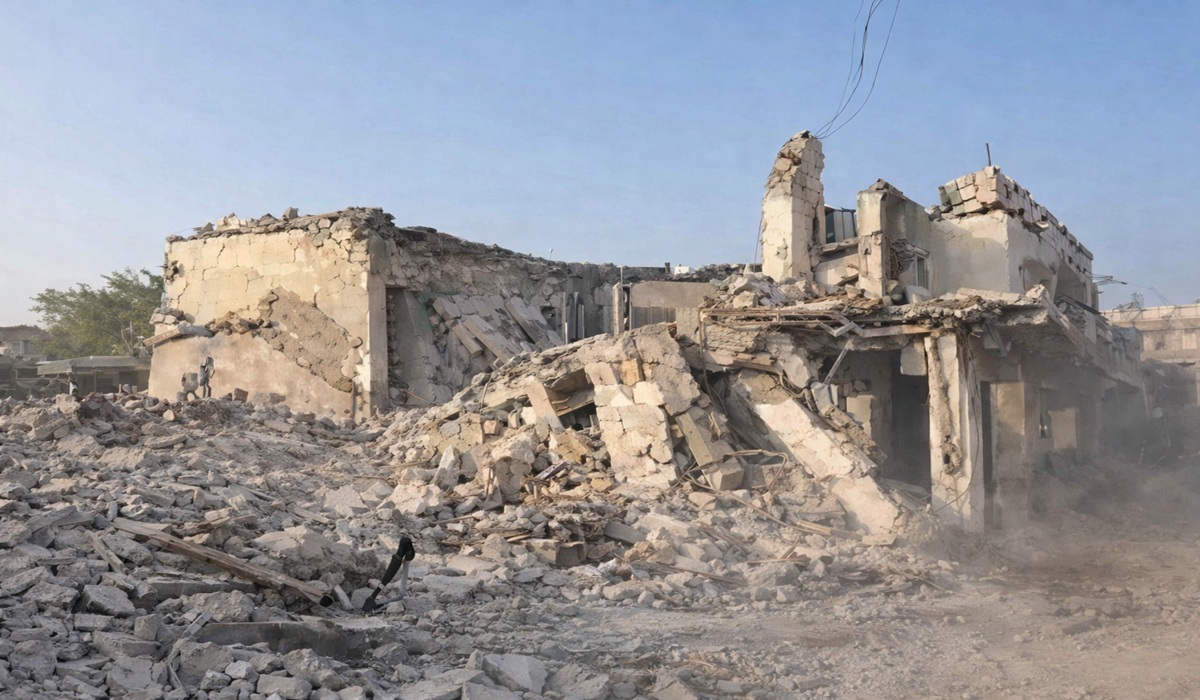
An elementary school became the latest casualty in an expanding air campaign, struck during what officials described as an operation targeting nearby militant infrastructure. The blast tore through classrooms, scattering desks and backpacks across floors coated in dust and shattered glass.
Schools occupy a sacred space in any society. They symbolize continuity, hope, and the promise of stability amid uncertainty. When a school is hit, the psychological damage often extends beyond the physical destruction. Parents question safety. Children internalize fear. Communities lose a sense of normalcy that education provides.
Military officials often argue that militants embed themselves within civilian areas, complicating target selection. Critics counter that international humanitarian law demands extreme caution when civilian structures—especially schools—are involved. The laws of armed conflict require distinction and proportionality, principles that are intensely debated in situations like this.
The immediate aftermath was marked by frantic rescue efforts. Emergency responders sifted through debris, searching for survivors. Hospitals prepared for an influx of injured children. Even when casualties are limited, the imagery alone reshapes global perception.
Strikes involving schools often galvanize international condemnation and diplomatic pressure. They become rallying cries in international forums and social movements. They also harden divisions, as each side defends its narrative of necessity or victimhood.
Beyond geopolitics lies a simpler truth: classrooms are meant for lessons, not air raid sirens. When war reaches the desks of children, it signals a profound failure of restraint somewhere along the chain of command.
Teachers who survived the strike described returning to the site not to teach, but to salvage what they could—attendance books, student artwork, fragments of a normal life. In conflict zones, education is often one of the last threads holding a generation together. When that thread is torn, recovery becomes far more complex than rebuilding walls.
About The Author