Competition Restored: What Reduced EV Tariffs Mean for Consumers and the Market
- Kingston Bailey
- Canada
- January 17, 2026
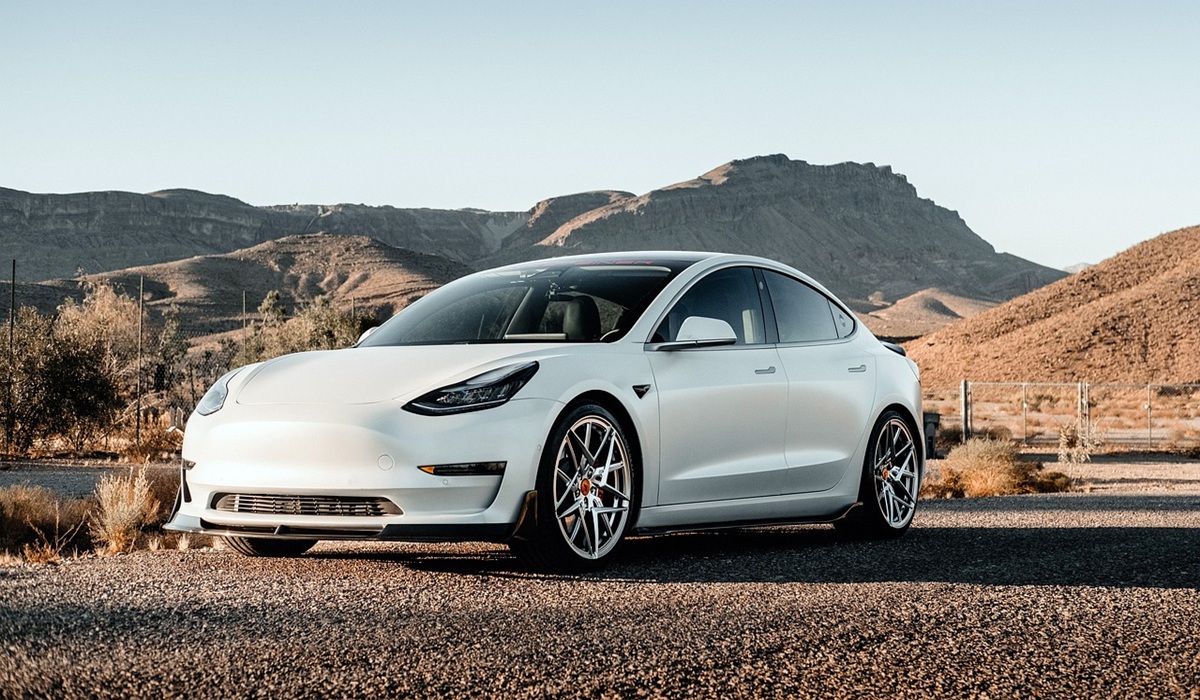
The reduction of tariffs on Chinese electric vehicles represents a structural shift in how competition is allowed to function. For years, policy artificially narrowed consumer choice under the guise of industrial protection, inflating prices while slowing adoption. Lowering these barriers changes the equation immediately and irreversibly.
Chinese electric vehicles are not speculative products. They are already operating at scale across Europe, Asia, and emerging markets. They are technologically mature, competitively priced, and increasingly recognized for quality, safety, and innovation. Restricting access did not protect consumers or accelerate domestic capacity; it protected margins for a narrow segment of the market.
Allowing nearly 50,000 Chinese EVs annually under a tariff regime aligned with standard imports introduces real competition where it has been sorely lacking. Prices will come down. Feature sets will expand. Manufacturers will be forced to innovate rather than rely on protection. That is how markets are supposed to work.
This shift matters because cost remains the single greatest barrier to EV adoption. Incentives help at the margins, but affordability drives scale. Access to competitively priced vehicles accelerates the transition far more effectively than mandates or rhetoric. It aligns environmental objectives with consumer interest rather than pitting them against each other.
The impact on Tesla and other incumbents is not incidental. It is the inevitable outcome of competition. For too long, dominance has been sustained through policy insulation rather than constant improvement. Introducing world-class alternatives resets expectations. It benefits buyers and pressures manufacturers to earn their position rather than defend it politically.
There is also a strategic dimension. Tying clean transportation goals to a single supplier base creates vulnerability. Diversifying sources enhances resilience and accelerates infrastructure development. It also aligns with global supply realities rather than attempting to wall off markets in an era where supply chains are inherently international.
Critics argue this undermines domestic manufacturing. The opposite is more likely. Competition forces clarity. It reveals where value is created and where inefficiencies persist. Long-term industrial strength is built through exposure, not isolation. Shielding markets delays adaptation and increases the eventual cost.
For consumers, the outcome is straightforward. More choice, lower prices, better technology. For the market, it is a return to fundamentals. Reduced tariffs do not pick winners; they remove artificial barriers. The result is a faster, fairer transition to electrification that works for people rather than against them.
About The Author