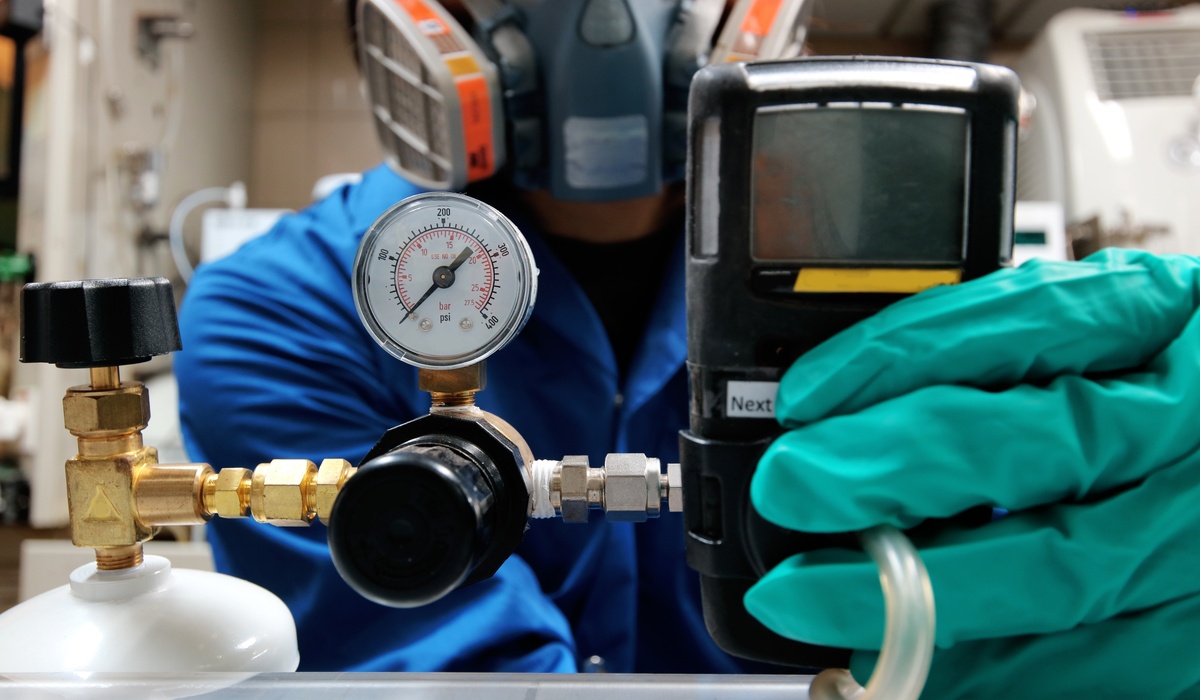
Calibration gas looks simple on the surface. You connect a regulator, apply gas, log the results, and move on. In practice, the canister size you choose can shape your workflow, your budget, and even how often your team actually calibrates. Pick a canister that runs out too fast, and you lose time to reorders and last-minute scrambles. Pick one that sits too long, and you risk waste, clutter, or gas that no longer fits your needs. Here’s tips to help you choose the best calibration gas canister size.
Start With the Numbers You Already Know
Before you look at sizes, get a quick handle on consumption. Count how many instruments you calibrate or bump test per week and how many gas applications each device needs. Some monitors require multiple gas exposures, especially for multi-gas units. Then factor in how long each test typically flows gas and at what rate. Your regulator and test method
Match Canister Size to Your Testing Rhythm
Facilities that calibrate on a fixed schedule often benefit from a size that covers one predictable interval. If your team calibrates weekly, a canister that lasts roughly a month gives you a buffer without inviting long storage times. If you calibrate daily across many instruments, larger canisters reduce downtime and purchasing work.
If your testing happens in bursts, think differently. Some sites run heavy calibration during turnarounds, audits, or seasonal operations. In those cases, you may want a larger canister for the busy period and smaller canisters for maintenance checks between peaks. That approach keeps your supply aligned with actual demand instead of tying up cash and storage space.
Think About Shelf Life, Not Just Volume
Bigger does not always mean better. Some calibration gas mixtures remain stable for a set period, and that period can vary by mixture and packaging. If you buy a large canister but your usage stays light, you may end up discarding gas you paid for. The “best” canister size often lands in the sweet spot where you finish the canister before it becomes inconvenient or obsolete for your needs.
You also need to plan for changing requirements. If you expect new instrument models, updated sensor types, or a shift from single-gas to multi-gas detectors, a smaller canister can keep you flexible while you transition.
Portability Changes the Whole Equation
A calibration program rarely stays in one place. Technicians carry equipment through a plant, out to a yard, or across multiple buildings. Smaller canisters travel easily and reduce fatigue, especially during long routes. They also fit better in service carts and field kits.
Larger canisters make sense when calibration happens at a fixed station or in a maintenance shop. In that setting, weight matters less and uninterrupted throughput matters more. If your team splits time between shop and field, you can standardize on one gas blend but stock two sizes: one for the bench and one for the route.
Don’t Let Compatibility Trip You Up
Canister size often ties to connection type, regulator fit, and the accessories your team already owns. Standardize where you can. When you use disposable calibration gas canisters, confirm that your regulators match the cylinder threads and that your flow rate stays consistent across the sizes you plan to stock. A mismatch can waste gas, distort readings, or slow work while someone hunts for the right adapter.
Also consider the instrument brand requirements. Some manufacturers specify a regulator type, a flow rate range, or a preferred setup for certain sensors. Align your canister choice with the equipment you actually deploy, not with a generic purchasing list.
Balance Waste, Cost, and Storage
Smaller canisters usually cost more per unit of gas, but they can reduce waste if you use them consistently. Larger canisters often have a lower cost per volume, but they can create waste if they expire, leak, or sit unused after a project ends.
Storage also matters. You need a clean, labeled, organized area with good inventory habits. When canisters pile up, people grab the wrong mix, miss reorder points, or discover empty cylinders at the worst time. A size that fits your storage capacity and reorder cadence can simplify the entire program.
Build a Simple Reorder System That Prevents Surprises
Once you pick a size, build a reorder trigger based on usage. Track how long one canister lasts under normal conditions. Then set a minimum stock level that covers your lead time plus a buffer for unexpected needs. When you tie canister size to a practical reorder plan, your team stops treating calibration gas like an emergency supply.
The Right Size Keeps Calibration Easy
Calibration succeeds when it feels routine. Choose a calibration gas canister size that matches your testing rhythm, fits your technicians’ routes, and aligns with shelf life and compatibility. When your supply supports the way your facility actually works, your team calibrates on schedule, spends less time managing inventory, and trusts the results that protect people and processes.
About The Author