Catatumbo on the Brink: One Year of War, Fear, and Mass Displacement in Colombia’s Forgotten Border Region
- Ingrid Jones
- Breaking News
- January 15, 2026
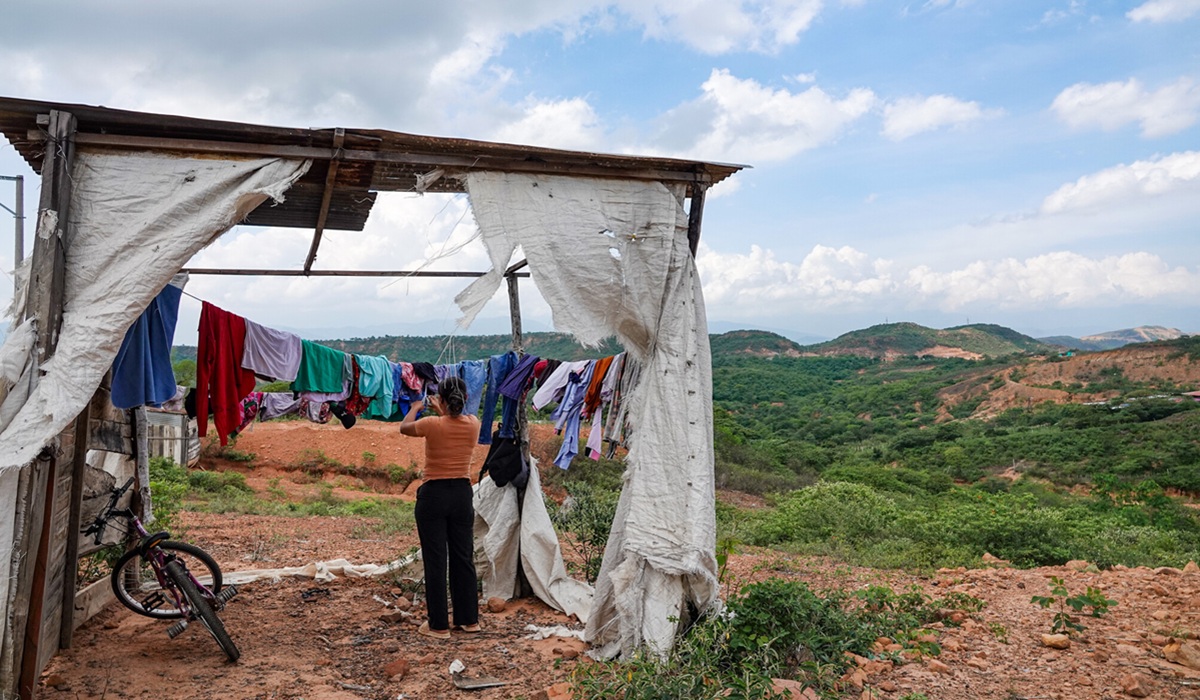
Image source NRC
One year after violence erupted with renewed intensity in Catatumbo, a remote region in north-eastern Colombia along the Venezuelan border, the situation for civilians has only grown more desperate. What began as an escalation of long-simmering territorial disputes has hardened into a brutal, sustained conflict that has uprooted communities, shattered families, and pushed an already fragile region into a full-scale humanitarian emergency.
Since mid-January 2025, armed groups battling for control have turned towns, farms, and rural roads into contested ground. Civilians have been caught in the middle, facing forced recruitment, landmines and improvised explosive devices, targeted killings, and constant death threats. Entire neighbourhoods have emptied almost overnight as families flee with little more than what they can carry. Over the past twelve months, an estimated 100,000 people have been displaced, a staggering figure in a region whose total population numbers only a few hundred thousand.
For many residents, displacement is not a single moment but an ongoing state of fear. People who have fled once are often forced to move again, pushed from shelter to shelter as violence shifts locations. Others remain trapped in their communities, unable to leave due to armed checkpoints, threats, or the lack of safe routes. The sense of abandonment is profound. As one humanitarian leader in Colombia put it, people in Catatumbo are losing hope, watching the conflict grind on while assistance remains dangerously limited.
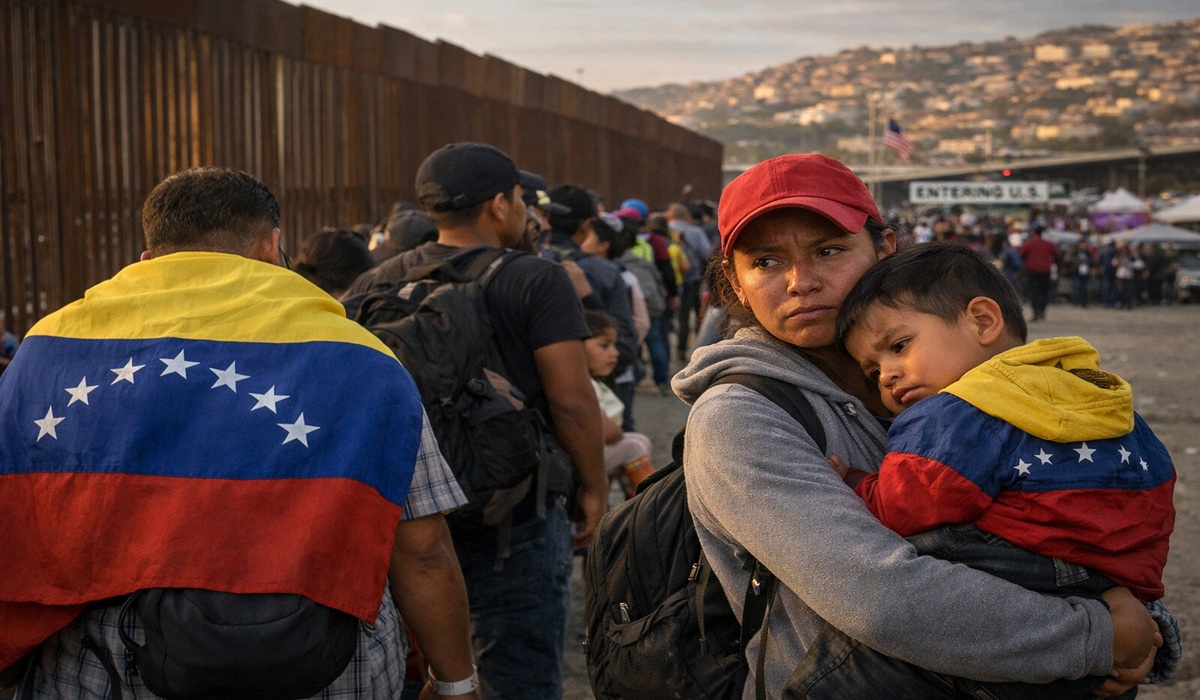
The crisis has not spared anyone. Colombian families who have lived in the region for generations are suffering alongside Venezuelan refugees and migrants who had already fled instability across the border, only to find themselves once again in the path of violence. Parents are left to make impossible choices, trying to protect their children from trauma while struggling to meet even their most basic needs.
One displaced mother described how she lies to her children when explosions shake the ground, telling them the sounds are nothing more than balloons popping. It is a small act of protection, born of love and fear, but it captures the daily reality of Catatumbo’s civilians: survival often depends as much on emotional resilience as on physical safety.
Armed groups have imposed arbitrary and cruel controls on daily life. In some areas, families report being ordered not to wear dark clothing so they are not mistaken for combatants during clashes. These rules offer no real protection. Instead, they expose civilians even more clearly as targets, stripping away any illusion of safety and reinforcing the absolute power of armed actors over ordinary people’s lives.
Beyond the immediate violence, the humanitarian consequences are cascading. Hunger is spreading as conflict disrupts farming and food supply chains. Armed groups restrict what farmers can grow, in some cases forcing them to cultivate illicit crops instead of food for their own communities. Access to clean water has become increasingly precarious after damage to civilian infrastructure, leaving families vulnerable to disease. Education has been brutally interrupted. Hundreds of children are no longer in school, either because classrooms have been attacked, teachers have fled, or the trauma of displacement makes learning impossible.
The long-term costs of this crisis are immense. Children denied education today face a future with fewer opportunities, increasing the risk that violence and poverty will repeat themselves across generations. Communities stripped of livelihoods are more easily pulled into illicit economies, further entrenching armed control and instability along the border.
Despite the scale of suffering, the response has fallen far short of what is needed. Across Colombia, conflict-related humanitarian needs surged dramatically in 2025, yet only a fraction of required funding materialized. This shortfall is not an abstract budget issue; it directly translates into lives lost and futures derailed. When aid arrives late or not at all, families are pushed back into dangerous areas, children are exposed to recruitment, and adults are coerced into survival strategies that deepen the cycle of violence.
Humanitarian organizations working in Catatumbo continue to provide what support they can, from emergency food and water to shelter, protection services, and temporary education initiatives. They also assist authorities in registering displaced people so they can access whatever state support exists. But these efforts are stretched thin, unable to keep pace with the relentless needs generated by ongoing fighting.
Catatumbo today resembles a patient in intensive care, kept alive but dangerously unstable. Every delay in action raises the cost of recovery tomorrow, not only in financial terms but in human suffering. Investing now in protection, shelter, education, and livelihoods is not simply humanitarian generosity; it is a necessary step to prevent even greater displacement, deeper instability, and a wider regional fallout in the years to come.
After a year of conflict with no end in sight, the message from Catatumbo is stark. Civilians cannot wait. Without a serious commitment to protect lives, uphold humanitarian principles, and address the root causes of violence, this border region risks becoming another long-term symbol of neglected war, where entire generations grow up knowing nothing but fear, loss, and displacement.
About The Author