By: Donovan Martin Sr, Editor in Chief
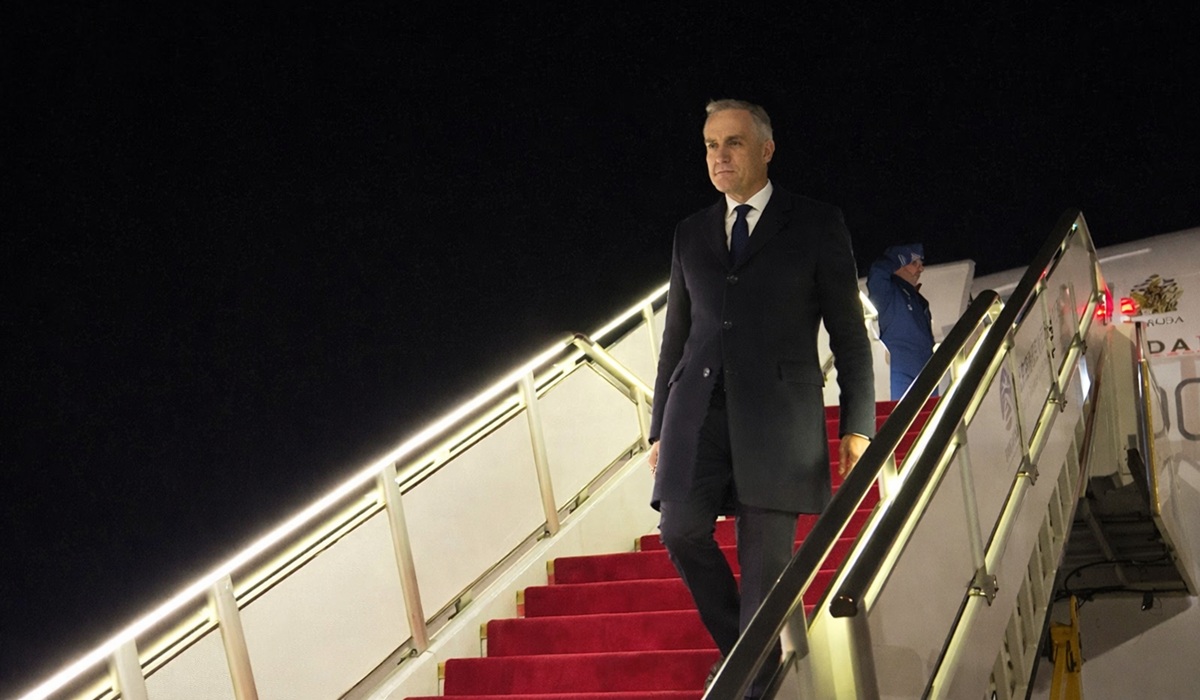
Canadian Prime Minister Mark Carney has arrived in Beijing for an official visit that signals a clear reset in Canada–China relations and a renewed focus on economic pragmatism. The four-day trip, which runs from Wednesday through Saturday, marks the first visit by a sitting Canadian prime minister to China in eight years and comes at a moment when both countries are reassessing their global economic positions.
The visit follows an invitation from Chinese Premier Li Qiang and is being closely watched on both sides of the Pacific. During his stay, Carney is scheduled to meet with Chinese President Xi Jinping, Premier Li, and Zhao Leji, China’s top legislator. Chinese officials have framed the meetings as an opportunity to provide fresh strategic direction for the next phase of bilateral engagement, reflecting a shared interest in stabilising and expanding cooperation after several years of strain.
This trip did not emerge in isolation. Relations between Ottawa and Beijing began to thaw last year, highlighted by a meeting between President Xi and then-Prime Minister-designate Carney on the sidelines of the Asia-Pacific Economic Cooperation leaders’ gathering in Gyeongju, South Korea. That encounter laid the groundwork for renewed dialogue and the gradual resumption of exchanges across economic, diplomatic, and commercial channels.
Carney assumed office in March 2025, succeeding Justin Trudeau, whose last visit to China took place in December 2017. Since then, global trade patterns have shifted dramatically, supply chains have been disrupted, and geopolitical tensions—particularly involving the United States—have reshaped how middle powers like Canada think about economic security and diversification.
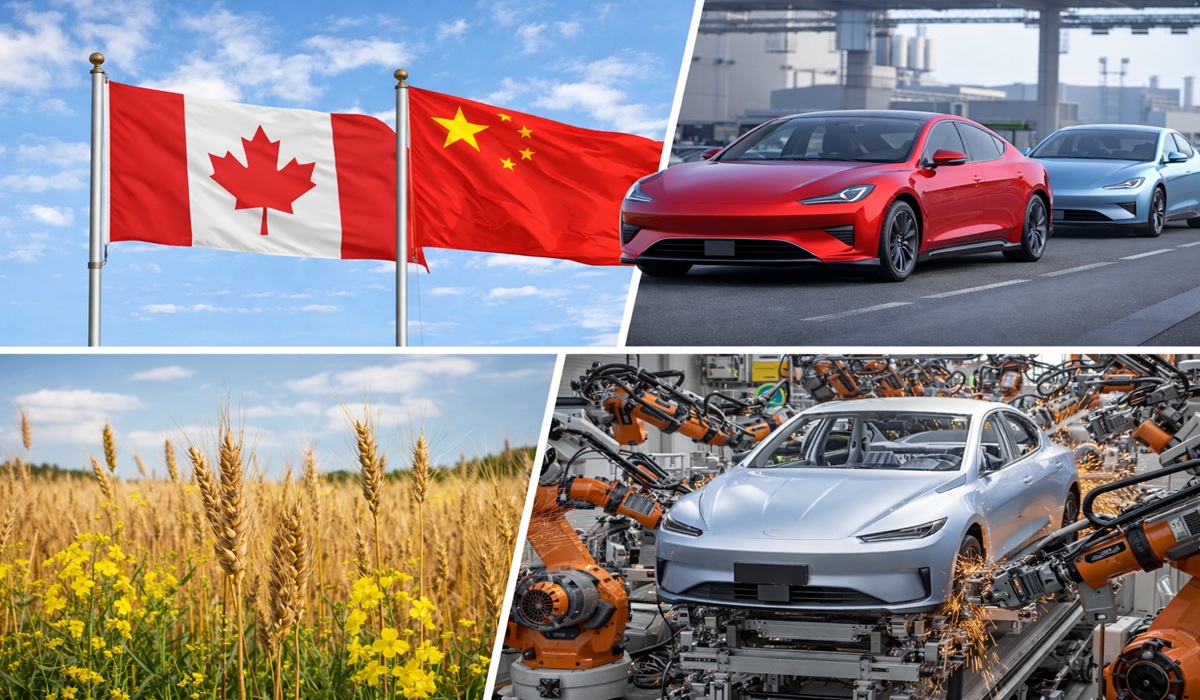
Those realities are reflected in the economic backdrop to this visit. In 2024, China stood as Canada’s second-largest trading partner, second-largest source of imports, and second-largest export destination, surpassed only by the United States in each category. Canadian businesses have also shown growing interest in the Chinese market, with a record 125 Canadian companies participating in the most recent China International Import Expo in Shanghai. That level of engagement underscores the practical importance of maintaining stable commercial ties, even amid political complexity.
Ahead of the trip, the Prime Minister’s Office emphasised that Carney’s government is focused on shifting Canada’s economy from “reliance to resilience.” The message is clear: Canada intends to reduce overdependence on any single market, expand non-U.S. exports, and attract significant new investment by engaging more broadly with major global economies. China, by scale alone, is central to that strategy.
For Beijing, the visit is equally significant. Chinese officials have pointed to steady improvements in bilateral relations since last year and have expressed confidence that constructive engagement can deliver tangible outcomes. The meetings are expected to touch on trade, investment, climate cooperation, and the resumption of people-to-people exchanges, including education and business travel.
While no single visit can resolve all outstanding issues, Carney’s presence in Beijing sends a deliberate signal: Canada is re-engaging, recalibrating, and seeking a more balanced place in a multipolar economic world. In an era marked by rising tariffs, supply chain uncertainty, and geopolitical pressure, this visit represents a pragmatic step toward restoring dialogue and rebuilding economic momentum between two major trading partners.
About The Author