By: Donovan Martin Sr, Editor in Chief
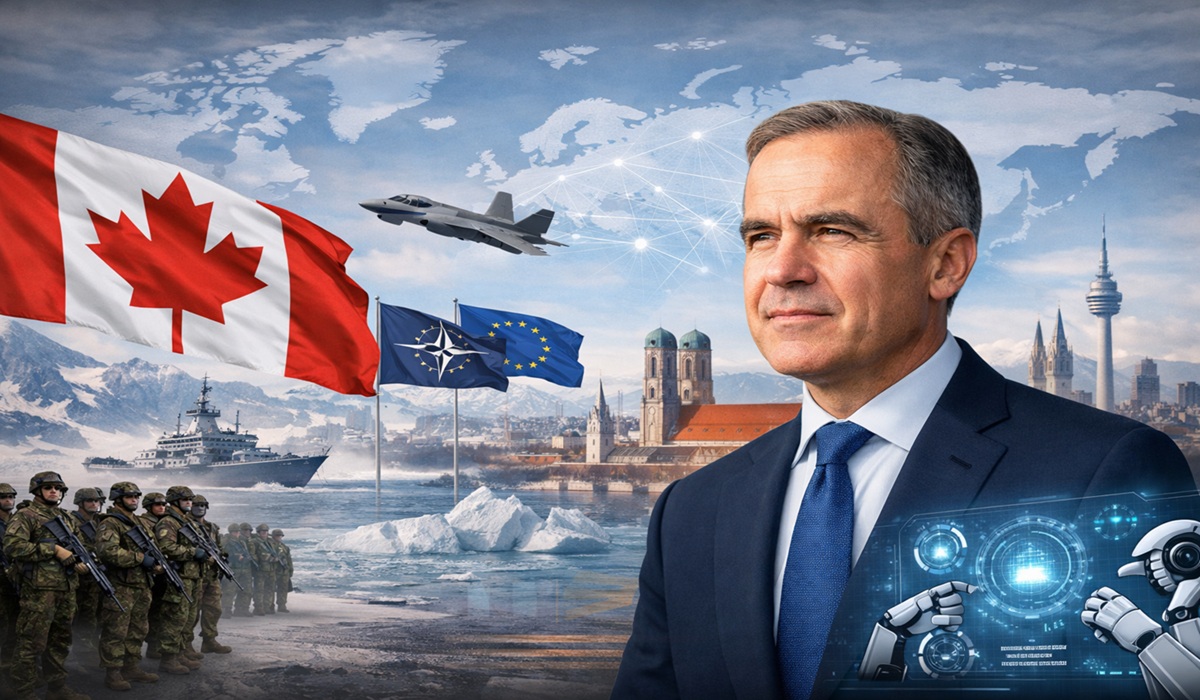
Prime Minister Mark Carney will travel to Munich, Germany, from February 11 to 15, 2026, to participate in the 62nd Munich Security Conference, one of the world’s most influential gatherings on global defence and foreign policy. The visit comes at a moment when alliances are being reassessed, supply chains restructured, and governments are redefining how national security is measured in an increasingly complex era.
According to the Prime Minister’s Office, the trip is intended to strengthen defence cooperation, reinforce transatlantic partnerships, and advance discussions on energy security, artificial intelligence, and critical supply chains. The conference is expected to host more than 60 heads of state and government, alongside defence ministers, military leaders, and private sector figures, making it a central forum for shaping international policy in a shifting geopolitical climate.
Carney is scheduled to meet with global counterparts to discuss collective readiness, continued support for Ukraine, and cooperation on emerging defence technologies. He will also highlight efforts to expand domestic military capacity, particularly in strengthening Arctic sovereignty and contributing to NATO’s northern and western defence posture. These priorities reflect broader commitments made by NATO allies, including a pledge to invest 5 percent of GDP in defence and related expenditures by 2035. Under that framework, this country plans to allocate 3.5 percent toward core military capabilities and 1.5 percent toward critical security infrastructure and innovation.
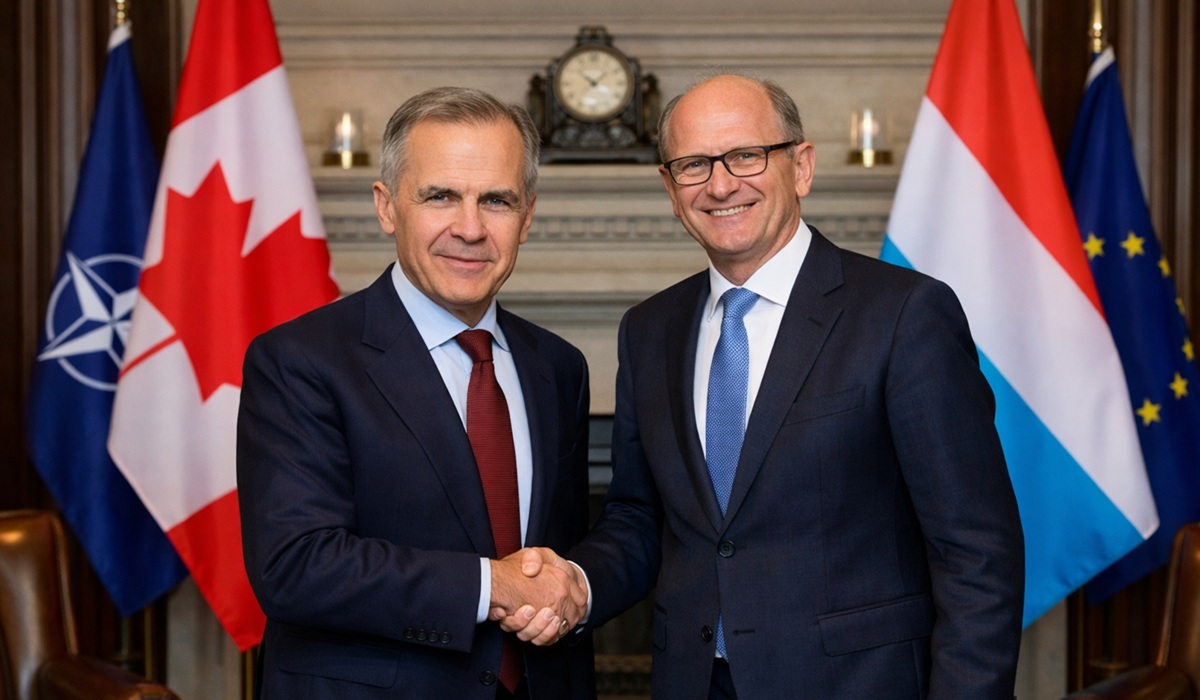
Beyond military readiness, the visit also carries an economic dimension. Meetings with business leaders in Munich are intended to position the nation as a strong destination for investment in critical minerals, energy production, and advanced technologies. Ottawa has been deepening ties with European partners, including participation in the European Union’s SAFE Instrument, a key component of the EU’s Readiness 2030 plan designed to enhance joint defence capabilities. In June 2025, a Security and Defence Partnership was signed with the European Union, bringing existing cooperation under a single political framework and reinforcing coordination without creating binding legal obligations.
In December 2025, negotiations concluded on the Canada–EU SAFE Agreement, which is expected to strengthen interoperability and readiness across the Atlantic. Meanwhile, 2026 marks 75 years of diplomatic relations with Germany, a milestone that reflects decades of cooperation across political, economic, and military sectors.
As the country continues to expand its network of alliances and trade relationships, the broader conversation around security becomes more layered. The modern concept of defence is no longer confined to military strength alone. It now includes economic resilience, technological leadership, supply chain stability, and diplomatic reach. The current strategy reflects this shift, placing equal emphasis on partnerships, innovation, and domestic capability.
Still, the expansion of defence ties and international agreements naturally invites reflection. This nation maintains trade and cooperation arrangements with a vast number of countries across multiple continents. These relationships have historically been framed as instruments of stability, prosperity, and mutual benefit. However, in a world where alliances can shift and interests can diverge, the question of how security is defined becomes more complex.
If a country builds partnerships broadly and engages globally, does that increase safety through cooperation, or introduce new vulnerabilities through interdependence? It is not a question with a simple answer. Supporters argue that shared economic and defence frameworks reduce conflict by aligning interests and creating accountability. Critics counter that overlapping commitments can create exposure, especially when geopolitical tensions change quickly.
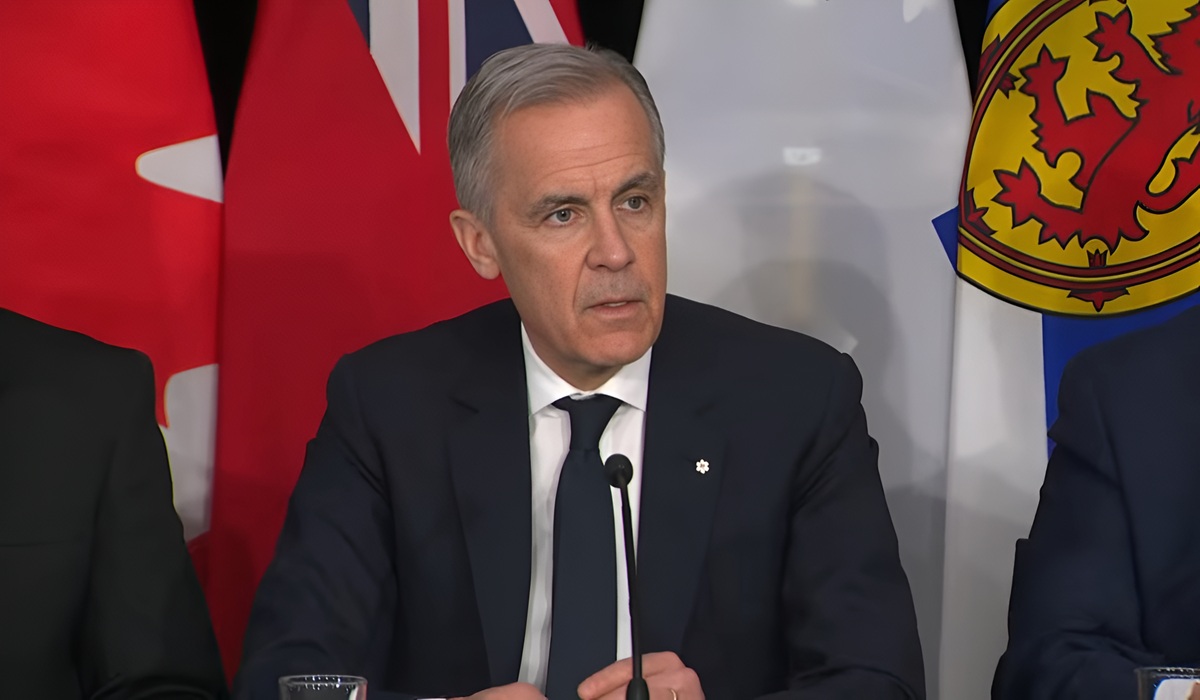
Carney’s message heading into Munich reflects a pragmatic approach to that balance. “Nostalgia is not a strategy. We must see the world as it is, not wait for a world we wish to be. To that end, Canada is focused on building our defence capabilities – to strengthen our security, create greater prosperity, and reinforce our sovereignty. We will lead with principle and pragmatism, openly and confidently, to build our strength at home and to lead together with our Allies,” he said in a statement.
His words point to a central reality shaping defence policy today. Security is no longer defined by isolation, but by engagement. Nations are expected to collaborate on intelligence, technology, trade, and crisis response while also protecting sovereignty and maintaining independent capabilities.
For Ottawa, that means navigating a path that is both open and cautious. The national approach has long been rooted in diplomacy, multilateralism, and alliance-building. From NATO commitments to partnerships with European and Indo-Pacific nations, the strategy has emphasized cooperation as a stabilizing force.
Yet the more connected a country becomes, the more it must constantly reassess where risks truly lie. In an interconnected world, threats are not always defined by geography or ideology. They can emerge from economic dependency, cyber vulnerabilities, or strategic competition in critical industries. That reality makes forums like the Munich Security Conference increasingly important, as governments seek alignment while also protecting their national interests.
Carney’s visit represents both continuity and adjustment. It signals that Canada intends to remain an active participant in shaping global security policy while also reinforcing its domestic defence posture. It highlights a commitment to alliances, even as the government invests in sovereign capabilities at home.
Ultimately, the conversation about security is evolving. In an era defined by partnerships that stretch across continents and industries, the question is no longer simply who stands as a threat. It is how nations manage relationships, responsibilities, and resilience in a world where cooperation and competition often exist side by side.
About The Author