Carney and Takaichi Meeting Signals Strategic Shift as Canada and Japan Reassess Trade and Security
- Ingrid Jones
- Canada
- March 6, 2026

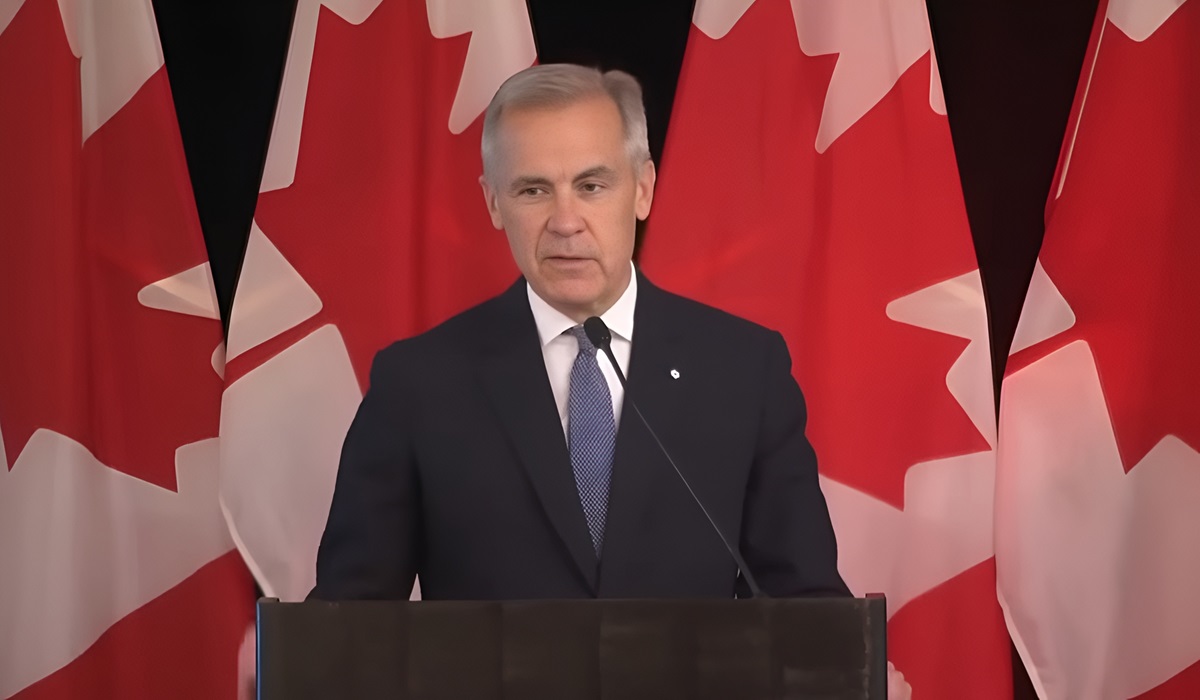
Prime Minister Mark Carney’s meeting with Japanese Prime Minister Takaichi Sanae in Tokyo on March 6 comes at a moment when both countries are reassessing economic and geopolitical priorities in an increasingly volatile global environment. The bilateral discussion was framed publicly around strengthening long-standing ties, but the meeting carries deeper significance as both governments look to stabilize trade relationships and expand partnerships beyond traditional alliances.
For Ottawa, the importance of the meeting lies largely in economic diversification and strategic partnerships. Trade between the two nations already approaches $40 billion annually, but the conversation between the two leaders focused on expanding cooperation across several sectors critical to long-term economic security. These include critical minerals, energy exports, artificial intelligence, aerospace, and emerging dual-use technologies that serve both civilian and military purposes. In an era where global supply chains are under pressure and geopolitical tensions are disrupting traditional trade routes, building stronger economic links with Asian partners is increasingly viewed as essential.
Japan, meanwhile, enters these talks facing more immediate economic and political pressures. Tokyo’s alignment with Washington’s hardline approach toward Beijing has had measurable economic consequences. As tensions between the United States and China intensified in recent years, Japan followed Washington’s strategic posture, particularly in areas involving trade restrictions, technology supply chains, and security alignment in the Pacific. That alignment has strained Japan’s economic relationship with China, historically one of its largest trading partners.
The impact on Japan’s economy has been significant. Export sectors tied to regional manufacturing networks have faced disruption, and investor confidence has weakened amid uncertainty in East Asian markets. These pressures have contributed to broader concerns about economic slowdown and financial instability within the country. The issue is compounded by Japan’s substantial holdings of United States Treasury debt, which ties the country closely to the stability of the American financial system. With global markets becoming increasingly unpredictable, diversification of economic partnerships has become a priority for Tokyo.
Prime Minister Takaichi’s government also faces domestic political challenges. While she secured a decisive election victory, her leadership has remained politically fragile. Internal party divisions and economic concerns have created ongoing speculation about her long-term political stability. Analysts in Japan have increasingly questioned whether her administration will be able to maintain authority throughout a full term, particularly if economic conditions continue to deteriorate.
Against that backdrop, the meeting with Carney takes on additional importance. Strengthening ties with Ottawa offers Tokyo an opportunity to deepen economic cooperation with a stable democratic partner while also reducing reliance on existing supply chains that have become politically sensitive. Areas such as liquefied natural gas, hydrogen energy development, nuclear technology, and carbon capture were central topics of discussion between the two leaders, reflecting a shared interest in long-term energy security.
Defence cooperation also featured prominently in the talks. Both governments expressed interest in expanding military coordination, including defence procurement and joint development of emerging technologies such as autonomous systems and space-based communications. These initiatives reflect growing security concerns in the Indo-Pacific region, where maritime disputes, military modernization, and technological competition are reshaping strategic alliances.
Three new Memorandums of Cooperation discussed during the meeting reflect these priorities. One focuses on crisis response coordination, including plans to assist and evacuate citizens during international emergencies. Another centers on joint patrol coordination to combat illegal fishing in the North Pacific, an issue affecting regional marine ecosystems and coastal economies. A third agreement aims to strengthen operational cooperation between the Canadian Coast Guard and the Japan Coast Guard through information sharing, joint exercises, and coordinated patrol activities.
Energy cooperation represents another significant element of the partnership. Japan remains heavily dependent on imported energy, and Canadian resources offer a reliable supply source. Discussions between the two leaders highlighted potential collaboration in liquefied natural gas, liquefied petroleum gas, hydrogen production, nuclear technology, and carbon capture initiatives. These sectors are increasingly viewed as strategic industries that will shape economic competitiveness over the coming decades.
Beyond economics and security, both leaders emphasized broader cultural and people-to-people ties. Educational exchanges, tourism, and business partnerships have long played a role in strengthening relations between the two countries. These connections continue to serve as a foundation for cooperation even as the geopolitical environment grows more complex.
Prime Minister Carney concluded the meeting by inviting Prime Minister Takaichi to visit Canada in the near future, signaling the expectation that the dialogue between the two governments will continue. For both nations, the Tokyo meeting reflects a recognition that the global order is shifting rapidly. As traditional alliances face new pressures and economic uncertainty spreads across key markets, partnerships built on shared democratic values and mutual economic interests are becoming increasingly central to long-term stability.
While the public messaging surrounding the meeting focused on cooperation and shared opportunity, the underlying reality is clear. Both governments are navigating a changing geopolitical landscape that demands new alliances, expanded trade networks, and greater strategic independence. The discussions in Tokyo mark another step in that adjustment.
About The Author