Canada’s Salmon Restoration Flagship: A UN Honour Built on Decades of Decline
- Ingrid Jones
- Canada
- December 4, 2025
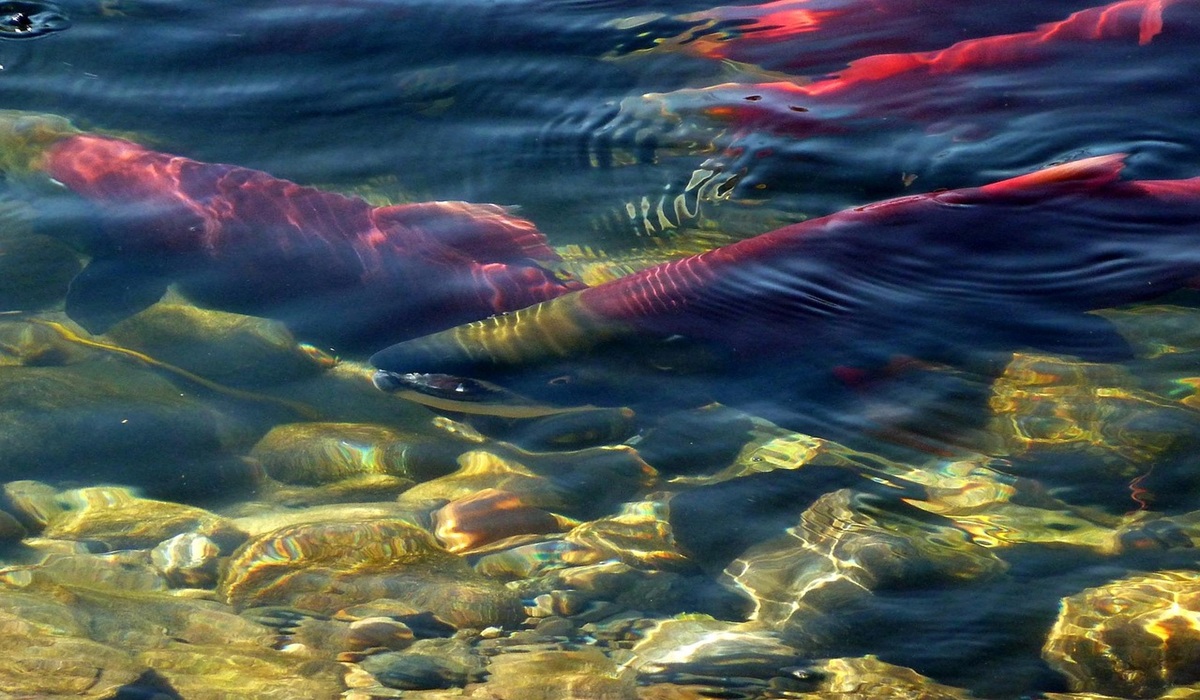
Image Credit, Art Tower
Canada’s restoration of its salmon ecosystems has earned a place among the United Nations’ World Restoration Flagships, a designation that reflects both the scale of the challenge the country faced and the progress now unfolding along its coasts. The honour, announced in Nairobi ahead of the 7th UN Environment Assembly, places Canada in a global circle of projects demonstrating that damaged ecosystems can rebound when long-term planning and serious investment come together.
For decades, salmon populations across the Pacific and Atlantic routes experienced steady decline. Warmer waters, altered river systems, and cumulative human activity placed pressure on migration cycles and spawning grounds. By the late 2000s, some regions were seeing noticeable reductions in salmon returns, prompting a growing recognition that the issue was not going to resolve on its own. Habitat degradation—whether from blocked waterways, eroded banks, or disrupted flows—had reached a point where targeted restoration was the only realistic path forward.
That acknowledgment shaped the Respectful Returns initiative launched in 2010 through Parks Canada. The project set out with a straightforward, long-term ambition: repair the rivers and streams salmon rely on, restore the environmental functions those habitats once provided, and monitor the results closely enough to adapt as conditions changed. Seven national parks became the focal points of the work, stretching from the Pacific Rim and Gwaii Haanas to Fundy, Cape Breton Highlands, Kouchibouguac, Gros Morne, and Terra Nova.
What followed was not a symbolic effort but a practical, technical one. Waterways were re-engineered where they had become impassable. Vegetation was replanted along exposed banks to stabilize temperatures. Old barriers were removed, sediment was managed, and spawning areas were rebuilt. The approach relied heavily on field data and continuous monitoring, pairing ecological science with lessons learned from local communities who had lived alongside these rivers for generations.
Fifteen years later, the results are visible. More than 65,000 hectares of land and 228 kilometres of waterways have been restored. Salmon returns have increased in six of the seven sites, a sign that the species is responding to the improved conditions. The initiative has supported over a hundred jobs, expanded training in restoration techniques, and built strong collaboration across universities, conservation partners, and coastal communities. The UN recognition reflects these outcomes—not a perfect recovery, but measurable, demonstrable renewal.
The deeper significance lies in what this recovery represents. Restoring salmon systems is not just about improving wildlife numbers; it’s about repairing the broader ecosystems that anchor coastal life. Healthy rivers support tourism, local economies, recreational fishing, and the overall biodiversity of the regions they run through. Each repaired stretch of habitat strengthens the resilience of these areas in the face of shifting climate patterns, giving salmon a fighting chance in waters that are warming faster than they once did.
Canada’s designation as a World Restoration Flagship does not imply that every challenge has been solved. Salmon restoration remains a long-term effort, and climatic pressures continue to influence migration and survival rates. But the progress already achieved demonstrates that recovery is possible when restoration is given the resources and consistency it needs. What was once a declining outlook for several populations has begun to turn toward stability, and in some areas, early signs of growth.
The recognition from the UN elevates the story beyond national borders, positioning Canada as an example of how large-scale ecological repair can be approached with patience, science, and steady commitment. The rivers that were once showing signs of strain are now showing signs of renewal. The work continues, but it is moving in the right direction—proof that even complex ecological problems can be reversed when the effort matches the urgency.
This moment is less about celebrating a finished achievement and more about acknowledging a clear shift from decline to recovery. Canada set out to give salmon back the conditions they needed to thrive, and for the first time in years, the results suggest the tide is turning.
About The Author