Image Credit, Eduardo Jule
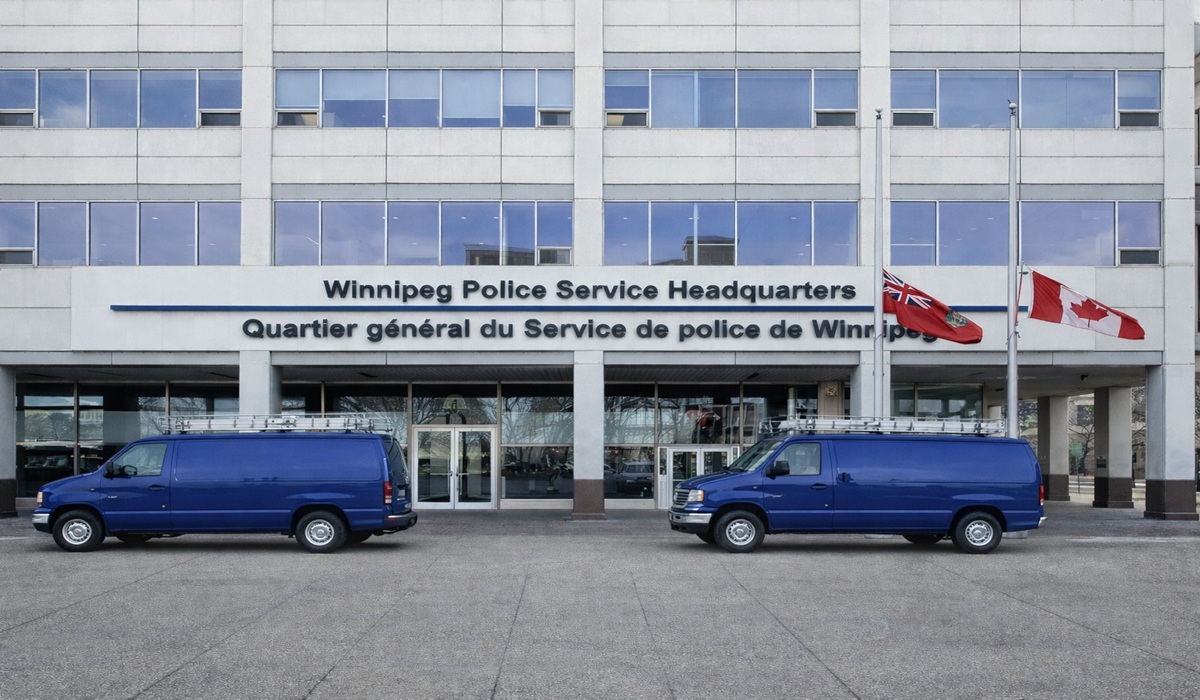
Canada is not drifting through a routine political season. It is navigating a period of sustained pressure that is testing public patience and political leadership at every level of government. Affordability has moved from a campaign talking point to a daily source of anxiety. Grocery bills remain elevated. Mortgage renewals are hitting households with higher rates than many families have ever carried. Renters in cities from Vancouver to Toronto are competing in markets where vacancy rates remain painfully tight, and in Winnipeg the strain is visible in food bank usage and rising demand for affordable housing.
Housing has become the defining policy battlefield. The federal government has accelerated funding through housing accelerators and pushed municipalities to reform zoning rules to allow denser builds. Critics argue that supply targets remain behind demand, especially with continued immigration growth intended to address labour shortages. Municipal leaders counter that infrastructure funding has not kept pace with population growth, leaving transit, water systems, and community services under pressure. The debate is no longer theoretical. It is about whether a young family can realistically purchase a first home within a decade.
Healthcare remains another flashpoint. Provincial systems continue to face staffing shortages, emergency room closures in rural communities, and long surgical backlogs. Federal health transfers have increased, yet provinces argue that long-term funding formulas still do not reflect demographic realities. The result is a public that sees more announcements than measurable improvement. Confidence in institutional capacity has softened, even as frontline workers continue to carry the burden.
Energy policy adds another layer of division. Oil-producing provinces are pushing for regulatory certainty and faster project approvals, arguing that global demand remains strong and that Canada should not handicap its own competitiveness. Others emphasize aggressive emissions targets and green transition investments. The tension is not merely ideological. It affects jobs, provincial revenues, and the cost of living. Heating bills in winter are not abstract numbers on a climate chart.
Immigration policy, long a pillar of national identity and economic planning, is also under recalibration. The country continues to welcome newcomers in significant numbers, yet housing shortages and stretched services have triggered calls for adjustments in intake levels. Business leaders warn against abrupt slowdowns that could deepen labour gaps. Communities, meanwhile, are asking how quickly infrastructure can expand without fraying social cohesion.
Layered over all of this is a broader economic recalculation. Trade diversification efforts are intensifying as global tensions reshape supply chains. Arctic sovereignty discussions have sharpened amid increased geopolitical interest in northern routes. Defence spending conversations are becoming more prominent as allies raise expectations. These issues intersect with domestic concerns because they compete for fiscal space in already tight budgets.
Public mood reflects a mixture of frustration and guarded hope. Canadians are not disengaged. Town halls are active, social discourse is loud, and younger voters are demanding structural reforms rather than incremental adjustments. There is a growing insistence on measurable outcomes rather than promises.
The crossroads facing the country is not symbolic. It is material. It will determine whether affordability stabilizes, whether housing supply catches demand, and whether trust in public institutions strengthens or erodes further. The coming months will likely shape the political landscape for years, not because of rhetoric, but because of whether daily life becomes tangibly easier for ordinary Canadians.
About The Author