Canada Unveils $3.5 Billion Push to Accelerate Critical Minerals and Strengthen Domestic Supply Chains
- Kingston Bailey
- Canada
- March 3, 2026
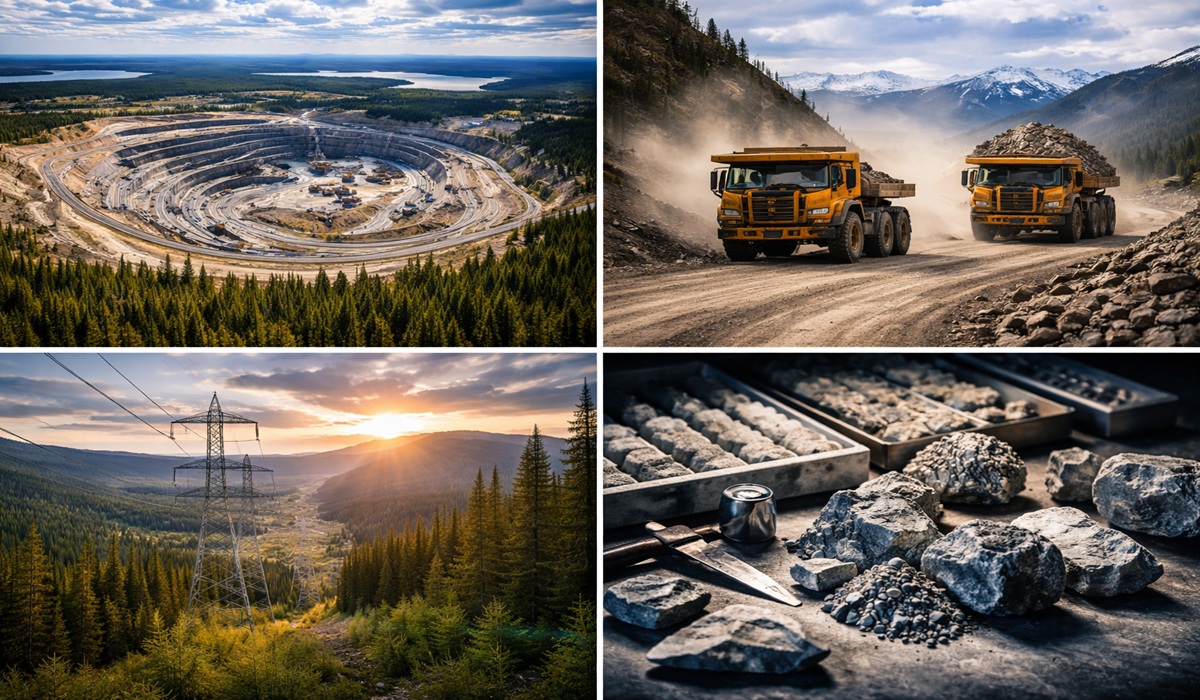
Ottawa is moving decisively to expand the country’s critical minerals sector, unveiling a suite of major funding initiatives and policy tools aimed at accelerating mine development, strengthening domestic supply chains and reinforcing long-term economic security.
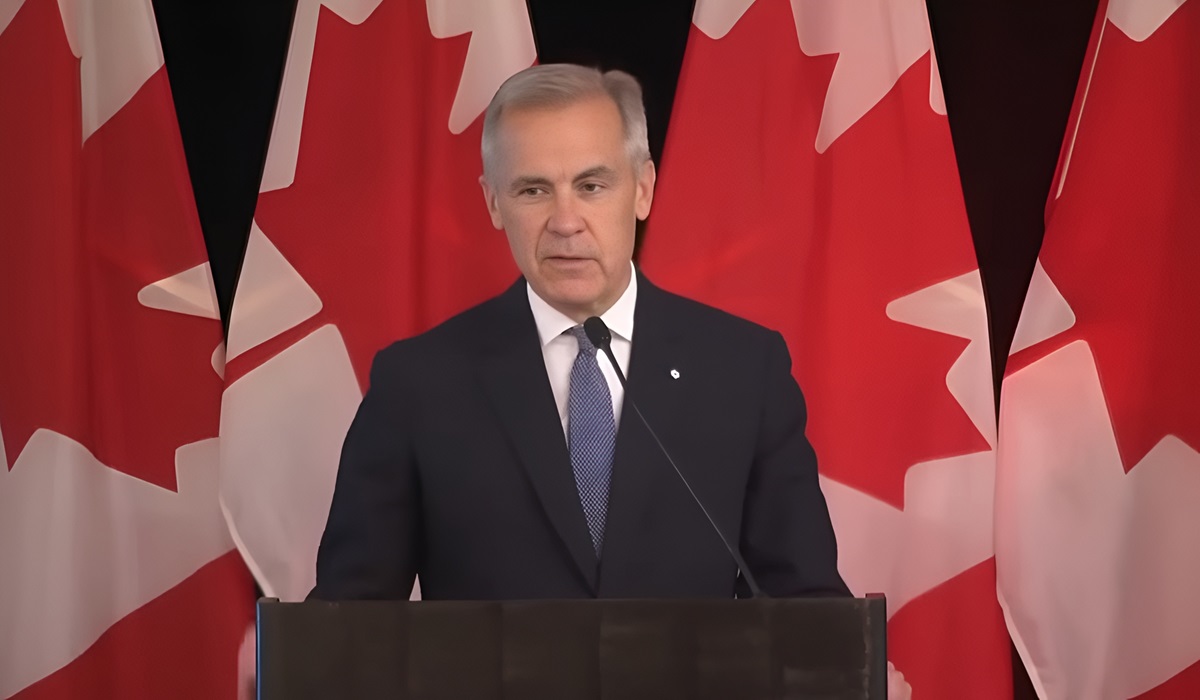
Natural Resources Minister Tim Hodgson announced measures designed to unlock more than $434 million in project capital across critical mineral developments spanning eight provinces. The announcement builds on momentum from the Critical Minerals Infrastructure Fund and signals a broader strategy to move projects from discovery to production with greater speed, while maintaining environmental oversight and Indigenous consultation standards.
At the centre of the new package is the First and Last Mile Fund, backed by $1.5 billion in federal funding. The program is designed to close infrastructure gaps that often delay mining developments, particularly in northern and remote regions. It will support construction of mine access roads, transmission lines and transportation links, as well as infrastructure that enables midstream processing and more efficient routes to market.
Federal officials say the goal is straightforward: ensure mineral deposits can be developed responsibly while connecting mine sites to processing facilities and export corridors in a more coordinated way. Because many deposits and enabling infrastructure projects are located on Indigenous territories, the fund includes dedicated resources to support Indigenous leadership, engagement and participation throughout the mining value chain.
In addition, the government confirmed that the $2-billion Critical Minerals Sovereign Fund will officially launch this spring. The new fund, described as a first-of-its-kind federal vehicle, will make strategic investments to help projects reach Final Investment Decision faster. It will have the flexibility to deploy equity investments, loan guarantees and supply agreements to strengthen and diversify domestic production.
The Sovereign Fund is expected to play a catalytic role by de-risking large-scale projects and attracting additional private capital. With global competition intensifying for minerals essential to clean energy technologies, advanced manufacturing and defence systems, federal officials argue that building complete domestic value chains is no longer optional — it is strategic.
To complement these financial tools, the government also introduced a Mine Permit Navigator, an interactive online platform designed to help proponents navigate federal approvals. While environmental review processes and Indigenous consultation frameworks are recognized as rigorous and transparent, industry stakeholders have long pointed to regulatory complexity as a barrier to timely investment.
The new tool provides a clear roadmap of required permits and approvals, supporting a “One Project, One Review” approach and a two-year target for approval timelines. The objective is to improve predictability for investors without weakening environmental protections or consultation obligations.
Recent steps also include the launch of a continuous Expression of Interest under the Critical Minerals Research Development Demonstration Program and the Global Partnerships Initiative to identify shovel-ready projects capable of advancing quickly with targeted support.
Officials have also issued a Digital Credentials Request for Information exploring the feasibility of a “Mined in Canada” digital credential. The proposed credential would provide proof of origin tied directly to mine sites and provinces or territories, offering greater transparency to global buyers and reinforcing the country’s reputation for responsibly sourced materials.
The broader strategy aligns with the recently released Defence Industrial Strategy, a long-term plan to strengthen the national defence industrial base. The strategy includes measures to accelerate critical mineral projects and develop secure supply chains aligned with allied needs. It also enables the federal government to stockpile critical and dual-use minerals under existing legislative authorities to ensure reliable access during periods of heightened demand or global disruption.
Since the launch of the Critical Minerals Strategy in 2022, measurable gains have followed. Between 2022 and 2024, domestic output increased by more than 10 percent across nine key minerals: aluminum, graphite, lithium, magnesium (magnesite), molybdenum, niobium, platinum group metals, scandium and uranium. These materials are central to battery production, renewable energy systems, aerospace applications, advanced electronics and defence technologies.
In announcing the latest measures, Minister Hodgson emphasized that the vision extends beyond extraction. “We are not just extracting rocks — we are purposefully building and onshoring full, domestic value chains that create good jobs, strengthen our economic and national security, and support rural, remote and northern communities,” he said.
The mining sector already plays a substantial role in the national economy. In 2024, minerals and metals operations directly employed approximately 438,000 people and supported an additional 286,000 jobs indirectly, for a total of 724,000 nationwide. Average annual total compensation in the industry reached $146,213, nearly double the all-industry average of $78,098.
Strong environmental safeguards, transparent regulatory systems, low-carbon electricity grids and established Indigenous partnerships remain competitive advantages that attract ESG-focused investors seeking secure and responsibly produced materials.
Taken together, the new funds, permitting reforms and strategic investment vehicles reflect a coordinated effort to convert resource endowment into industrial strength. As global demand for critical minerals accelerates, federal officials are positioning the country to move projects forward with greater certainty, deeper partnerships and stronger domestic value creation — turning geological potential into long-term economic resilience.
About The Author